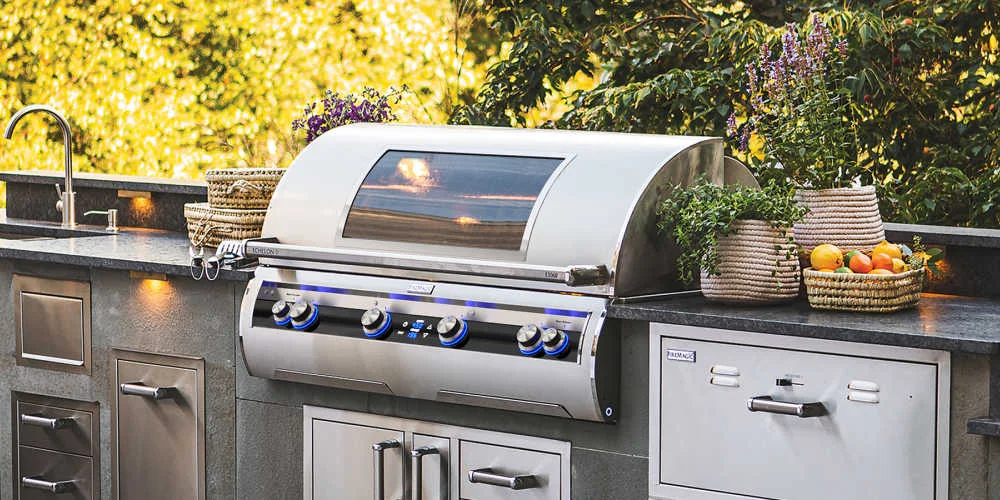
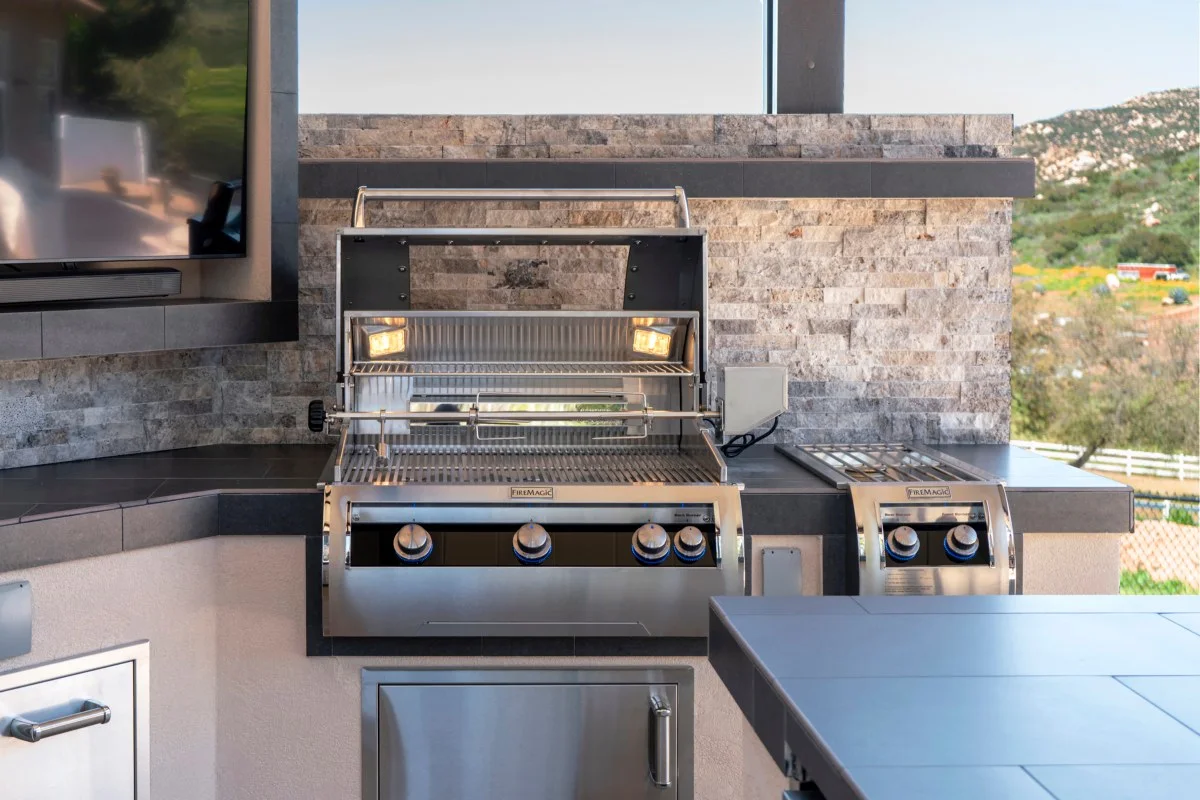
In spring, clear spider webs from the burners, do a soapy water leak test and check the igniters. In summer, empty the grease tray monthly and brush the grates every cook. In fall, deep clean and replace worn parts. In winter, keep the grill dry, covered and the gas shut off, or keep up monthly cleanings if you grill year round.
Key points
- Spring: venturi and burner check, leak test, igniter test, hose inspection.
- Summer: grease tray every few weeks, grate care every cook.
- Fall: full deep clean and parts replacement before the grill sits.
- Winter: dry, covered, gas off, and the propane tank stored outdoors.
- Have a pro inspect gas parts once a year on built-in grills.
Most grill problems we fix on service calls could have been caught early with a quick check at the right time of year. This checklist is the same one our techs use in their heads, broken into seasons. In California, Arizona and Utah many people grill year round, so adjust it to your climate. Utah winters are hard on grills; Phoenix summers are hard on covers, knobs and anything plastic.
Every time you cook
- Open the lid before lighting.
- Preheat 10 to 15 minutes, then brush the grates.
- Oil the grates lightly.
- After cooking, shut off the burners and the gas at the tank or supply valve.
- Close the lid once the grill cools.
Need the part? Pro Grill can find it
Send us your brand, model and the part you need. We source OEM parts, including ones that aren't listed in our online store.
Ask Pro Grill for a partWant a pro to handle it?
Most companies in our network are dealers or have dealer accounts, so they can usually bring the right part and install it in one visit.
Spring: startup checklist
Spring is when spiders, wasps and mice have had months to move in.
- Pull the grates and heat plates. Look for nests, webs and droppings.
- Remove the burners and run a venturi brush through each tube. Webs in the tubes are a common cause of yellow flames and flashback at the knobs.
- Brush the burner ports across, not along, the burner.
- Inspect the gas hose for cracks, stiffness or chew marks. Replace a damaged hose and regulator rather than taping it. See regulator and hose prices.
- Do a leak test: with the burners off, open the gas supply, brush soapy water on the hose, regulator and fittings you can reach, and look for growing bubbles. If you see bubbles, shut off the gas and tighten or replace the part. If you smell gas strongly, shut off the supply, keep ignition sources away, and call your gas utility or 911 from a safe distance.
- Check the propane tank for dents, rust and its date stamp. Tanks need requalification 12 years from the manufacture date, and refill stations will turn away an out-of-date tank.
- Test every igniter. A weak or missing spark usually means a dead battery, a dirty electrode or a loose wire. See igniter troubleshooting.
- Light each burner and check the flame: blue, even, and quiet.
- Test the rotisserie motor, grill lights and any infrared burner.
- Clean and polish the exterior. See stainless cleaning tips.

Summer: peak season upkeep
- Empty and scrape the grease tray every 2 to 4 weeks, more often if you cook fatty food.
- Scrape the heat plates or flame tamers monthly.
- Keep the area around the grill clear. Built-in grills need their vents open, and freestanding grills need clearance from siding and railings per the manual.
- Watch for flare-ups that get worse over time. That usually means grease is building up. Our flare-up guide explains what to do.
- In hot desert climates, use a cover that resists UV, and check knobs and plastic parts for cracking.
- Check the cooking temperature. A grill that suddenly cannot get hot may have a regulator in bypass mode or a blocked burner. See why a grill won't get hot.
Fall: the deep clean
Do this after your last heavy cooking period, so grease and moisture do not sit on the parts all winter.
- Deep clean the firebox, burners, heat plates and grease tray. Our deep clean guide has the steps.
- Inspect burners for holes, split seams and rusted-shut ports.
- Inspect heat plates and briquette trays for rust-through.
- Check the grates. Chipped porcelain or burned-through bars mean it is time to replace them; see grill grate prices.
- Make a list of worn parts with the model and serial number from the rating plate, and order them now so the grill is ready in spring.
- Lightly oil cast iron grates and store them indoors if the grill will sit unused.
Winter: storage or year-round care
If you stop grilling:
- Shut off the gas. For propane, disconnect the tank and leave it outside, upright and away from the house. Never store a propane tank indoors or in a garage.
- Leave the grill clean and dry, then cover it with a breathable cover.
- Remove batteries from igniters and lights to prevent corrosion.
- In snow country, brush snow off the cover so it does not collapse or trap water.
- For a full outdoor kitchen with water lines, sinks and refrigerators, see how to winterize an outdoor kitchen.
If you grill all winter:
- Keep the monthly grease tray and grate routine.
- Allow extra preheat time in the cold.
- Keep snow and ice away from the regulator vent and burner air openings.
- Uncover the grill to dry after wet weather.
Once a year: professional inspection
Even if you do most of the cleaning yourself, have a pro look at a built-in grill once a year. A tech checks the gas valves, regulator, manifold and connections, which homeowners should not take apart, and can spot parts that are about to fail. They can also adjust air shutters if flames are off. Many companies in our network are dealers or have dealer accounts and can usually get the right part and install it the same visit. Book a grill inspection or look at typical cleaning costs.
Keeping track of parts
Write down your grill's model and serial number and keep it with this list. If something wears out, ask Pro Grill to find the part, including parts not listed in the online store. For brands Pro Grill carries, you can shop directly, like Blaze parts or Summerset parts. If you are not sure where the rating plate is, see how to find your grill model number.
Frequently asked questions
What maintenance does a gas grill need?
Grate brushing every cook, grease tray cleaning monthly, a spring burner and leak check, and a full deep clean once or twice a year. Built-in grills should get a professional inspection yearly.
How do I check my grill for gas leaks?
With the burners off and gas on, brush soapy water on the hose, regulator and fittings. Growing bubbles mean a leak. Shut off the gas and fix or replace the part before using the grill.
Should I store my propane tank inside in winter?
No. Keep propane tanks outdoors, upright, in a ventilated spot away from the house. Never store them in a garage, basement or shed.
How long does a gas grill last with good maintenance?
Cheap freestanding grills often last 5 to 8 years. Quality built-in stainless grills commonly last 15 years or more with regular cleaning and replacement of burners and heat plates.
Do I need to winterize my grill in California or Arizona?
Usually not in the same way as cold climates, but keep it clean, covered and dry, and empty the grease tray before any long period of no use.