
Power Out? Never Heat Your Home With a Grill or Fire Pit
A grill, fire pit or patio heater is built for open air. Used inside, or under a roof, it can fill a home with carbon monoxide. Here is what to do instead when the power is out and the house is cold.
Short answer: do not heat a home with a grill, fire pit or patio heater. That includes a gas grill, a charcoal grill, a smoker, a propane patio heater and a portable fire pit. Each one burns fuel and gives off carbon monoxide (CO), a gas you cannot see or smell. Indoors, in a garage, or on a covered porch, it builds up faster than most people expect. Stay warm with layers, one small room and a safe place to go. Call 911 if anyone feels sick.
The news site 828 News Now ran a story on this on November 9, 2026: No power, no heat? How to stay warm safely. It is worth reading alongside this. Below is the grill tech's side of it: why these outdoor appliances are the wrong tool, and what to do instead.
Why a grill is not a backup heater
A grill is designed to throw heat and exhaust straight up into open air. Nothing about it is built to vent exhaust out of a room. Whether it burns charcoal or propane, a grill makes CO as a normal part of burning fuel. Outside, the gas blows away. Inside, it stays in the room with you.
Here is what makes it dangerous:
- CO has no smell and no color. You will not notice it the way you notice smoke.
- It hurts you slowly. Early signs are headache, dizziness, nausea and feeling tired or confused. In a cold house under blankets, that can feel like a bad night's sleep or the flu.
- Sleeping people are at the most risk. A person who is asleep may never wake up to notice the symptoms.
- There are no controls for indoor use. A grill has no flue, no draft system and no safety shutoff for poor air. An indoor heater listed for indoor use has those protections.
A grill also puts out far more heat than a small room can handle at the grate. Add grease, a flare-up or a dropped coal, and fire becomes a second risk on top of CO.
Garages, porches and open doors do not fix it
This is where people get hurt, because it feels like a safe compromise. It is not.
- Garage: Opening the big door does not clear the gas reliably. CO drifts into the house through the door to the house, the walls and the ducts. Do not run a grill, a generator or a car in an attached garage.
- Covered porch or patio: A roof, a wall or a screen keeps exhaust trapped near the house. It can seep in through doors, windows and vents.
- Cracked window or door: A small gap does not move enough air to keep up with a burning fuel source.
- Tent or enclosure: Treat it like a closed room. Never use a grill inside one.
Patio heaters and fire pits follow the same rule. Propane patio heaters are meant for open-air use. Fire pits burn wood or gas and make CO the same way a grill does. Moving one under a patio cover, into a garage, or just inside the slider does not make it a house heater.
If you want to cook on the grill during an outage
Cooking outside is different from heating. If the stove is dead, a grill can make a hot meal, as long as it stays outdoors.
- Set it up in the open, well away from the house, the garage, eaves, overhangs, fences and anything that burns. Ten feet is a common minimum.
- Never move it onto a covered porch or under a roof, even in rain or wind.
- Keep kids and pets back from it.
- Do not leave it lit and unattended.
- Turn the burners and the tank valve off when you are done. Let charcoal burn out fully and handle the ashes in a metal container, outside, away from the house.
Keep propane tanks outdoors, upright and away from any ignition source. More on that in how to store a propane tank for winter. For grill fire basics, see Grilling Safety: Keep Your BBQ Fun and Fire-Free.
Safer ways to stay warm
Most of staying warm in an outage is keeping the heat you already have and using your body heat well.
- Pick one room. A small interior room with few windows holds heat best. Close the doors to the rest of the house.
- Dress in layers. Wear a hat, socks and dry clothes. Take off anything damp.
- Block drafts. Roll a towel against the bottom of the door. Hang blankets over windows at night.
- Use bedding. Sleeping bags and extra blankets rated for cold weather work well. Stay together and share body heat.
- Eat and drink warm. Food and warm drinks help your body make heat. Skip alcohol.
- Move around a bit. Light activity warms you, but do not sweat through your clothes.
- Go somewhere warm. A relative's home, a hotel, or a community warming center beats any workaround. In many areas, calling 211 can point you to local shelters.
Heat sources that can be used indoors
Some equipment is made to be used inside. Check the label and the manual before you rely on it:
- A wood fireplace with a working chimney, with the damper fully open and the flue clear of creosote and debris.
- Some gas fireplaces and stoves are designed to run without electricity. Others need power for a fan or igniter. Read the manual to find out which yours is.
- Portable heaters that are listed for indoor use, used exactly as the maker says.
If you are not sure a fireplace or gas log set is safe to use, do not light it. Get it checked first. We work on fireplaces and fire pits, and you can find an insured pro near you.
Generators and cars carry the same CO risk
A portable generator is another common source of CO poisoning in outages. Run it outside only, well away from the house, doors, windows and vents, and never in the garage. Do not run a car in an attached garage to warm up, even with the door open.
Put battery-powered or battery-backup CO alarms on every level and near sleeping areas, and test them before the next storm. Keep spare batteries on hand.
When to call the fire department or 911
Call 911 right away, from outside, if:
- Anyone has a headache, dizziness, nausea, confusion or weakness after a fuel-burning device was used in or near the home.
- A CO alarm sounds. Get everyone outside into fresh air first. Do not go back in to look for the cause.
- You see or smell smoke, or a grill, heater or fire pit has set something on fire.
- Someone is unconscious or hard to wake.
If you smell gas, do not hunt for the leak. Turn off the gas if you can do it safely, leave the house, keep lights and switches alone, and call the fire department or your gas utility from outside. If it is a propane grill, shut the tank valve only if you can reach it without risk.
If someone was burned by a grill or a flare-up, our guide to what to do in the first minutes covers the first steps.
After the power is back: check the grill
If you cooked on your grill through the outage, give it a once-over before the next cookout. Check the hose and connections for damage, look for grease buildup, and make sure the burners light evenly. If something is cracked, burned out or worn, you can find replacement parts for your model on our parts diagrams or in the Pro Grill parts store. We also sell parts for Lynx grills, though we do not sell Lynx grills themselves.
The takeaway is simple: grills, fire pits and patio heaters stay outside, and a cold house is a problem you solve with layers, a smaller space or somewhere else to be. Gas smell, CO symptoms or fire all mean you call for help.
FAQ
Can I use a propane patio heater inside to heat my house?
No. Propane patio heaters are made for open-air use and give off carbon monoxide. Running one indoors, in a garage or on a covered porch can build up CO to dangerous levels.
Is it safe to use a gas grill in the garage if the door is open?
No. An open garage door does not reliably clear carbon monoxide, and the gas can drift into the house. Use a grill only outdoors, in the open, away from the house.
What are the signs of carbon monoxide poisoning?
Headache, dizziness, nausea, weakness and confusion are common early signs. Get everyone into fresh air and call 911. Sleeping people may not notice symptoms at all.
Can I cook on my grill during a power outage?
Yes, if you keep it outdoors in the open, well away from the house, garage and overhangs. Never move it onto a covered porch, and shut off the gas or let the charcoal burn out when you are done.
What should I do if I smell gas during an outage?
Leave the house, do not touch switches or lights, and call the fire department or your gas utility from outside. If you can reach a grill's tank valve safely, turn it off, but do not take risks to do it.
More seasonal
See all →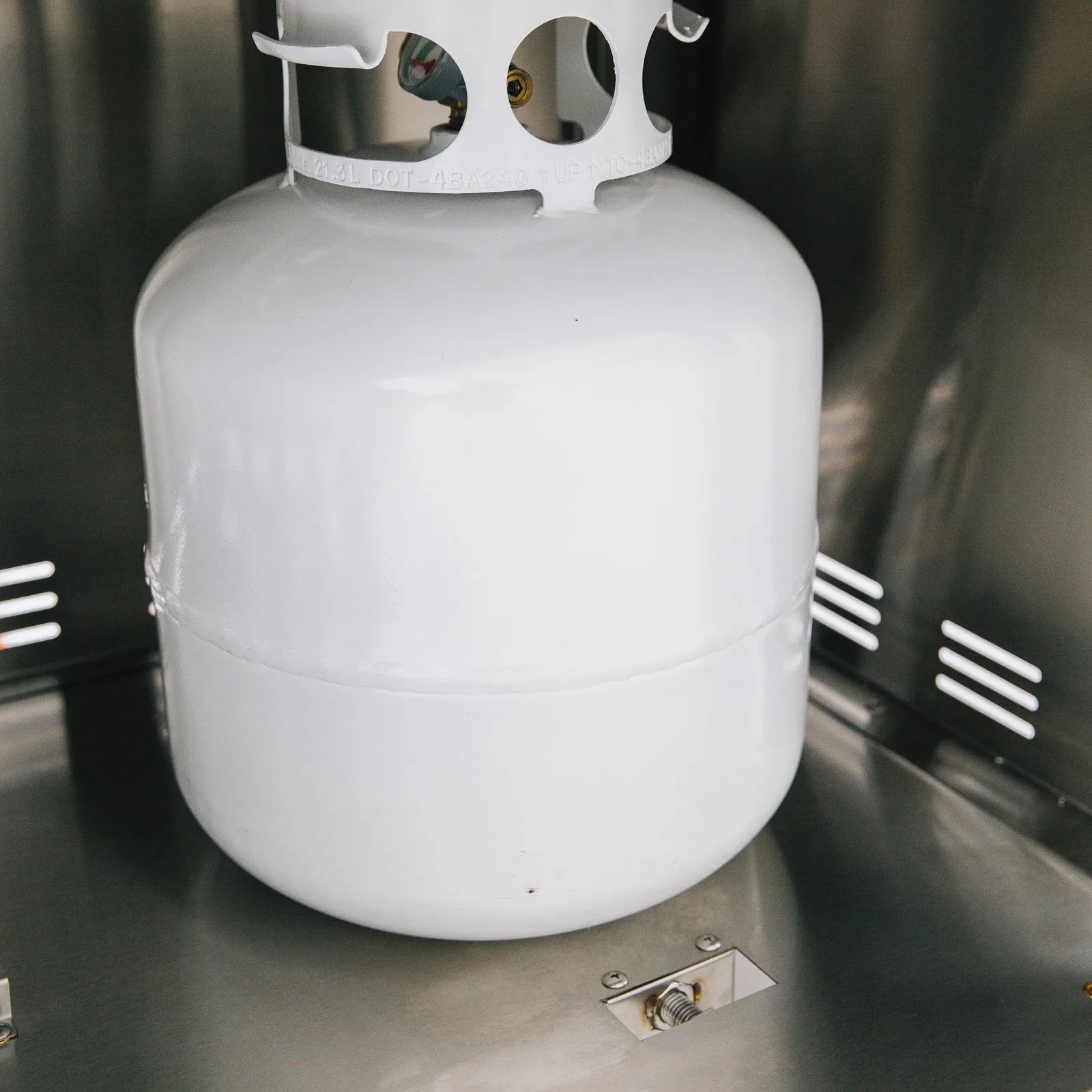
Store a Propane Tank Full or Empty for Winter? A Tech Answers
The question most people ask is full or empty. The question that matters more is where the tank sits and what shape it's in before you put the cover …
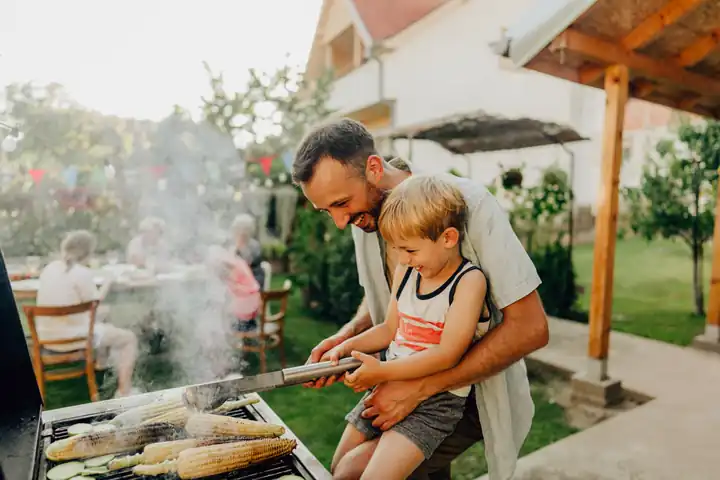
End-of-Summer Grill Cleaning: Get Your BBQ Ready for Cooler Weather
What to clean on your grill before cooler weather, how to get rid of summer grease and carbon buildup, and when it makes sense to have a pro handle i…
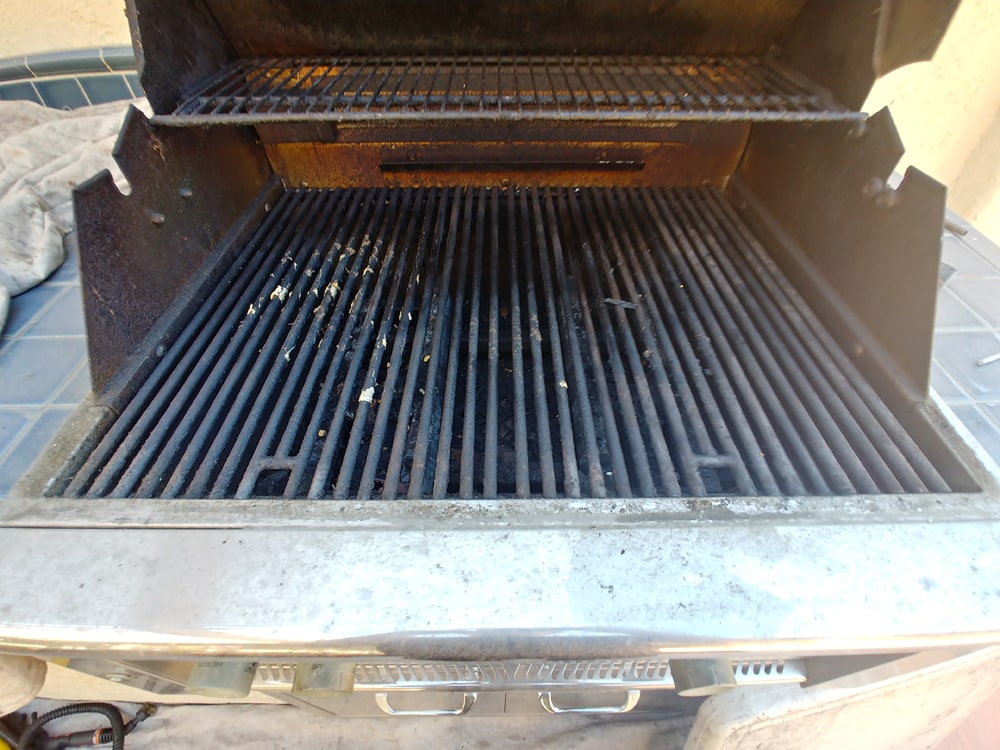
Why Have a BBQ Cleaning Before Winter?
Cleaning your grill before winter clears out old grease and food residue, helps keep pests away, and shows you what needs repair before the next cook…