
Neglected Grill: Clean, Repair or Replace? A Tech's Triage
Most greasy, rusty, spider-filled grills are not done. Here is how to tell what a cleaning can fix, what needs a part, and what means it's time to replace.
Short answer: yes, a very dirty, neglected or old grill can usually be cleaned and repaired. Grease, carbon, surface rust, spider webs and rodent mess are cleaning jobs. Burners, igniters, grates, flame tamers and briquette trays are replaceable parts. The grill is only a loss when the firebox has burned through, the frame is rotted structurally, or a cast piece has cracked. A cleaning won't fix a part that is worn out, but it will show you which parts those are.
Is my neglected grill still worth saving?
We get this call a lot. The homeowner says the grill sat for two years, or came with the house, and it looks hopeless. Looks are a poor guide. A grill caked in black grease can have a sound firebox underneath, and a clean-looking grill can have a firebox with holes in it.
The question is not how dirty it is. The question is whether the metal that holds the fire is still solid. Everything else can be cleaned or swapped.
Before you touch it: safety check
- Turn the gas off at the tank or the supply valve. If you smell gas, leave the valve off, stay away from ignition sources and call a pro.
- Let the grill be fully cold.
- Look for wasps, spiders and rodent nests before you reach into the cabinet or firebox. Wear gloves and a mask for rodent droppings, and wet the mess down instead of sweeping it dry.
- Grease buildup is fuel. If there is a thick layer in the firebox or drip tray, don't fire the grill up to burn it off. The risks are covered in What Happens If You Don't Clean Your Grill?
What cleaning can fix
These look scary but are almost always cleanable:
- Grease and carbon. Thick, flaking carbon on the hood and firebox walls comes off with scraping, degreasing and steam. It looks like damage, but it is not metal loss.
- Surface rust. Orange film on grates, flame tamers, racks and the firebox floor can be cleaned off. Test it by scraping with a putty knife or screwdriver tip. If you get bright metal underneath, it was surface rust. If the metal flakes, thins or crumbles, it is past that.
- Spiders and insect nests. Spiders love burner tubes and venturis, the air intake openings at the valve end. Webs and nests block gas flow and cause yellow flames, weak heat or flashback. Clearing them is a cleaning job.
- Rodent mess. Nesting material, droppings and chewed insulation can be removed and the area sanitized. Chewed wiring or a chewed ignition module is a repair, not a cleaning.
What a Pro Grill deep clean covers
On a heavily neglected grill, our tech works through these areas:
- Firebox: scraping, vacuuming, degreasing and steam cleaning to remove built-up grease and carbon from the applicable interior areas.
- Cooking grates: detailed cleaning of grease, burnt food and buildup, matched to the grate material and its condition.
- Burners: accessible burners are cleaned and debris around the burner ports is cleared, which helps support more even flames.
- Briquette trays and flavorizer bars: cleaned where they apply to your grill.
- Warming racks and other cooking surfaces: cleaned along with the rest.
We come to your home. A deep clean on a neglected grill generally takes 2 to 4 hours. The price depends on the grill's size, how much buildup there is, and how many areas need work, so we quote it for your grill rather than guess. A cleaning removes buildup. It does not guarantee a grill will look new, and it will not fix parts that need repair.
What is repairable
Once the grease is gone, parts that were hidden show their true condition. In our experience the most common failures on neglected grills are, in order, briquette trays and igniters, then burners.
- Igniters and electrodes. Grease and rust foul them, and they wear out. Igniters can run as much as $60 each. Check the Pro Grill parts store for your brand.
- Burners. Look for rust holes, enlarged or clogged ports, and cracked welds. Brand matters a lot here. A typical Lynx burner is over $500, and a ProSear burner is over $700. We sell Lynx parts, though not Lynx grills, and many owners would rather keep a grill they love running than start over.
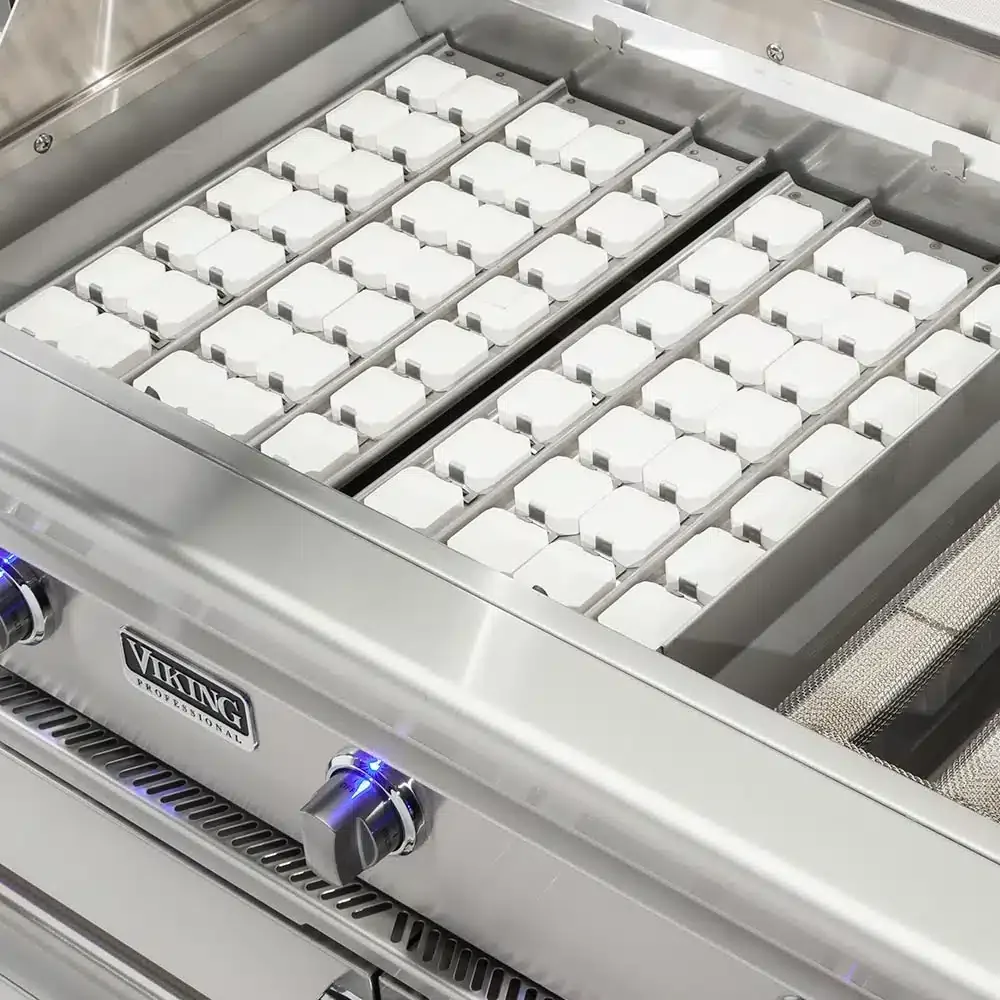
- Briquette trays, flavorizer bars, flame tamers and heat plates. These sit under the food and take the grease and heat, so they rust through first. They are meant to be replaced.
- Grates. Heavy rust or pitting can sometimes be cleaned back. Bent, thinned or broken grates are cheaper to replace than to fight. See How to Clean BBQ Grates for the material-by-material details.
Labor to install parts can run $200 to $500, depending on how complex the parts are to get to and fit. A one-minute igniter swap and a burner that needs half the grill disassembled are not the same job.
What means replacement
- Burned-through firebox. If you can see daylight through the bottom or sides, or the metal is soft and flaking around the burner area, the grill has lost the part that contains the fire. Patching it is not a repair we would stand behind.
- Structural rust. The frame, cart or support rails are rotted and the grill is no longer solid. Rust that goes through the metal doesn't come back.
- Cracked castings. A cracked cast firebox, end cap or cast burner body is not something you can weld back into a safe, sealed part.
| What you see | Category | Next step |
|---|---|---|
| Thick grease, carbon, soot | Cleanable | Deep clean |
| Orange film that scrapes to bright metal | Cleanable | Clean, then re-check |
| Spider webs in burner tubes, yellow flame | Cleanable | Clear the burners and venturis |
| Rodent nest or droppings | Cleanable | Remove, sanitize, check wiring |
| Rusted-through burner, clicking with no spark | Repairable | Replace burner or igniter |
| Rotted flame tamers or briquette trays | Repairable | Replace the parts |
| Holes in the firebox floor or walls | Replace | Replace the grill |
| Rusted frame or cracked cast piece | Replace | Replace the grill |
Where repairing stops making sense
The deciding factor is the firebox. On a high-end grill, we recommend replacing parts as long as the firebox is in good shape. A good firebox is the expensive piece, and everything inside it can be swapped. A $500 burner on a grill that cost many thousands is a reasonable fix.
On a lower-priced grill, the math flips quickly. If it needs a burner, trays, igniters and grates, and the firebox is also rusting, the parts and labor can pass what a newer grill would cost. A common rule of thumb is to stop repairing when the repair bill approaches half the cost of a comparable new grill, and to stop immediately if the firebox is compromised. For the wider decision, read Deciding to Repair or Replace Your BBQ? If you are leaning toward replacing a built-in, Cost to Replace a Built-In BBQ Grill covers pricing and how the new unit fits the island.
How to find out for sure
Our inspection visit is $199. A tech looks over the firebox, burners, igniters, gas connections and frame, and tells you which of the three categories you're in. If you do any work with us, we give 50% of the visit fee back.
Clean first, judge second. Once the grease and carbon are off, the real condition shows, and you aren't paying for parts that turn out to be fine. Call 800-860-6758 or text 888-418-4226. Check our locations page to see if we cover your area.
FAQ
Can a very dirty, neglected or old grill still be cleaned and repaired?
Usually yes. Grease, carbon, surface rust, spiders and rodent mess can be cleaned, and burners, igniters, grates and heat plates can be replaced. It is only a loss when the firebox is burned through, the frame is structurally rusted, or a cast part is cracked.
How long does a deep clean of a neglected grill take?
Generally 2 to 4 hours, done at your home. The time depends on the grill's size and how much buildup there is.
How much does it cost to have a neglected grill inspected?
A Pro Grill inspection and diagnosis visit is $199, and we give 50% back if you do any needed work with us.
When should I stop repairing a grill and replace it?
Stop when the firebox has holes or soft, flaking metal, when the frame is structurally rusted, or when a cast piece has cracked. On lower-priced grills, also stop when parts and labor approach the cost of a comparable new grill.
Is surface rust on grill grates a problem?
Surface rust that scrapes off to bright metal is a cleaning job. Deep pitting, flaking or thinned metal means the grate should be replaced.
More cleaning
See all →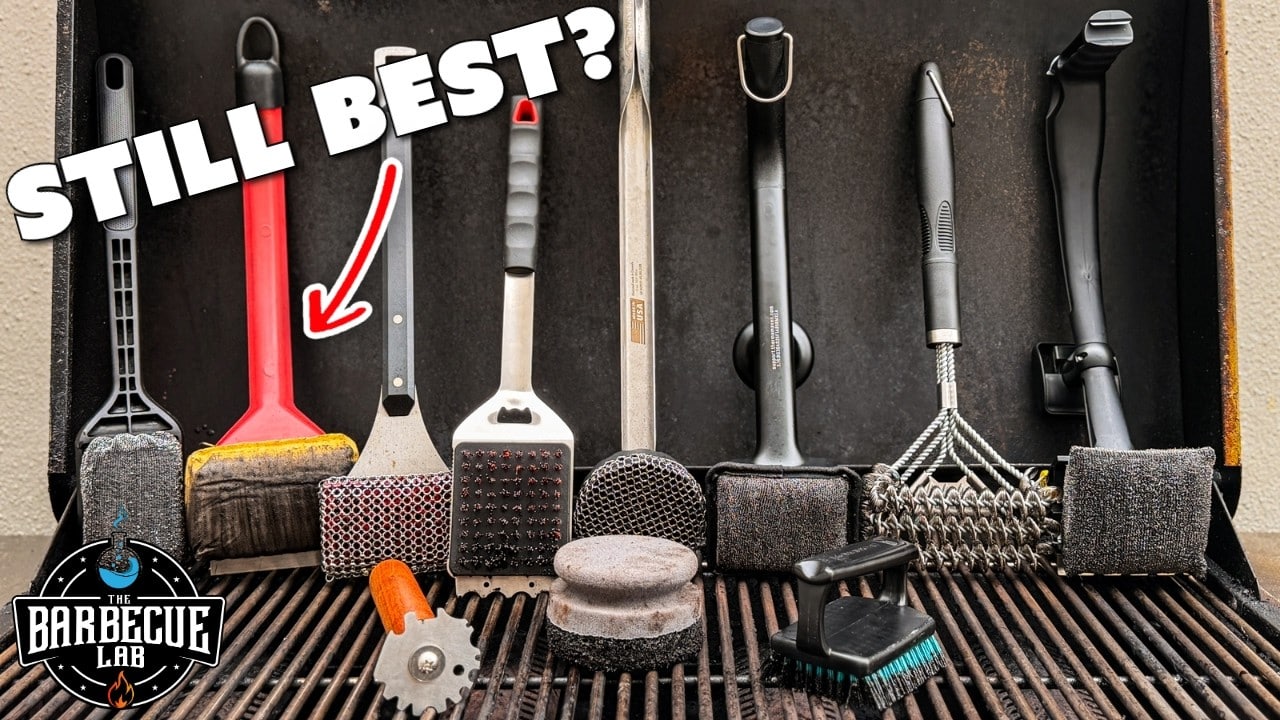
Best Grill Brushes of 2026: Expert Reviews Compared
We read the published grill brush reviews from The Barbecue Lab, Food & Wine, Serious Eats and AmazingRibs, then added what we see in the field. Here…
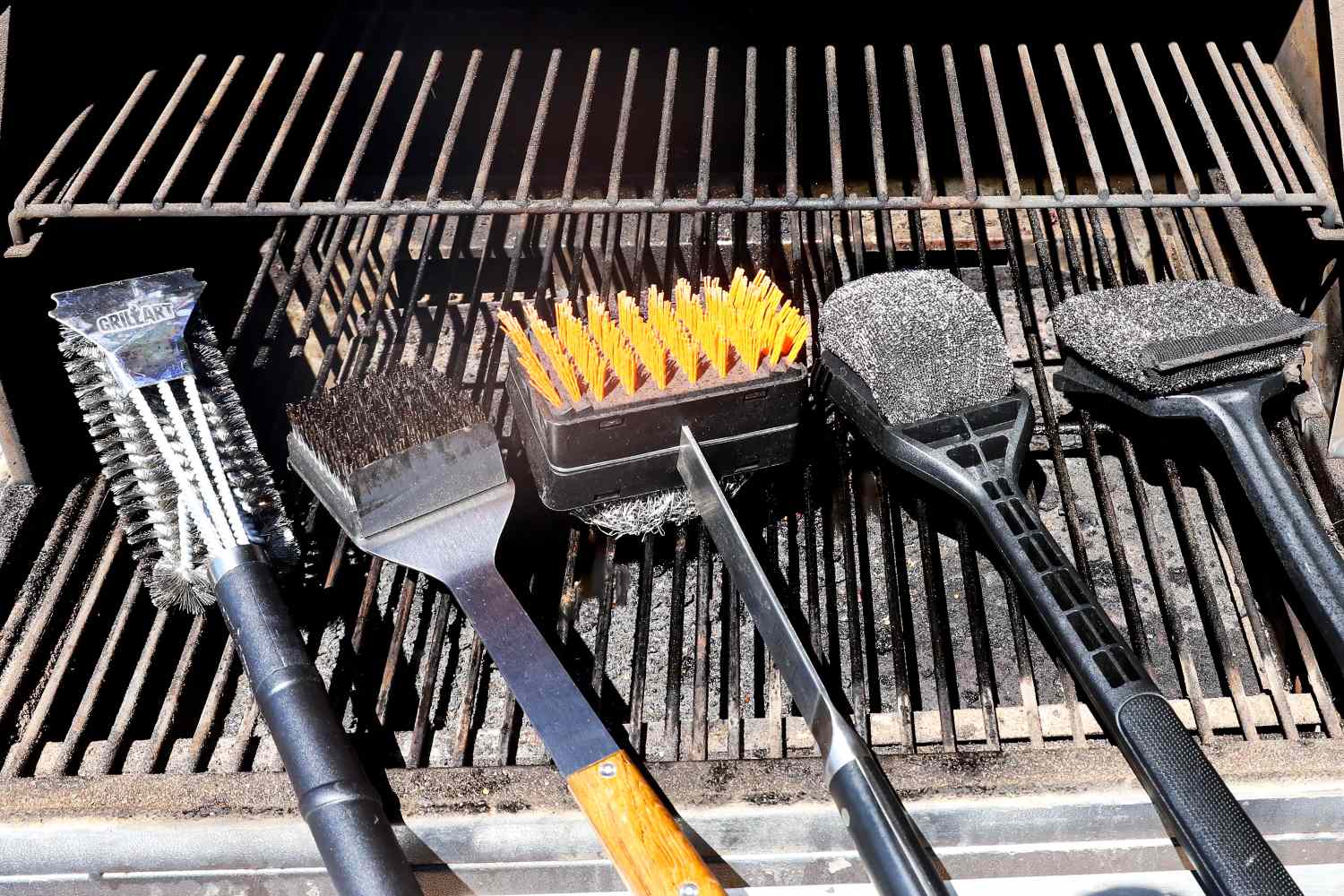
Grill Brush Safety, Cleaning Tips & Alternatives
How to pick and use a grill brush, what the wire bristle risk is, which bristle-free tools work, and how to clean your grates the right way.
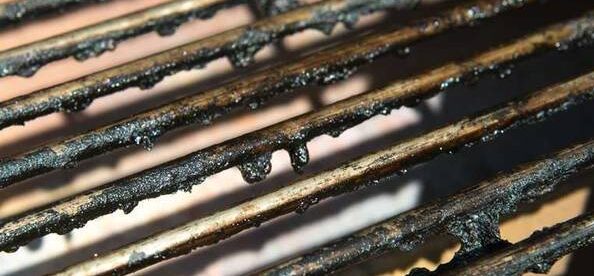
How to Clean BBQ Grates | Stainless, Cast Iron & More
How to clean stainless, cast iron and porcelain grill grates, handle heavy grease and rust, and tell when the whole grill needs a deeper cleaning.