
Better Marinade = Better For You
Sugary sauces char fast on a hot grate and add to the compounds you want to avoid. Here is what to use instead, and what sticky sauce does to your grill.

Yes, there are additional reasons to avoid high sugary marinades.
Commercially produced sweet BBQ sauces can add to the harmful compounds that form on grilled meat.
Sugar-heavy sauces and marinades char fast on a hot grate. That char sits right where HCAs (heterocyclic amines) are already forming. Sugar is one of the things that reacts to make HCAs, along with amino acids and creatine in the meat. So the safer choice is a salt-based or acid-based marinade. Teriyaki gets named a lot here, and some experts claim it can cut HCAs by up to two-thirds. Results vary, and the sugar in many bottled teriyaki sauces matters, so see the teriyaki section below.
Marinades built on vinegar and herbs are also good options. Keep the sugar out if you want to avoid HCAs.
The rest of this article covers what happens when sugar meets a hot grate, how to build a marinade that works, when to put sauce on, and what a sticky, sugary cookout does to the inside of your grill.
What HCAs and PAHs are
Two groups of compounds come up whenever people talk about grilling and health.
- HCAs (heterocyclic amines) form when muscle meat (beef, pork, poultry, fish) is cooked at high heat for a long time. Amino acids, creatine and sugars in the meat react. The hotter the surface and the darker the crust, the more HCAs you get.
- PAHs (polycyclic aromatic hydrocarbons) form when fat and juices drip onto a hot surface and burn. The smoke carries them back up and coats the food.
The National Cancer Institute explains both in its cooked meats fact sheet. It is worth a read.
For a homeowner, the takeaway is that you control a lot of this. The marinade you choose, the heat you cook at, and how clean the grill is all make a difference.
Why sugar is the problem in a marinade
Sugar burns at a lower temperature than most people expect. Honey, brown sugar, molasses, corn syrup and the fruit juices in many bottled sauces darken and char quickly over direct heat. On a grate running 450°F or more, a sweet sauce goes from glaze to black crust in a couple of minutes.
That char sits on the surface of the meat, where HCAs are already forming.
Sweet sauces also drip. Sugar and rendered fat falling onto a burner cover, flavorizer bar or lava rock make a lot of smoke and flare-ups. That smoke is where the PAHs come from.
Read the label on any bottled sauce. If sugar, high fructose corn syrup, honey or molasses is in the first few ingredients, use it as a finishing sauce, not a marinade.
What to use instead: salt, acid, herbs
Marinades built on salt, acid and herbs give you flavor without a layer of sugar to scorch. Good bases include:
- Vinegar (apple cider, red wine, white wine, or balsamic in small amounts, since it carries some sugar)
- Lemon, lime or orange juice
- Soy sauce or tamari for salt
- Plain yogurt, which works well on chicken and lamb
- Fresh herbs such as rosemary, thyme, oregano, parsley and cilantro
- Garlic, onion, mustard, black pepper and chili flakes
- Olive oil to carry flavor and keep the surface from sticking
Some studies on marinating suggest that herb-heavy and acid-based marinades can cut HCA formation. That is one reason rosemary and thyme show up so often in this advice.
We would not promise a specific number for any one recipe. The safe takeaway is the original advice: keep sugar out and you remove one of the main ingredients.
About teriyaki
Teriyaki is often named as a marinade that lowers HCAs, and some experts claim it can cut them by up to two-thirds. It is a salty, soy-based sauce, which fits the salt and acid idea.
But many bottled teriyaki sauces have a fair amount of sugar added. Check the label and pick one with sugar low on the list. Or make your own from soy sauce, garlic, ginger and rice vinegar, and skip the sweetener.
A simple marinade you can build on
For about a pound and a half of chicken thighs, steak or pork chops:
- 1/4 cup olive oil
- 1/4 cup vinegar or lemon juice
- 2 cloves garlic, minced
- 1 tablespoon chopped fresh rosemary or thyme
- 1 teaspoon salt and some black pepper
Mix it in a zip bag or shallow dish, add the meat, and keep it in the fridge.
If you want seasoning without liquid, our all-purpose dry rub is a good option. The five-ingredient marinated grilled salmon shows a short, simple marinade in action.
Marinade comparison
| Marinade type | How it behaves on the grill | Best use |
|---|---|---|
| Vinegar or citrus, oil, herbs | Little to burn, light browning | Chicken, pork, steak, vegetables |
| Soy-based with no added sugar | Salty, browns evenly | Beef, pork, mushrooms |
| Yogurt and spices | Chars lightly at the edges, watch the heat | Chicken, lamb |
| Sweet BBQ sauce, honey, brown sugar glaze | Burns fast, drips, flares up | Brush on in the last few minutes only |
How long to marinate
- Fish and shrimp: 15 to 30 minutes. Acid starts to cook the surface, and the texture turns mushy past that.
- Chicken, pork chops, steak: 30 minutes up to about 4 hours in the fridge. Very acidic marinades should stay on the short end.
- Tougher cuts such as flank or skirt: a few hours is fine. An overnight soak works with milder marinades.
Always marinate in the refrigerator, never on the counter.
Throw out any marinade that touched raw meat. If you want to use it as a sauce, boil it for several minutes first, or set aside a clean portion before the meat goes in.
If you still want a sweet sauce
Plenty of people want sticky ribs or glazed chicken, and that is fine. A few habits cut the downside:
- Cook first, sauce last. Brush sweet sauce on during the last 5 to 10 minutes, or after the meat comes off the heat.
- Use medium or indirect heat. Move the food off the burners so the sugar warms and sets instead of burning. Our article on how hot a gas grill should get explains the ranges.
- Trim the fat. Less fat dripping means less smoke and fewer flare-ups.
- Flip often. Turning meat every minute or two keeps the surface from sitting at full heat.
- Precook bigger cuts. Cooking chicken pieces most of the way on indirect heat shortens the time they spend over flame.
- Cut off the black parts. Heavily charred edges are where the compounds concentrate, so leave them on the plate.
Low, slow cooking also helps. We cover that in why low and slow grilling is better for you.
What sticky sauces do to the inside of your grill
Sweet and sticky sauces call for extra care when you clean the grill. Fat from the meat mixed with sugary drips burns on the bottom of the grill, and the smoke from that can carry PAHs back onto your food.
Here is what we see when we open up a grill that has had a lot of sweet sauce on it:
- Hard, black, sugary crust on the grates that does not brush off easily.
- Caramelized drips stuck to flavorizer bars, heat tents or briquette trays, which smoke every time you light the grill.
- A thick layer of grease and burnt sugar in the bottom of the firebox and around the drip tray.
- Grease running into the grease cup, the tray and the cabinet below on built-in grills.
- Burner ports partly blocked by drips, which causes uneven flames and hot spots.
Old residue does not stay put. It reheats each time you cook, smokes back onto your food, and feeds flare-ups.
A grease fire is a real risk, as covered in why you should clean the grease out of your grill.
What you can do between cleanings
- Turn the grill off, let it cool, and shut off the gas at the tank or supply valve.
- Scrape the grates with a good brush or scraper after each cook. See how to clean BBQ grates for stainless, cast iron and porcelain methods.
- Empty and wipe the grease tray and cup. Replace disposable liners.
- Scrape loose debris from the bottom of the firebox into the tray.
- Wipe down the outside, and the inside of the lid if it is flaking or sticky.
Running the grill on high does not solve it. That only burns off the top layer. We explain why in does setting your grill on high heat kill all the bad stuff.
If you smell gas at any point while cleaning or lighting up, turn the gas off at the tank or valve, stay away from ignition sources, and call a pro.
When to call a pro
A professional grill cleaning is the most thorough way to deal with built-up char and grease. A tech takes out the grates, burners, heat shields and trays. They clean the firebox and the areas you cannot reach from the top, and check ignition and burner condition while the grill is open.
Consider it if:
- You grill often with sugary sauces, and the firebox has a thick, hard layer of residue.
- You get frequent flare-ups, heavy smoke or a bitter taste on food.
- You have not had the grill apart in a year or more.
- You find hot spots or burners that light unevenly. See grill heating unevenly.
A cleaning removes buildup. It will not fix worn parts such as burners or igniters that need repair.
Pro Grill services Southern California and Arizona. Outside those areas, you can find an insured grill pro near you. The price of a cleaning depends on the grill's size and brand, how much buildup there is, and whether parts need replacing, so we quote it for your grill rather than guessing.
FAQ
Are all marinades with sugar bad?
No. The issue is sugar over high heat for a long time. A small amount in a marinade is far less of a concern than a thick coat of sweet sauce on meat over direct flame. Keeping sugar low and adding sweet sauce at the end is a good compromise.
Does marinating really lower HCAs?
Some research suggests certain marinades can reduce HCAs, especially herb and acid-based ones. The effect varies with the recipe, the meat and the cooking temperature. Treat marinade as one tool next to lower heat and less char.
Are vegetables a concern?
HCAs form mainly in muscle meat, so vegetables and fruit are not a big source. Grilling vegetables is a good way to fill the grill with food that does not produce them.
Can I use bottled BBQ sauce at all?
Yes, as a finishing sauce. Brush it on near the end of cooking, or serve it on the side. Avoid soaking meat in it before it goes over high heat.
How often should I have my grill cleaned?
It depends on how often you cook and what you cook. Heavy grillers who use sweet sauces and fatty cuts should have a full cleaning at least once a year, and often more. Our guide on cleaning after every use covers what to do between visits.
FAQ
Are all marinades with sugar bad?
No. The issue is sugar over high heat for a long time. A small amount in a marinade is far less of a concern than a thick coat of sweet sauce on meat over direct flame. Keeping sugar low and adding sweet sauce at the end is a good compromise.
Does marinating really lower HCAs?
Some research suggests certain marinades can reduce HCAs, especially herb and acid-based ones. The effect varies with the recipe, the meat and the cooking temperature. Treat marinade as one tool next to lower heat and less char.
Are vegetables a concern?
HCAs form mainly in muscle meat, so vegetables and fruit are not a big source. Grilling vegetables is a good way to fill the grill with food that does not produce them.
Can I use bottled BBQ sauce at all?
Yes, as a finishing sauce. Brush it on near the end of cooking, or serve it on the side. Avoid soaking meat in it before it goes over high heat.
How often should I have my grill cleaned?
It depends on how often you cook and what you cook. Heavy grillers who use sweet sauces and fatty cuts should have a full cleaning at least once a year, and often more.
More cooking
See all →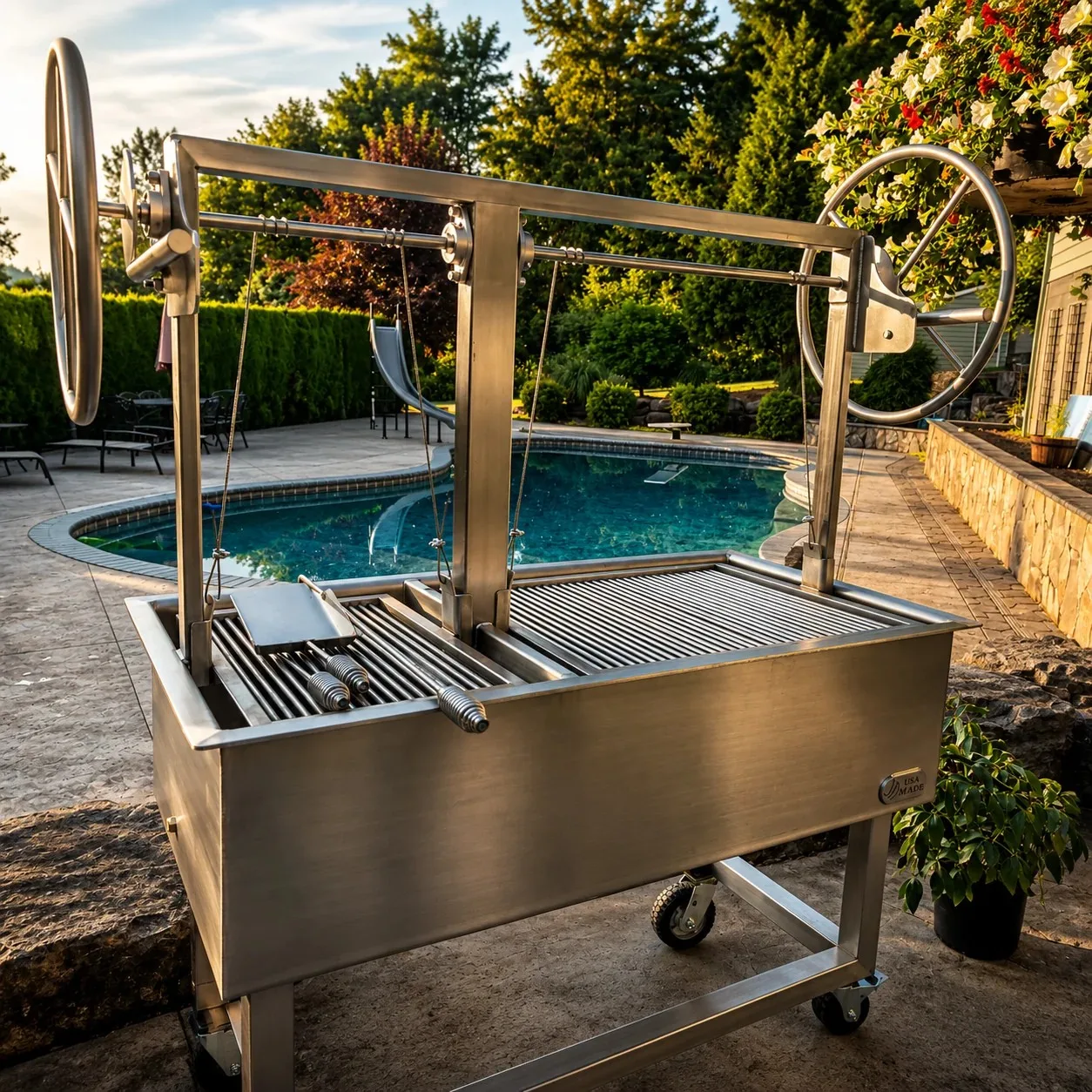
Santa Maria BBQ at Home: Grill Setup, Tri-Tip and Fire Control
Santa Maria-style BBQ comes from California's Central Coast. Here is how to set up a grill for it, time a tri-tip, and run the fire, plus what a buil…
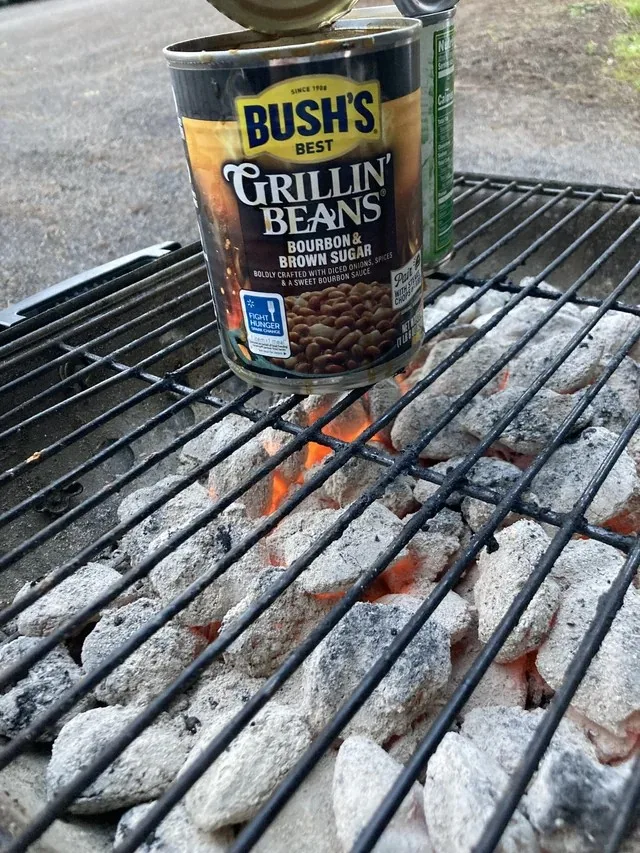
Can You Heat a Can of Beans on the Grill? What's Safe
Heating beans on the grill is fine. Heating them in the sealed can is where the danger is. Here's how to do it right and keep your burners clean.

Apple HomeView Recipes: Follow Pro Grill Recipes Hands-Free
Apple's new HomeView can turn a web recipe into step-by-step cooking with timers set for you. Here's how it works, and how our grill recipes are buil…