
How to Grill a Thick Filet Mignon on a Gas Grill
A 1.5 to 2 inch filet is lean and tender, so it cooks fast and forgives very little. Here is the heat setup, timing and pull temperature we use, from a grill tech's point of view.
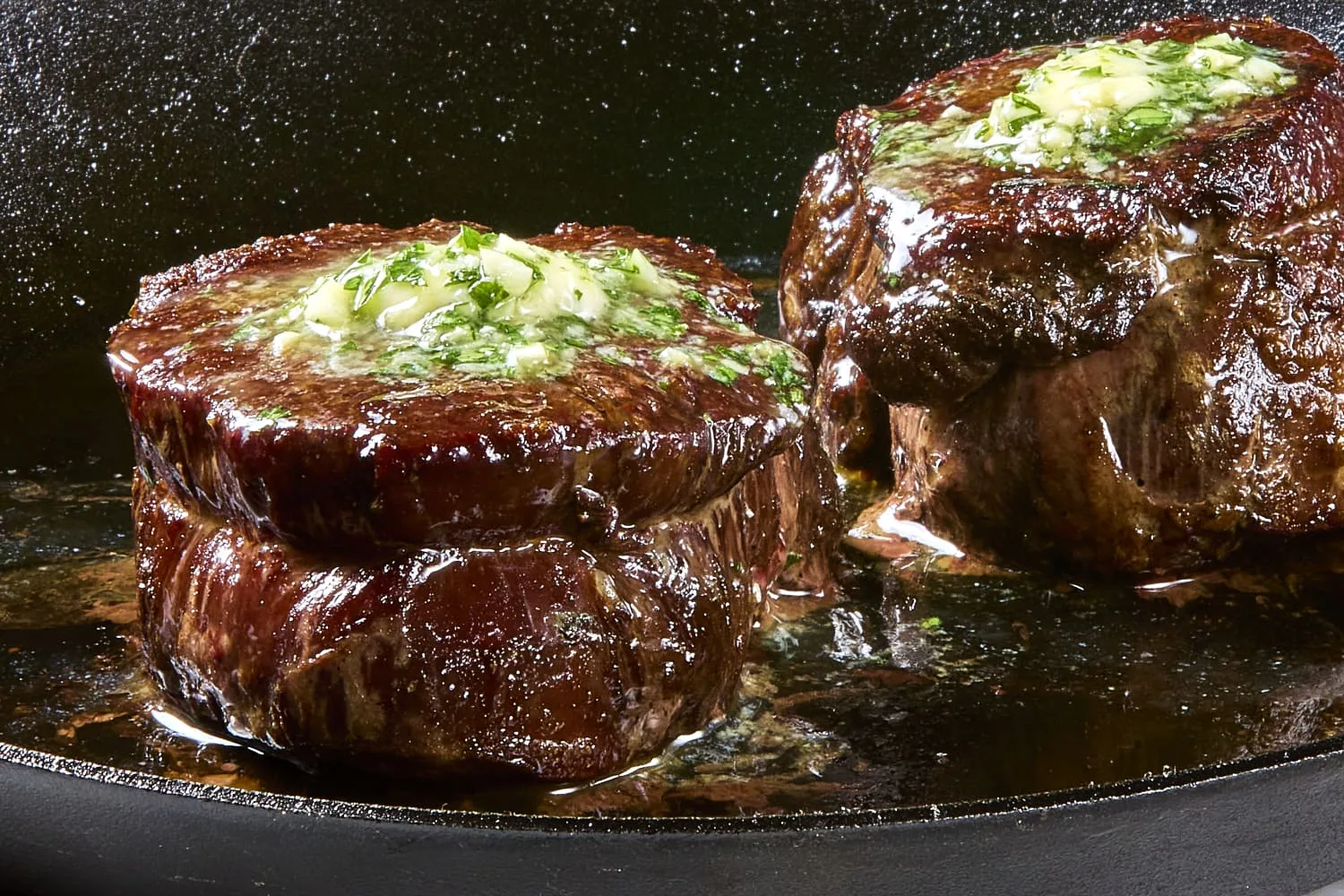
The short answer: Pick a filet 1.5 to 2 inches thick. Preheat the grill on high with the hood closed until it feels like serious heat. Sear about 4 to 6 minutes per side, moving the steak to a fresh spot on the grates once on each side and flipping only once. Pull it at 130°F for a pink center. It will coast up to about 133°F while it rests for 5 minutes.
Most ruined filets are overcooked, flipped too often, or both. A filet has very little fat to protect it, so the method is about heat, timing and leaving it alone.
Start with the right filet
Thickness matters more than anything else you buy. We like 1.5 to 2 inches. A thick filet gives the outside time to brown hard before the center gets past pink. A thin one (under about an inch) overcooks before the crust forms.
- Buy steaks cut to the same thickness so they finish together.
- Take them out of the fridge about 30 minutes before grilling. Don't leave them out much longer than that.
- Pat them completely dry with paper towels. A wet surface steams instead of searing, and it sticks.
- Season with kosher salt and cracked black pepper just before they hit the grill. Rub on a thin coat of high-heat oil, such as avocado oil. Oil the steak, not the grates.
Keep the seasoning simple. A filet is mild, and salt, pepper and a little butter at the end are plenty.
Set up the grill: two heat zones
Gas grills are good at this because you control each burner. Here is how to set it up.
- Clean the grates first. Burnt-on residue is the main reason a lean steak tears and sticks. Brush the grates while they are hot. If they are heavily caked, see how to clean BBQ grates for your grate material.
- Light all burners on high, hood closed, for 10 to 15 minutes. The grates need to soak up heat, not just the air under the lid.
- Leave one zone cooler. On a grill with three or more burners, turn the far-side burner down to low or off after preheating. On a two-burner grill, turn one burner down. This is your landing spot for flare-ups and for any steak that is browning faster than it is cooking.
- Check the heat. The lid thermometer should read well into the high 400s or 500s°F. Lid thermometers read the air near the top, not the grate, and many are off. Treat it as a rough guide. Our field test is that with the hood closed, the heat coming off the grates should feel like a hot palm held a safe distance above them. Don't touch the grates.
For general temperature ranges, see how hot a gas grill should get. For a filet, you want the hot end of that range.
Grill it: high heat, hood closed, few moves
This is the method we recommend, and it works well on 1.5 to 2 inch filets.
- Place the steaks over the hot burners, leaving space between them. Close the hood right away.
- Leave them alone for the first couple of minutes. The crust has to form before the steak will release from the grate.
- At about 2 to 3 minutes, slide the steak to a fresh spot on the hot zone, or give it a quarter turn. This is the first position change. It puts the steak on a hotter, cleaner part of the grate and avoids the cooling spot where it sat.
- At 4 to 6 minutes total on that side, flip once. Close the hood.
- Repeat on the second side: a couple of minutes, one position change, then 4 to 6 minutes total.
That is two position changes and one flip, about 10 minutes on the grill for a steak this thick. Don't press down on it with a spatula. That squeezes out juice, and a lean cut doesn't have much to lose.
If a steak is browning faster than it is cooking, or a flare-up starts, slide it to the cool zone and keep the hood closed. If you smell gas at any point, turn off the burners and the tank and call a pro before you light anything again.
Pull temperature and rest
This is where a filet is won or lost. Use a probe or an instant-read thermometer and insert it sideways into the center, not from the top.
On a hot, roughly 10 minute cook, the temperature coasts up about 3 degrees while resting. Our pull temperature for a pink center is 130°F, which rises to about 133°F. If you do it a different way, such as a longer, lower cook, the rise can be bigger, so pull a little earlier.
| Doneness | Pull at | After 5 minute rest |
|---|---|---|
| Rare | 120°F | about 123°F |
| Medium-rare | 127°F | about 130°F |
| Pink medium (our pick) | 130°F | about 133°F |
| Medium | 135°F | about 138°F |
USDA guidance for whole cuts of beef is 145°F with a 3 minute rest. Cooking below that is a personal choice.
Rest the filet on a warm plate or board for 5 minutes, loosely tented with foil if it's cold out. If you like, put a small pat of butter on top while it rests. Don't cut it open to check. For more on probe use, including wireless ones, see our guide to grilling steak with a wireless meat probe.
How to stop a filet from sticking or drying out
Sticking usually comes from four things: dirty grates, grates that weren't hot enough, a wet steak, or moving it too early. Fix those and a filet will release on its own. If you have to pry it up, give it another 30 seconds.
Drying out is almost always overcooking. A filet is lean, so a few degrees makes a visible difference. To avoid it:
- Pull at the temperature, not at the clock. Timing varies with your grill, the wind and the steak.
- Flip once. Every time you open the hood and move the steak, the grill loses heat and the cook takes longer.
- Don't skip the rest, and don't slice into it early.
- Use the cool zone as a pause button when the outside is ahead of the inside.
When the grill is the problem
People blame themselves when a steak cooks unevenly, but sometimes the grill is the cause. Here is what we see most often, from a tech's view.
- Grease and carbon buildup on the grates and in the firebox. It causes flare-ups, sticking and off flavors.
- Clogged burner ports. They give you weak or uneven flames, so one side of the steak cooks faster. If you see yellow flames, check why a gas grill flame turns yellow.
- Worn briquette trays, flavorizer bars or heat plates. These are common failures, along with igniters and burners, and they spread heat unevenly.
- A grill that never gets hot enough. See gas grill not getting hot, or grill heating unevenly for hot and cold spots.
A good cleaning and some repairs make the grill cook more evenly and reliably, but they can't fix worn-out parts, so we look at each grill and tell you what it needs. A deep clean of a neglected grill usually takes 2 to 4 hours. If you want us to look first, a professional inspection and diagnosis visit is $199, and we give 50% back if you do any needed work with us. We also sell parts for Lynx grills, though not the grills themselves, and you can find your parts by brand on our parts diagrams.
Nothing beats grilling on a clean grill. If yours is overdue, call Pro Grill at 800-860-6758 to clean it and handle any repairs it needs. Check our locations page to see if we serve your area, or find an insured grill pro anywhere in the US.
FAQ
How long do you grill a 2 inch filet mignon on a gas grill?
On high heat with the hood closed, plan on 4 to 6 minutes per side, about 10 minutes total, with one flip. Go by the thermometer, not the clock: pull at 130°F for a pink center.
What temperature should I pull a filet mignon off the grill?
For a pink center, pull it at 130°F. It rises to about 133°F during a 5 minute rest. Pull earlier for rare (about 120°F) and later for medium (about 135°F).
Should I use direct or indirect heat for filet mignon?
Use direct high heat for the sear and keep one burner on low or off as a cool zone. Move the steak there if it browns too fast or flares up.
How do I keep a filet from sticking to the grill?
Start with clean, fully preheated grates. Pat the steak dry, oil the steak instead of the grates, and don't move it until a crust has formed, about 2 minutes.
How long should a filet rest after grilling?
Rest it about 5 minutes on a warm plate or board before cutting. That lets the juices settle and finishes the last few degrees of cooking.
More cooking
See all →
Apple HomeView Recipes: Follow Pro Grill Recipes Hands-Free
Apple's new HomeView can turn a web recipe into step-by-step cooking with timers set for you. Here's how it works, and how our grill recipes are buil…
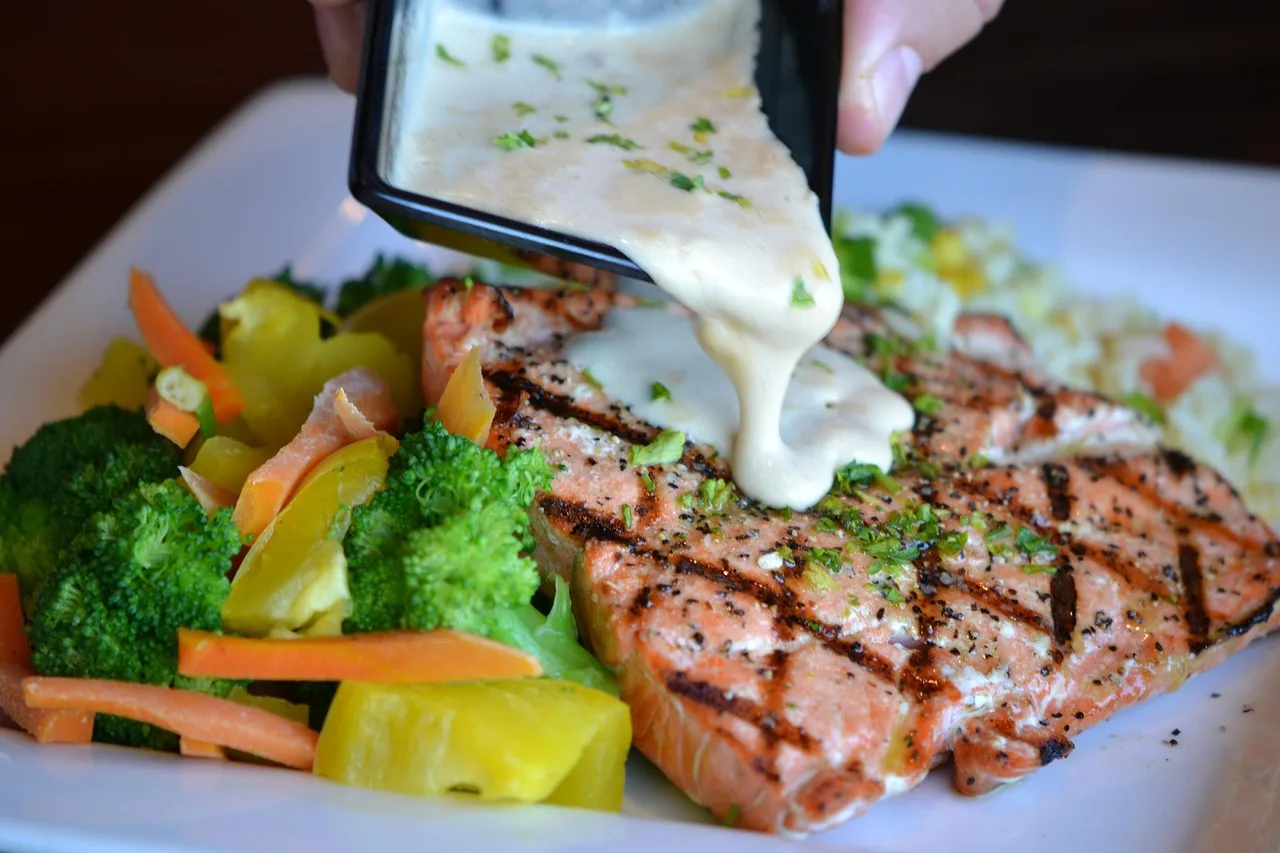
How to Grill Salmon Without It Sticking to the Grates
Salmon sticks for a few simple reasons: dirty grates, a grill that isn't hot enough, not enough oil, or flipping too soon. Here is how a grill tech s…
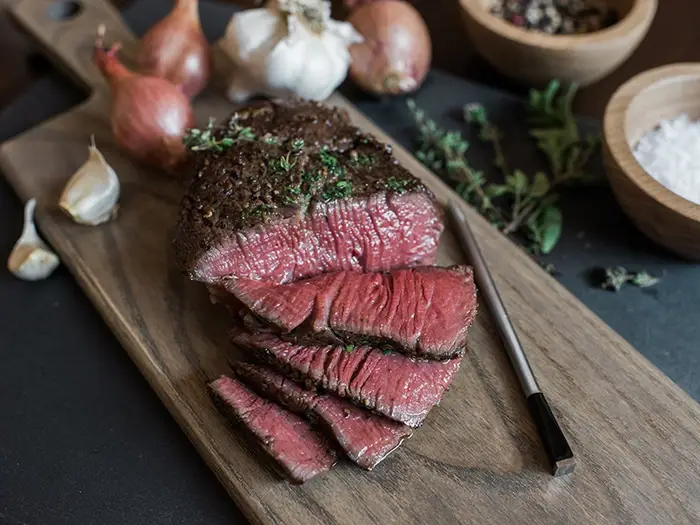
Master the Art of Grilling the Perfect Steak with a Wireless Meat Probe | Pro Grill
How to pick, prep and grill a steak to the doneness you want, using a wireless meat probe to track the internal temperature without lifting the lid.