
How to Grill Salmon Without It Sticking to the Grates
Salmon sticks for a few simple reasons: dirty grates, a grill that isn't hot enough, not enough oil, or flipping too soon. Here is how a grill tech sets it up so the fillet lets go on its own.
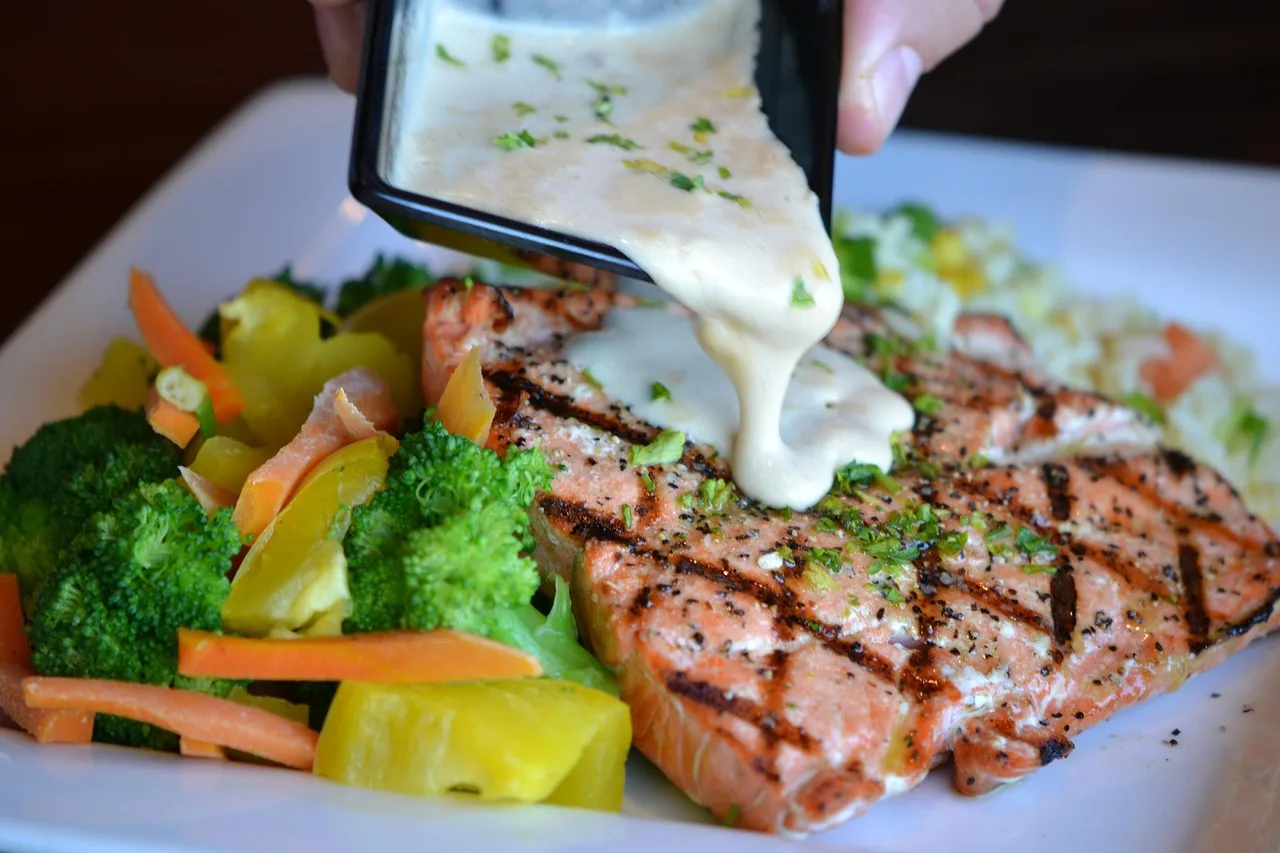
Short answer: Start with clean grates and preheat the grill with the lid closed for 10 to 15 minutes, to roughly 400 to 450°F. Oil the fish and wipe a little high-heat oil on the grates. Lay the fillet down skin side down (if it has skin) and leave it alone. When the fish has seared, it releases from the grates on its own. Flip it once, with a wide spatula.
Why this is in the news
ABC15 Arizona ran a segment on November 9, 2026, Chef Michael Rusconi shows us how to properly prepare grilled salmon. We're pointing to it as the source for the topic. For his own method and recipe, watch his segment.
What follows is our side of it. We clean and repair grills for a living, and most stuck-fish complaints we hear come down to the grill and the grates, not the fish.
Step 1: Start with clean grates
Old residue is the main reason salmon sticks. Burnt-on bits and a film of old grease give the fish something to grab. Salmon is soft and oily, and it bonds to that crust as it heats.
- Heat the grill, then scrape the grates with a good brush while they're hot.
- Look at the grates in daylight. If you can see black crust or a sticky shine, brush again.
- If the grates are really caked, a hot scrape won't fix it. They need a proper cleaning first. Our guide to cleaning BBQ grates covers stainless, cast iron and porcelain.
Make sure your brush is in good shape. Loose bristles don't belong near food, and our grill brush comparison covers what to buy.
Step 2: Preheat longer than you think
Fish sticks to metal that isn't hot enough. Hot grates sear the surface fast, and that sear is what lets the fillet release.
- Light all burners on high, close the lid, and give it 10 to 15 minutes.
- Aim for about 400 to 450°F at the lid thermometer. If you're not sure what your grill should read, see how hot a gas grill should get.
- If the grill won't reach that temperature, sticking is the least of your problems. Check why a gas grill isn't getting hot.
If you ever smell gas, shut off the gas at the tank or valve and call a pro before you light anything.
Step 3: Oil the fish and the grates
Oil the fish itself. Pat the fillet dry with paper towels, then rub it with a thin coat of oil on all sides. A dry surface sears. A wet one steams and sticks.
Then oil the grates. Fold a paper towel, soak it in oil, grip it with long tongs and wipe the grates just before the fish goes on. Use an oil with a high smoke point, such as avocado or canola. Don't pour or spray oil onto grates over an open flame. It can flare up, and if it does, our guide on grill burns and flare-ups covers the first minutes.
Salt and season right before grilling. Salt sitting on the fish for a long time pulls out moisture.
Skin-on or skinless
Skin-on is easier for most people. The skin is a built-in barrier between the flesh and the grate. It also holds the fillet together when you flip it.
- Skin-on: Cook skin side down for most of the time, about two-thirds. The skin crisps and pulls off the grates by itself. Flip briefly to finish, or skip the flip on thick fillets and close the lid.
- Skinless: This is more delicate. Make sure the grates are especially clean and well oiled. Put the better-looking side down first. Use a wide, thin spatula, and flip it once and gently.
If you're new to grilling salmon, buy skin-on.
Step 4: Lay it down and wait for it to release
Lay the fillet on the grates, away from you so the oil doesn't splash back. Then close the lid and don't touch it.
For a fillet about an inch thick, plan on roughly 4 to 6 minutes on the first side. Thickness matters more than the clock, so use these cues:
- Slide a thin spatula under one corner. If it lifts cleanly, it's ready. If it resists or tears, give it another minute.
- Look at the cooked color creeping up the side of the fillet. When it's about halfway up, it's usually time.
- Don't pry or shake it loose. Forcing a fillet early is how it tears and leaves half of itself on the grates.
Flip once. The second side usually needs only a few more minutes. Check with a thermometer at the thickest part. Many cooks pull salmon around 125 to 130°F for a moist center. The USDA's recommended safe temperature for fish is 145°F, so choose based on your comfort level.
Backups: cedar plank or foil
If your grates are rough, pitted, or you just want a safety net, put something between the fish and the metal.
- Cedar plank: Soak it in water for about an hour. Put it on the hot grill for a few minutes until it just starts to smoke, flip it, set the fish on it, and close the lid. It's gentler, gives a mild smoke flavor, and the fish won't stick. Keep a spray bottle of water handy in case the edges flame up.
- Foil: Use heavy-duty foil, oil it, and set the fish on it. You won't get grill marks, but nothing sticks and cleanup is easy. Poke a few holes if you want a little more smoke contact.
- Grill basket: A fish basket works for smaller pieces. Oil it well before loading.
For a simple flavor option to try on any of these, see our five-ingredient marinated grilled salmon.
Quick fixes if it still sticks
| What's happening | Likely cause | Fix |
|---|---|---|
| Fillet tears when you flip | Flipped too early | Wait until a thin spatula slides under it without resistance |
| Skin stays on the grates | Grates not hot or not clean enough | Preheat longer, scrape again, oil the grates |
| Fish sticks all over | Surface was wet or not oiled | Pat dry, oil the fish and the grates |
| Sticks in the same spots every time | Pitted or rough grates, or a cool zone | Use a plank or foil, and see the section below on worn grates |
| Flare-ups | Too much oil or grease buildup | Wipe off extra oil and clean the grease tray and burner box |
Cleaning fish residue off the grates
Do this right after cooking, while the grates are still hot. Fish oil hardens as it cools and turns into the sticky layer that catches the next fillet.
- Move the fish to a platter, then leave the burners on high for about 5 to 10 minutes with the lid closed.
- Scrape the grates with your brush while hot.
- Wipe on a thin coat of oil with a paper towel and tongs. This matters most for cast iron and is a good habit for other grates.
- Once a month or so, or if the grates smell fishy, take them out and wash them with warm soapy water and a nylon brush, then dry them.
Skip steel wool on stainless, and check our grate cleaning guide for what's safe on your type. Burning off the grates doesn't clean the rest of the grill either. Grease collects in the tray and under the burners, so it still needs a regular clean.
When the grates are the problem
Grates that are pitted, flaking, bent, or have bare spots where the coating is gone will keep sticking no matter how well you prep. Fish will grab a rough surface every time. At that point, replacing the grates is cheaper than fighting them.
We sell replacement parts for most major brands at the Pro Grill parts store. We also sell parts for Lynx grills (we don't sell the grills themselves), so owners who want to keep a Lynx running can fix it up rather than replace it. If you'd rather have someone else do the work, you can find an insured grill pro near you.
FAQ
How do you keep salmon from sticking to the grill?
Clean the grates, preheat to about 400 to 450°F, pat the fish dry and oil it, and lightly oil the grates. Then leave the fillet alone until it releases when you slide a spatula under it.
Should I grill salmon skin side down?
Yes, if it has skin. Start skin side down and cook most of the way on that side. The skin protects the flesh from the grates and usually lifts off on its own when it's ready.
How long does salmon take on the grill?
A fillet about an inch thick usually takes about 4 to 6 minutes on the first side, then a few more minutes after the flip. Judge by thickness and by whether it releases from the grates, and use a thermometer.
Do I need a cedar plank or foil to grill salmon?
No, but both are good backups. A soaked cedar plank or a piece of oiled heavy-duty foil keeps the fish off the grates if yours are rough or you're worried about it sticking.
How do I get fish smell and residue off my grill grates?
Burn off the grates on high for 5 to 10 minutes after cooking, scrape them while hot, and wipe on a thin coat of oil. For lingering smell, take the grates out and wash them in warm soapy water.
More cooking
See all →
Apple HomeView Recipes: Follow Pro Grill Recipes Hands-Free
Apple's new HomeView can turn a web recipe into step-by-step cooking with timers set for you. Here's how it works, and how our grill recipes are buil…
How to Grill a Thick Filet Mignon on a Gas Grill
A 1.5 to 2 inch filet is lean and tender, so it cooks fast and forgives very little. Here is the heat setup, timing and pull temperature we use, from…
Master the Art of Grilling the Perfect Steak with a Wireless Meat Probe | Pro Grill
How to pick, prep and grill a steak to the doneness you want, using a wireless meat probe to track the internal temperature without lifting the lid.