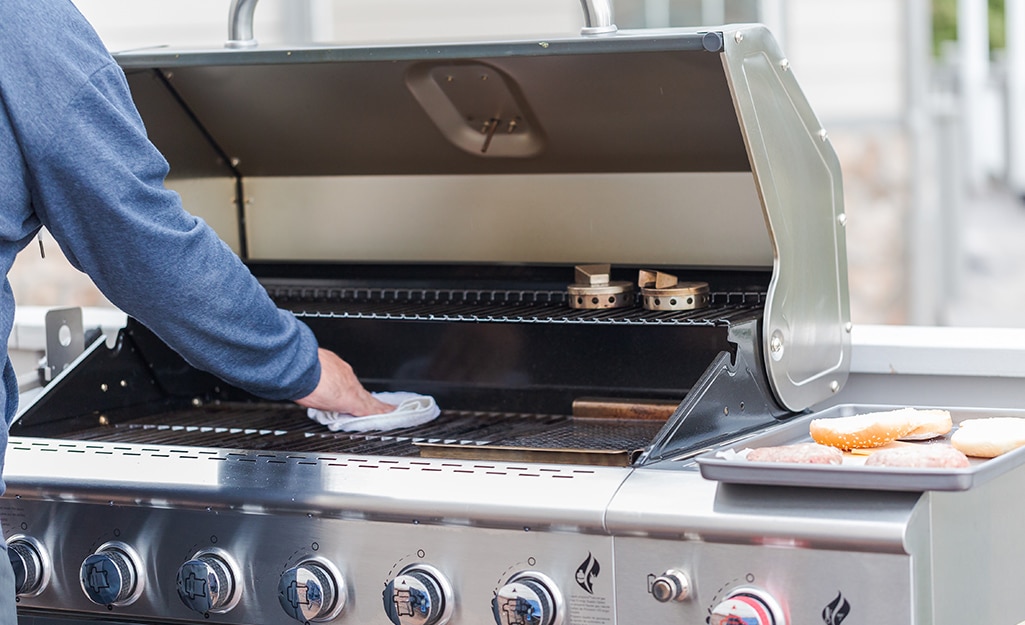
After the burgers, steaks or vegetables come off the grill, cleaning is probably not the first thing you want to do. But a small amount of maintenance after cooking can prevent grease, food residue and carbon from building up over time.
So, should you clean your grill after every use?
Yes—but that does not mean completely dismantling and deep cleaning your BBQ every time you cook.
The better approach is to perform a quick routine cleaning after regular use, periodically inspect the areas underneath the cooking grates, and give the grill a more thorough cleaning when buildup begins to accumulate.
You should perform basic grill maintenance after each use, but you do not need to deep clean the entire BBQ every time you cook. Remove obvious food residue from the cooking surface, monitor grease accumulation and empty the grease tray as needed. A deeper cleaning should be performed periodically based on how often you grill, what you cook and how much grease and carbon have accumulated inside the BBQ.
What Should You Clean After Every Use?
Cleaning a grill after every use should be simple enough that it becomes part of your normal grilling routine.
You are not trying to make the BBQ look brand new after every meal. The goal is to remove fresh food residue before repeated cooking turns it into increasingly difficult buildup.
Once the grill is safe to handle and you are following the cleaning instructions provided by its manufacturer, routine maintenance can include:
- Clean the cooking grates: remove stuck food and obvious residue using tools appropriate for your particular grate material.
- Check for fresh grease: look beneath the cooking surface for excessive drippings or grease accumulation.
- Monitor the grease tray: empty or service the grease-management system before it becomes excessively full.
- Remove obvious food debris: loose food pieces left inside the BBQ can continue to burn, smoke and attract pests.
- Look for anything unusual: excessive smoke, unusually large flare-ups, deteriorated components or other changes may indicate that the grill needs additional attention.
You Do Not Need to Deep Clean the Grill After Every Cook
This is an important distinction.
Routine cleaning after cooking and a true deep cleaning are two different things.
A basic after-use cleaning focuses primarily on fresh residue and the areas you routinely interact with.
Deep cleaning goes farther into the BBQ and addresses accumulated grease, carbon and cooking residue on and around components underneath the cooking surface.
Completely dismantling your grill after every dinner would be unnecessary for most homeowners and may even create problems if components are repeatedly removed or cleaned using inappropriate methods.
Instead, think of grill maintenance in layers:
- After cooking: light routine cleanup.
- Periodically: inspect grease-management areas and accessible components.
- As buildup develops: perform a deeper cleaning.
- When substantial buildup is present: consider professional BBQ cleaning.
Why Cleaning After Every Use Makes Deep Cleaning Easier
Fresh cooking residue is generally easier to address than residue that has been heated repeatedly.
When grease, sauces and food particles remain inside the grill, the next cooking session heats them again.
Repeat that process over many meals and residue can gradually turn into thick, stubborn layers of grease and carbon.
This is one reason a BBQ that was once easy to maintain can eventually become extremely difficult to clean.
A few minutes of routine maintenance does not eliminate the need for deeper cleaning, but it can slow the rate at which heavy buildup develops.
What Happens If You Don't Clean Your Grill After Cooking?
Missing one cleaning is not likely to destroy your BBQ.
The problem is the pattern that develops when food, grease and carbon are repeatedly left behind.
Over time you may begin noticing:
- More smoke during preheating
- Stronger old-grease odors
- Frequent or larger flare-ups
- Grease accumulating underneath the cooking surface
- Food residue sticking to the grates
- Dirty or overloaded grease trays
- Heavy carbon deposits
- More difficult deep cleaning later
We cover the broader consequences in our guide: What Happens If You Don't Clean Your Grill?
Should You Clean the Grill While It's Hot?
Follow the manufacturer's instructions for your specific grill and cleaning tools.
Some routine grate maintenance may be performed while the cooking surface is still warm, but you should not reach into a hot grill, remove hot internal components or attempt a deep cleaning before the appliance has cooled sufficiently.
Burners, heat shields, briquette trays, ceramic briquettes, grease trays and the firebox can remain hot long after cooking has finished.
If you are performing anything beyond routine cooking-surface maintenance, shut the grill down and allow it to cool appropriately before working inside it.
Use cleaning tools appropriate for your grill and cooking-grate material, and follow the manufacturer's recommendations. Before cooking again, always inspect the cooking surface and make sure no loose cleaning material or debris has been left behind.
Don't Judge the Entire Grill by the Cooking Grates
One of the biggest mistakes grill owners make is looking at clean cooking grates and assuming the entire BBQ is clean.
The grates are only the top layer.
Grease and food drippings fall underneath them every time you cook.
Depending on your grill design, residue can accumulate on:
- Ceramic briquettes
- Briquette trays
- Heat shields
- Flame tamers
- Burner-area surfaces
- The lower firebox
- Grease channels
- Drip pans
- Grease trays
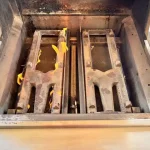
That means a grill can have a reasonably clean cooking surface while significant grease remains hidden underneath.
If you want to understand why that matters, see: Why Grease Buildup Is a Serious Risk for Your Barbecue .
How Often Should You Deep Clean a BBQ?
There is no perfect schedule that applies to every grill.
How often your BBQ needs a deep cleaning depends heavily on how it is used.
A grill used several times per week can accumulate considerably more grease and food residue than one used only occasionally.
The foods you cook also matter.
Burgers, steaks, sausages and other fatty foods generally produce more drippings than leaner foods. Sugary marinades and sauces can also leave additional residue.
Instead of relying solely on the calendar, pay attention to the actual condition of the BBQ.
Heavy smoke before food is added, frequent flare-ups, old grease odors, visible grease beneath the grates or a heavily soiled firebox are better indicators that the grill needs attention than simply counting how many weeks have passed.
What About the Burners?
Burners are different from cooking grates.
They are functional gas components, and they should not automatically be scrubbed, soaked or removed after every use.
What is important is monitoring their condition and performance.
If burner ports become obstructed or the burner begins deteriorating, you may notice:
- Uneven flames
- Low heat
- Cold spots
- Sections of a burner that do not light
- Unusual flame patterns
If your grill is experiencing burner problems, cleaning the cooking grates is unlikely to solve the underlying issue.
Learn more about BBQ burner cleaning, repair and replacement .
What About the Grease Tray?
The grease tray deserves more attention than it often gets.
Depending on the design of your grill, grease may be directed toward a tray, drip pan or collection container.
How often it needs to be emptied depends on grill use and what you cook.
You do not necessarily need to empty a nearly clean grease tray after every cooking session, but you should check it regularly enough that it never becomes excessively full or overflows.
If you frequently cook fatty foods, you may need to inspect it much more often.
Should You Use High Heat to Clean the Grill After Every Use?
Simply turning the burners to maximum heat should not be confused with physically cleaning the BBQ.
Heat may burn or carbonize some residue on the cooking surface, but it does not remove accumulated grease throughout the grill.
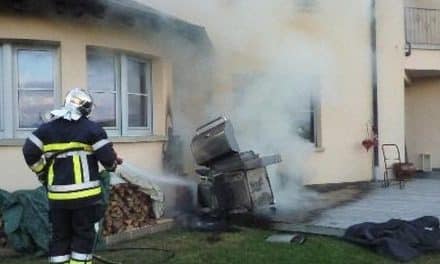
In fact, exposing a BBQ containing substantial grease buildup to extreme heat can produce heavy smoke and may create additional fire risk.
We explain that issue in: Does High Heat Really Clean a Grill?
Be Careful Not to Over-Clean Your Grill
More cleaning is not automatically better cleaning.
A BBQ contains different materials and components, each of which may require a different approach.
Harsh chemicals, overly aggressive abrasives, excessive water and inappropriate cleaning tools can create unnecessary problems.
Stainless steel, cast iron, porcelain-coated grates, ceramic briquettes, burners and ignition components should not all be treated the same way.
The goal is to remove residue without damaging the surfaces or components you are trying to maintain.
Before deep cleaning your BBQ yourself, read: 10 Common BBQ Cleaning Mistakes and How to Avoid Them .
Routine Cleaning Helps. Deep Cleaning Goes Further.
Even a well-maintained grill can gradually develop grease and carbon buildup below the cooking surface.
Pro Grill specializes in professional deep BBQ cleaning using a thorough process that includes non-toxic, food-grade degreasing products and high-temperature steam cleaning.
When Should You Consider Professional BBQ Cleaning?
Routine homeowner maintenance can go a long way toward keeping a BBQ in better condition.
But eventually, many grills develop buildup in areas that are difficult to reach with a quick after-cooking cleanup.
Professional cleaning may make sense when:
- The BBQ contains years of grease and carbon buildup
- The grill produces heavy smoke while preheating
- Grease is visible throughout the firebox
- You are experiencing frequent flare-ups
- Internal components are difficult to inspect because of buildup
- The grill has not received a thorough cleaning in a long time
- You purchased a home with an older built-in BBQ and do not know its maintenance history
- You simply do not want to dismantle and deep clean the grill yourself
A professional deep cleaning does not replace routine maintenance. The two work together.
Regular homeowner care slows down buildup, while periodic deeper cleaning addresses areas that ordinary after-use maintenance does not.
Can Cleaning Reveal Grill Repair Problems?
Yes.
Heavy grease and carbon can hide the actual condition of burners, briquette trays, heat shields and other components.
Once buildup is removed, deteriorated parts can become much easier to see.
Cleaning may reveal:
- Burners that are cracked or deteriorating
- Briquette trays that are rusted or burned through
- Damaged ceramic briquettes
- Worn heat shields
- Ignition components that need attention
- Grease trays that are heavily corroded
Cleaning cannot repair a failed part.
If your grill also has ignition, heat or mechanical problems, Pro Grill provides professional BBQ grill repair .
A Simple Grill-Cleaning Routine
You do not need to turn grill maintenance into a major project every time you cook.
A practical routine is:
- After cooking: remove obvious food residue from the cooking surface using an appropriate cleaning method.
- Regularly: inspect the grease tray and accessible areas underneath the grates.
- When buildup becomes noticeable: perform a more thorough cleaning rather than continuing to cook over increasingly heavy residue.
- Periodically: inspect burners, heat-distribution components and ignition parts for deterioration or abnormal operation.
- When the grill needs more than routine maintenance: consider professional deep cleaning or repair.
So, Should You Clean Your Grill After Every Use?
Yes—but keep the amount of cleaning appropriate to the job.
After each grilling session, basic maintenance helps prevent fresh food residue and grease from becoming increasingly difficult buildup.
That does not mean completely dismantling and deep cleaning the BBQ after every meal.
Keep the cooking surface maintained, monitor grease accumulation, check the grease-management system and pay attention to changes in how the grill looks and performs.
Then, when grease and carbon begin accumulating in deeper areas of the BBQ, perform a more thorough cleaning.
That combination of routine after-use care and periodic deep cleaning is a much more practical way to keep a grill maintained over the long term.
More Grill Cleaning Resources
Frequently Asked Questions
Do I need to clean my grill every time I cook?
Basic maintenance after each use is a good habit, especially removing obvious food residue and monitoring grease accumulation. You do not need to perform a complete deep cleaning every time you cook.
Should I clean my grill before or after cooking?
Routine maintenance after cooking helps prevent fresh residue from remaining on the grill until the next use. You should also inspect the cooking surface before cooking again to make sure it is clean and free of loose debris.
Should I clean underneath the grill grates every time?
A complete cleaning underneath the grates is usually not necessary after every meal, but the area should be inspected periodically. Grease and food drippings can accumulate on heat shields, briquette trays, the firebox and other surfaces below the cooking grates.
How often should I deep clean my gas grill?
There is no single schedule for every grill. Frequency depends on how often you cook, what foods you prepare and how quickly grease and carbon accumulate. Heavy smoke, frequent flare-ups, old grease odors and visible buildup are signs that a deeper cleaning may be needed.
Do I need to clean my grill burners after every use?
No. Burners do not normally need to be removed and cleaned after every cooking session. Monitor burner performance and condition, and follow the grill manufacturer's instructions if burner cleaning or service becomes necessary.
Should I empty the grease tray after every use?
Not necessarily if very little grease has collected, but you should check it regularly and never allow it to become excessively full or overflow. Grills used frequently or for fatty foods may require much more frequent grease-tray maintenance.
Can I just turn the grill on high to clean it?
High heat is not a replacement for physically removing grease and cooking residue. It may carbonize some surface residue, but accumulated grease can remain elsewhere inside the BBQ.
Is professional grill cleaning still necessary if I clean after every use?
Routine maintenance can greatly reduce buildup, but grease and carbon may still accumulate in areas below the cooking surface. A periodic professional deep cleaning can address areas that are not normally cleaned after each cooking session.
Can a dirty grill cause flare-ups?
Fresh fat dripping from food can cause brief flare-ups even in a clean grill. However, excessive grease and cooking residue beneath the grates can contribute to repeated or unusually large flare-ups.
When a Quick Cleaning Isn't Enough, Call Pro Grill
Routine cleaning after each cook is a great habit, but it cannot always reach years of grease, carbon and cooking residue hidden inside the BBQ.
Pro Grill provides professional deep grill cleaning, maintenance and repair to help get your BBQ back into a cleaner, better-maintained condition.