A clean grill is about much more than appearance. Proper BBQ cleaning can help reduce grease buildup, improve heat distribution, make it easier to spot worn components and keep your grill ready for the next cook. But some common cleaning habits can actually make the job harder—or even damage parts of the grill.
At Pro Grill, we clean and service BBQ grills professionally, and we regularly see the results of well-intentioned cleaning methods that did not work as planned. Some grills are cleaned too little. Others are attacked with overly aggressive tools, harsh chemicals or excessive heat.
Below are 10 common BBQ cleaning mistakes, why they matter, and better ways to care for your grill between professional cleanings.
The biggest BBQ cleaning mistakes include allowing grease and carbon to accumulate, using the wrong tools or chemicals, ignoring the grease tray and components beneath the grates, using excessive heat as a substitute for cleaning, and overlooking damaged burners or ignition parts. Good grill care means cleaning the right areas with methods appropriate for the grill's materials and components.
10 BBQ Cleaning Mistakes to Avoid
- Waiting Too Long Between Grill Cleanings
- Using the Wrong Cleaning Tools
- Forgetting the Grease Tray or Grease Trap
- Using Heat the Wrong Way
- Cleaning Only the Cooking Grates
- Using Harsh or Inappropriate Chemicals
- Ignoring Burners and the Ignition System
- Putting the Grill Away Wet or Unprotected
- Cleaning Stainless Steel Incorrectly
- Trying to Fix Severe Buildup or Damage With Cleaning Alone
Waiting Too Long Between Grill Cleanings
The mistake:
One of the most common problems is simply allowing grease, food residue and carbon to accumulate for too long.
Every grilling session can add another layer of drippings, sauces, fats and food particles. Some remain on the cooking grates, but much of that material falls beneath the cooking surface onto briquettes, heat shields, trays and interior surfaces.
If buildup continues unchecked, the grill can begin smoking excessively, developing persistent odors or experiencing more frequent flare-ups. Heavy residue can also make it difficult to see the actual condition of parts underneath it.
For regular upkeep between deeper cleanings, see our Grill Maintenance Guide: Self-Care Between Pro Grill Cleanings .
Using the Wrong Cleaning Tools
The mistake:
More aggressive does not automatically mean cleaner.
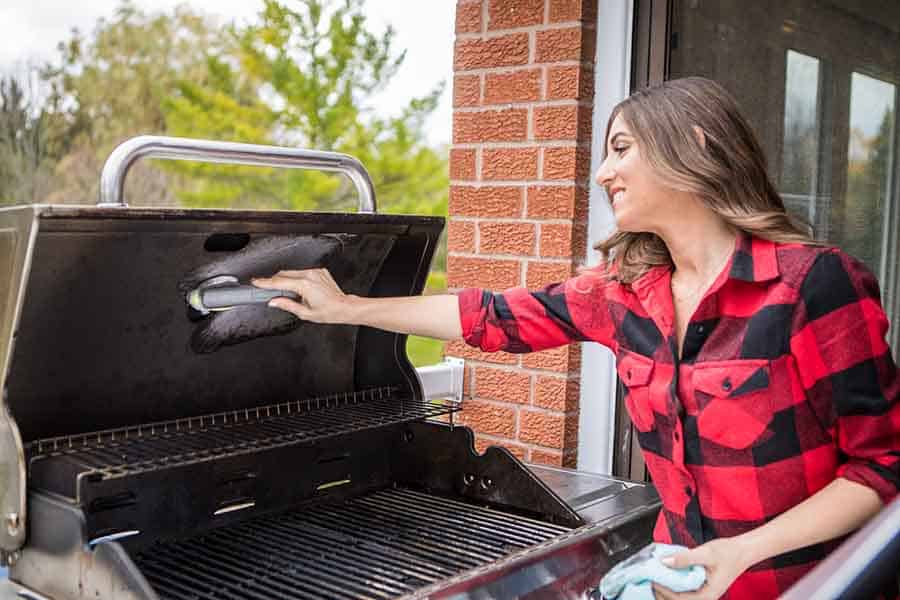
An abrasive pad, metal scraper or other harsh tool may remove stubborn residue, but it can also scratch polished surfaces, damage coatings or leave marks that are difficult to correct.
Cooking grates also vary considerably. Stainless steel, cast iron and porcelain-coated grates should not automatically be treated exactly the same way.
Brush condition matters too. Any grill-cleaning brush should be inspected and replaced when worn, damaged or shedding material.
Forgetting the Grease Tray or Grease Trap
The mistake:
The grease-management system is easy to forget because it is usually underneath or behind the visible cooking area.
Yet that is exactly where a considerable amount of cooking fat may end up.
Allowing a grease tray, drip pan or collection area to become excessively full can lead to overflowing grease, heavy smoke and increased fire risk.
Using Heat the Wrong Way
The mistake:
Heat can be useful during routine grill care because warming the cooking surface can loosen some residue. The mistake is assuming that running a dirty BBQ on maximum heat is the same thing as thoroughly cleaning it.
It isn't.
High heat may carbonize food residue on the cooking surface, but it does not physically remove layers of grease and debris from the firebox, grease-management areas or other components beneath the grates.
If a grill already contains substantial grease buildup, turning it to very high heat can also produce excessive smoke or ignite accumulated grease.
We explain the difference in detail in Does High Heat Really Clean a Grill?
Cleaning Only the Cooking Grates
The mistake:
The grates are the part of the grill you see every time you cook, so they naturally receive most of the attention. But a clean-looking cooking surface does not necessarily mean the BBQ itself is clean.
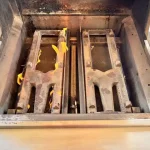
Beneath the grates, a gas grill may contain:
- Burners
- Heat shields or flame tamers
- Ceramic briquettes
- Briquette trays
- Ignition electrodes
- Grease trays
- Interior firebox surfaces
Those components are exposed to grease, food debris and repeated heating as well.
If you are not sure what you are looking at, our guide to the main parts of a barbecue grill explains the major components and their functions.
Using Harsh or Inappropriate Chemicals
The mistake:
A powerful household cleaner may seem like the fastest way to attack baked-on grease. But not every product belongs inside a cooking appliance, and not every grill finish reacts the same way to cleaning chemicals.
Particularly aggressive products can discolor finishes, damage certain surfaces or leave unwanted residue if they are used incorrectly.
Pro Grill's professional cleaning process uses a non-toxic, food-grade degreasing process combined with high-temperature steam cleaning as part of our professional BBQ grill cleaning service .
Ignoring Burners and the Ignition System
The mistake:
Burners and ignition components are sometimes treated as though they are separate from cleaning and maintenance. In reality, both sit in an environment exposed to heat, grease and cooking debris.
Burner ports can become obstructed, burners can deteriorate with age and ignition electrodes can become dirty, misaligned or damaged.
At the same time, it is important not to assume every burner or ignition problem can simply be scrubbed away.
A cracked, split or severely deteriorated burner needs repair or replacement—not more aggressive cleaning.
Learn more about BBQ burners and BBQ ignition and igniter repair .
When Your Grill Needs More Than a Quick Scrub
Pro Grill specializes in professional deep BBQ cleaning. Our technicians clean beyond the cooking grates and remove accumulated grease and carbon from areas that ordinary day-to-day cleaning often does not reach.
A thorough cleaning can also expose deteriorated burners, damaged briquette trays, worn ignition components and other problems that may have been hidden beneath buildup.
Putting the Grill Away Wet or Unprotected
The mistake:
Cleaning involves moisture, but leaving water sitting on or inside a grill is not ideal—particularly on components already exposed to heat, weather and corrosion.
Another common mistake is finishing a thorough cleaning and then leaving the BBQ exposed to rain, sprinklers, coastal moisture or debris.
Cleaning Stainless Steel Incorrectly
The mistake:
Many premium built-in BBQs use large amounts of stainless steel, but stainless does not mean scratch-proof or maintenance-free.
One of the easiest ways to make an otherwise attractive grill look worse is to attack finished stainless surfaces with an unnecessarily aggressive abrasive.
Scratches can become especially obvious when they run across the grain of the stainless steel.
This is also why we caution grill owners against automatically reaching for steel wool whenever they encounter difficult buildup.
Trying to Fix Severe Buildup or Grill Damage With Cleaning Alone
The mistake:
Sometimes the BBQ has moved beyond routine homeowner maintenance.
Years of accumulated grease and carbon may require substantial disassembly and deep cleaning. In other cases, cleaning reveals that the grill also has damaged components.
A deteriorated burner, failed igniter, damaged valve, collapsed briquette tray or another worn part is not going to become functional simply because the grill looks cleaner.
This is an important distinction: cleaning removes buildup; repair corrects failed or damaged components.
If the BBQ is not operating correctly, Pro Grill also provides professional grill diagnosis and repair .
Another Common Mistake: Assuming a Clean-Looking Grill Is Actually Clean
This deserves special attention because it is one of the easiest mistakes to make.
A homeowner can polish the hood, brush the grates and wipe down the control panel until the BBQ looks great from the outside. Meanwhile, grease and carbon may still be sitting underneath the cooking surface.
That hidden buildup is often where smoke, flare-ups and other cleaning-related problems begin.
The condition underneath the grates matters just as much as the appearance above them.
Don't Confuse Carbon Buildup With a Protective Coating
Dark material inside a grill is sometimes dismissed as harmless seasoning.
Some cooking surfaces, particularly properly maintained cast iron, can develop a beneficial seasoned layer. But thick, flaky deposits elsewhere inside a grill may simply be accumulated carbonized grease and food residue.
If material is peeling, flaking or falling from the inside surfaces of the BBQ, that is very different from a properly seasoned cooking grate.
Don't Spray Water Into a Hot Grill
Trying to cool or clean a very hot BBQ by suddenly introducing large amounts of cold water is another shortcut worth avoiding.
Grill components experience significant thermal expansion during use. Rapid temperature changes are unnecessary and may be hard on materials and finishes.
Let the grill reach an appropriate temperature for the cleaning procedure you intend to use rather than attempting to shock-cool it.
Cleaning Should Also Be an Opportunity to Inspect Your Grill
One of the biggest benefits of cleaning a BBQ is that removing grease and carbon allows you to see the equipment underneath.
Once the grill is cleaner, look for signs such as:
- Burners with cracks, holes or severe corrosion
- Briquette trays that are burned through or collapsing
- Broken or badly deteriorated cooking grates
- Loose or damaged ignition electrodes
- Grease trays that are rusted through
- Control knobs that are cracked or difficult to operate
- Abnormal flame patterns
Cleaning will not necessarily correct these problems, but it can make them much easier to identify.
Why Burner Ports Require Special Care
Gas burners contain carefully positioned openings designed to distribute flame across the burner.
If those ports become obstructed, burner performance can change. But aggressively enlarging burner holes with drills, screws or oversized tools is not an appropriate cleaning method.
Altering the size of the burner ports can change how gas exits the burner.
If a burner is heavily deteriorated or the openings have enlarged because the metal itself is failing, the appropriate solution may be burner replacement rather than attempting to reshape it.
Be Careful Around Ignition Electrodes
Ignition electrodes may look like simple pieces of metal and ceramic, but their positioning can be important.
Bending, striking or aggressively scrubbing an electrode can move it out of position or damage the ceramic insulation.
If your grill begins clicking without lighting, stops sparking or only lights certain burners, cleaning may be part of the diagnosis—but the ignition system may also need adjustment or replacement.
Our BBQ ignition and igniter guide explains these components in greater detail.
A Smarter BBQ Cleaning Checklist
Instead of relying on one aggressive annual cleanup, think of grill care in layers:
- After normal cooking: address obvious residue on the cooking surface once it is safe and appropriate to do so.
- Regularly: check grease collection areas and look beneath the cooking grates for excessive buildup.
- Periodically: inspect burners, heat-distribution components, briquettes, trays and ignition parts.
- When buildup becomes substantial: perform a deeper cleaning or schedule professional service.
- When performance changes: do not assume dirt is the only cause. The grill may need diagnosis or repair.
How Often Should a BBQ Be Deep Cleaned?
There is no universal schedule for every grill.
A BBQ used several nights each week can accumulate substantially more grease than a grill used once or twice a month. What you cook matters too. Fatty foods, heavy marinades and sauces can produce more residue.
The better approach is to pay attention to the condition of the grill rather than relying only on the calendar.
Warning signs that deeper cleaning may be overdue include:
- Heavy grease beneath the cooking grates
- Thick carbon deposits
- Excessive smoke during preheating
- Repeated flare-ups
- Old grease odors
- Grease overflowing from collection areas
- Interior parts that are difficult to inspect because of buildup
The Pro Grill Difference
Routine homeowner maintenance and professional BBQ cleaning serve different purposes.
Day-to-day care helps keep the cooking surface usable and prevents obvious grease accumulation. Professional deep cleaning goes considerably further.
Pro Grill specializes in cleaning built-in and freestanding BBQ grills using a thorough process designed to remove accumulated grease, carbon and cooking residue from the grill.
Our cleaning process uses non-toxic, food-grade degreasing products together with high-temperature steam cleaning. The process also gives our technicians a clearer look at burners, ignition components, briquette trays and other parts that may require attention.
If cleaning exposes a mechanical problem, we can also help determine whether the grill needs professional BBQ repair .
More BBQ Cleaning & Maintenance Resources
Frequently Asked Questions About BBQ Cleaning Mistakes
Can you damage a grill by cleaning it incorrectly?
Yes. Abrasive tools can scratch finished surfaces, inappropriate chemicals may damage certain materials, and aggressive cleaning around burners or ignition components can damage or move parts. Cleaning methods should be appropriate for the specific grill surface or component.
Is it bad to use steel wool on a stainless steel grill?
Highly abrasive materials can scratch polished stainless-steel surfaces, particularly when used across the visible grain. Use cleaning methods appropriate for the particular finish rather than assuming every stainless surface should be aggressively scrubbed.
Can I clean my grill by turning it on high?
Heat may help loosen or carbonize some cooking residue, but it does not remove grease and debris throughout the BBQ. Excessive heat can also ignite accumulated grease, so a high-temperature burn should not be treated as a substitute for proper cleaning.
Should I clean my BBQ after every use?
Routine cleaning of the cooking surface after use can help prevent excessive food buildup. A complete deep cleaning is different and generally depends on how often the grill is used, what is cooked and how much grease has accumulated inside.
What parts of a gas grill need cleaning besides the grates?
Depending on the grill design, areas that may require attention include burners, briquettes, heat shields, briquette trays, grease-management areas, interior firebox surfaces and the areas around ignition components.
Can cleaning fix a burner that isn't working?
Cleaning can help when debris is interfering with a burner, but it cannot repair a burner that is cracked, severely corroded or otherwise physically deteriorated. Those conditions may require repair or replacement.
How do I know if my grill needs professional cleaning?
Heavy grease and carbon buildup, persistent smoke, repeated flare-ups, old grease odors or interior components that can no longer be properly inspected are signs that a deeper cleaning may be appropriate.
Skip the Cleaning Mistakes. Let Pro Grill Handle the Deep Clean.
If your BBQ has accumulated grease and carbon beyond ordinary maintenance, Pro Grill can professionally deep clean the grill and help identify worn components that may also need attention.
We specialize in BBQ cleaning, repair, maintenance, parts and grill replacement for homeowners throughout our service areas.
Table of Contents
10 Common BBQ Cleaning Mistakes (and How to Avoid Them)
A clean grill isn’t just about aesthetics—it’s essential for safety, performance, and flavor. However, many barbecue owners unknowingly make mistakes when cleaning their grills, which can lead to reduced efficiency, lingering odors, or even damage. To help you keep your BBQ in top condition, we’ve compiled a list of the 10 most common BBQ cleaning mistakes and how to avoid them.
1. Neglecting to Clean Regularly
The Mistake: Waiting too long between cleanings allows grease, food particles, and carbon buildup to accumulate, increasing the risk of a grease fire and affecting your grill’s performance.
How to Avoid It:
- Clean your grates after every use to remove food debris.
- Schedule a deep clean every few months, depending on how often you grill.
For more detailed maintenance tips, check out our Grill Maintenance Guide: Self-Care Between Pro Grill Cleanings.
2. Using the Wrong Cleaning Tools
The Mistake: Using abrasive tools like steel wool or cheap brushes with hard bristles can scratch surfaces or leave bristles behind, which might end up in your food.
How to Avoid It:
- Invest in a grill brush with stainless steel bristles or nylon brushes for ceramic-coated grates.
- Use soft cloths and sponges for cleaning exterior surfaces.
3. Skipping the Grease Trap
The Mistake: Forgetting to empty the grease trap regularly can lead to overflowing grease and dangerous flare-ups.
How to Avoid It:
- Check and empty the grease trap before and after each grilling session.
- Clean it with warm, soapy water to prevent residue buildup.
4. Cleaning While the Grill Is Cold
The Mistake: Scrubbing a cold grill makes it harder to remove stuck-on debris, leading to unnecessary effort and incomplete cleaning.
How to Avoid It:
- Preheat your grill for 10–15 minutes before cleaning to loosen grease and residue. Always use heat-resistant gloves and tools for safety.
5. Overlooking Hard-to-Reach Areas
The Mistake: Focusing only on the grates and ignoring other components like burners, drip trays, and the grill hood allows grime to accumulate over time.
How to Avoid It:
- Take the time to clean all parts of the grill, including burners, vents, and interior surfaces.
- Use a vacuum or brush to remove debris from hard-to-reach spots.
Understanding your grill’s components can aid in thorough cleaning. Learn more in our article on the Main Parts of a Barbecue Grill.
6. Using Harsh Chemicals
The Mistake: Cleaning with oven cleaners or bleach can damage the finish of your grill and leave harmful residues that affect food safety.
How to Avoid It:
- Stick to grill-safe cleaners or make a DIY solution using warm water, mild dish soap, and vinegar.
- Rinse thoroughly to remove any cleaning solution.
7. Ignoring Burners and Ignition Systems
The Mistake: Failing to clean burners can result in uneven heat, while neglecting ignition systems can cause them to malfunction.
How to Avoid It:
- Remove burners periodically and clean them with a brush to unclog ports.
- Inspect and clean ignition systems to ensure consistent performance.
8. Not Protecting Your Grill After Cleaning
The Mistake: Leaving your grill exposed to the elements after cleaning can cause rust, wear, and damage, undoing all your hard work.
How to Avoid It:
- Once cleaned, dry your grill thoroughly and apply a thin layer of cooking oil to prevent rust.
- Use a high-quality grill cover to protect it from rain, dust, and debris.
9. Forgetting to Clean the Exterior
The Mistake: Focusing solely on the inside of the grill and neglecting the exterior leads to a dirty, worn-looking BBQ.
How to Avoid It:
- Use a soft cloth and mild cleaner to wipe down the exterior. For stainless steel grills, a stainless steel cleaner can restore shine.
- Regularly clean handles, knobs, and other frequently touched areas.
10. Not Seeking Professional Help
The Mistake: Attempting to tackle severe grease buildup, damage, or complex cleaning tasks without the right tools or expertise can cause more harm than good.
How to Avoid It:
- Schedule a professional BBQ cleaning service for deep cleaning and inspection. At ProGrill, our team ensures your barbecue is spotless and safe to use, giving you peace of mind.
The ProGrill Difference
At ProGrill, we specialize in helping barbecue owners keep their grills in peak condition. Whether you need a deep clean, a safety inspection, or advice on maintenance, our team has the tools and expertise to handle it all.
Key Takeaways:
Avoiding these common BBQ cleaning mistakes will not only extend the life of your grill but also improve its safety and performance. Regular maintenance and professional cleaning services are key to ensuring your BBQ is always ready for your next cookout.
Ready to give your grill the ultimate clean? Contact ProGrill today to schedule a professional BBQ cleaning and enjoy safer, tastier grilling!