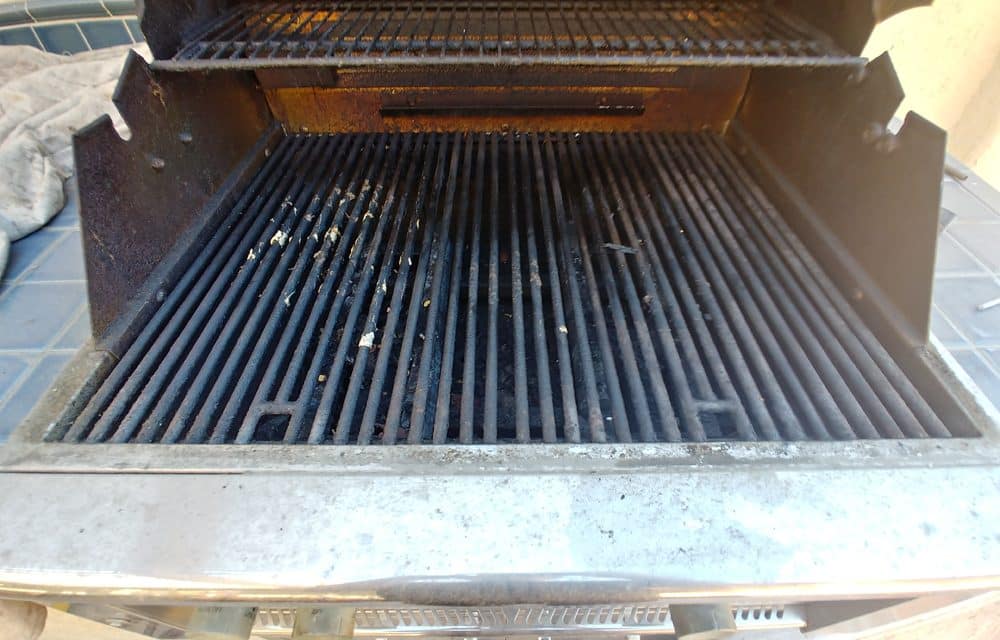
Why You Should Clean Your BBQ Before Winter
After months of grilling, it's easy to close the lid, put the cover on and forget about the BBQ until the next time you're ready to cook.
But if your grill is going to sit unused for weeks or months, all of the grease, food particles and cooking residue accumulated during the grilling season can sit there with it.
That's why the end of the grilling season can be one of the best times for a thorough BBQ cleaning. Instead of storing the grill dirty, you can remove the buildup, take a closer look at its components and leave it in better condition for its next use.
Should You Clean Your Grill Before Winter?
Yes—especially if the grill will be sitting unused. A thorough cleaning removes old grease and food debris before a period of inactivity, makes the grill less attractive to pests, and gives you an opportunity to identify worn or damaged components before you need the grill again.
What Can Happen When a Dirty Grill Sits for Months?
A grill doesn't stop needing attention just because you're not using it.
Grease & Food Residue Sit Inside
Every cookout can leave behind grease, carbonized food and debris. If the grill isn't thoroughly cleaned before a long period of inactivity, that buildup simply remains inside until the next time you open the lid.
Pests May Find It Attractive
A covered or unused BBQ can provide a dark, sheltered space for rodents and other pests. Food residue and grease only make that environment more inviting.
Moisture Can Become a Problem
Moisture, limited airflow and leftover organic residue are not a good combination. Depending on storage conditions, an unused grill may develop unpleasant buildup or even visible mold that must be addressed before cooking again.
Grease Can Remain Below the Grates
Brushing the cooking grates doesn't remove everything underneath them. Grease can collect around burners, trays, firebox surfaces and grease-management components where it may go unnoticed.
Old Residue Can Affect Your Next Cook
When you finally fire up the grill again, old residue can begin heating and smoking along with your food. Starting with a cleaner cooking environment simply makes more sense.
Repair Problems Can Stay Hidden
Heavy buildup can make it harder to see the actual condition of burners, briquette trays, ignition components and other parts. Cleaning gives you a much better opportunity to see what may need attention.
When Was the Last Time You Looked Inside Your Grill?
Not just at the cooking grates. Underneath them.
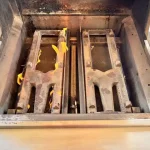
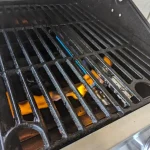
Remove the grates and you may find grease, carbon, burned food and other debris that has accumulated around the burners and lower portions of the grill.
If your grill has been used regularly all season, the amount of buildup below the cooking surface may surprise you.
An Unused Grill Can Become an Attractive Shelter
One of the less pleasant surprises when reopening a grill after a long period of inactivity is evidence that something else has been spending time inside it.
A BBQ can provide shelter from the elements, and leftover grease or food residue may make it even more attractive to rodents and other pests.
Removing food debris and thoroughly degreasing the grill before an extended period of inactivity helps eliminate one of the things that may attract them in the first place.
What If You Find Mold Inside the Grill?
A grill that sits closed for a long period can trap moisture, particularly when weather conditions and storage allow condensation to develop.
Combine that moisture with grease and organic cooking residue and you can end up opening the grill to an unpleasant surprise.
If you discover significant mold or contamination inside a grill, don't simply brush the cooking grates and immediately start cooking. The grill should be properly cleaned before being returned to service.
The Grease You Don't See Is Often the Bigger Problem
Most grill owners naturally focus on the cooking grates because that's the surface they see every time they cook.
But grease doesn't stay on the grates. It drips downward into the grill and can collect on internal surfaces, trays and grease-management areas.
Over time, excessive grease buildup can contribute to smoke, flare-ups and grease fires. Cleaning before the grill sits unused removes that old buildup instead of leaving it there for months.
Cleaning Also Gives You a Chance to Inspect the Grill
A proper BBQ cleaning isn't only about appearance. Once layers of grease and cooking residue are removed, it's much easier to evaluate the condition of the components underneath.
Depending on the grill, this may reveal:
- Burners that are deteriorated, cracked or heavily corroded
- Damaged briquette trays or heat-distribution components
- Ignition components that aren't working correctly
- Cooking grates that are excessively worn
- Grease-management areas that need attention
- Other components that may need repair or replacement
Open Your Grill and Take a Real Look
If you've been grilling throughout the season, lift the lid and look beyond the surface.
When was the last time the grates came out? What does the area around the burners look like? How much grease is sitting underneath?
If the answer is “I don't know,” or you don't remember the last thorough cleaning, the end of the grilling season is a good time to take care of it.
Winter Grill Maintenance Checklist
Don't leave an entire season's worth of burned food and residue inside the grill.
Look beyond the cooking surface at the areas where grease actually accumulates.
Empty and clean grease-management components before an extended period of inactivity.
Look for deterioration, corrosion, damaged burner ports or other obvious problems.
It's better to discover an ignition problem now than when you're ready for the next cookout.
Store the grill in better condition so there's less to deal with when you're ready to cook again.
A Grill Brush Doesn't Clean the Whole Grill
Brushing the grates after cooking is good routine maintenance, but it isn't the same as thoroughly cleaning the BBQ. Professional grill cleaning addresses the buildup that develops throughout the interior of the grill—not just what you can see on top.
Put Your BBQ Away Clean
If your grill has been working hard all season, now is a great time to remove the grease and cooking buildup before it sits unused. Pro Grill provides professional BBQ cleaning for built-in grills and outdoor kitchens.
Cleaning Can Reveal BBQ Repair Needs
Sometimes cleaning reveals that a component needs more than cleaning. Burners wear out, ignition components fail, briquette trays deteriorate and other grill parts eventually need replacement.
If your grill isn't heating evenly, won't ignite properly or has damaged components, learn more about our professional BBQ repair services and BBQ grill parts and replacement .
BBQ Cleaning Before Winter
Should I clean my BBQ before storing it for winter?
Yes. If the grill is going to sit unused for an extended period, cleaning first removes grease, food debris and cooking residue instead of leaving that buildup inside the grill for months.
Is cleaning the grill grates enough?
No. Grate cleaning is important routine maintenance, but grease and cooking residue can accumulate below the cooking surface around burners, trays and other internal areas of the BBQ.
Can rodents get inside an outdoor grill?
Yes. Outdoor grills can provide a sheltered area for rodents and other pests, particularly during periods when the grill isn't being used. Removing food debris and grease helps eliminate potential attractants.
What should I do if I find mold in my grill?
If you find significant mold or contamination, don't simply brush the cooking grates and start cooking. The affected grill surfaces should be properly cleaned before the grill is returned to use.
Can a grill cleaning uncover repair problems?
Yes. Removing grease and buildup can make it easier to see the condition of burners, briquette trays, cooking grates, ignition components and other parts that may be worn or damaged.
When is the best time to have a BBQ professionally cleaned?
There isn't only one right time. A professional cleaning can be useful after a heavy grilling season, before a long period of inactivity, or before you begin using a grill again after it has been sitting for an extended period.
More BBQ Cleaning & Maintenance Resources
Keep your grill cleaner, safer to operate and ready for the next time you want to cook.