


BBQ Grill Parts: Repair, Replacement & Everything In Between
Burners, valves and igniters get a lot of attention, but a modern gas grill contains dozens of other components that can wear out, corrode, become clogged, break, disappear or simply stop doing their job.
Pro Grill works on the complete BBQ. That can mean a grease tray rusted through beneath the grill, a failed regulator causing a fuel-delivery concern, a damaged wiring harness behind the control panel, a missing warming rack, a rotisserie motor that no longer turns, a manifold problem, an incorrect orifice, worn lid hardware or one of the many smaller pieces that keep an outdoor grill functioning properly.
This guide explains many of those BBQ parts, what they do, common problems and when cleaning, repair or replacement may be appropriate.

There is much more inside a BBQ than burners and grates
When someone says they need a “grill part,” they may be talking about almost anything from a $5 clip to a major gas manifold. The correct approach depends on what the part does. A warming rack is primarily a cooking accessory. A regulator controls fuel pressure. An orifice meters gas. A wiring harness carries electrical power or ignition signals. Those components should not all be diagnosed or replaced the same way.
That is why Pro Grill has built individual guides for major systems such as BBQ burners, gas valves, igniters, cooking grates, ceramic briquettes, briquette trays and control knobs. This page covers many of the remaining components that complete the grill.
Common grill parts we inspect, clean, diagnose or replace
The exact parts in your grill depend on the manufacturer, model, fuel type and features. The sections below explain many of the components we encounter on built-in and freestanding gas grills.
BBQ Drip Pans & Grease Trays
Drip pans, grease trays and collection cups catch grease and cooking debris after it moves through the grill. They can become packed with residue, rust through, warp, develop holes or simply go missing. A failed grease-management component can allow grease to collect where it was never intended. During cleaning, accessible grease-management components can be cleaned and evaluated. Replacement should match the grill because dimensions, drain locations, slides and collection systems vary by model.
BBQ Grill Covers
A fitted outdoor grill cover can help reduce exposure to rain, dust, leaves, bird debris and ultraviolet light when the grill is not being used. Covers themselves wear out: seams split, fabric fades, straps fail and material can become brittle. Correct fit matters because a cover that is too tight can be difficult to remove while an oversized cover can blow around. A cover does not replace cleaning or maintenance, and a wet grill should not simply be sealed up without regard for moisture and ventilation.
Gas Manifolds
The manifold distributes gas from the supply/control area to the individual valves. Depending on the grill, valves may be threaded into, mounted to or integrated with the manifold assembly. Corrosion, physical damage, damaged connections or model-specific valve failures can make manifold work more involved than replacing a cosmetic part. Because the manifold is part of the fuel-delivery system, diagnosis and repair should be performed correctly and leak-tested according to applicable manufacturer procedures.
Wire Harnesses & Electrical Wiring
Premium grills can contain more wiring than many owners realize. Ignition modules, electrodes, switches, LEDs, transformers, rotisserie systems and control lighting may all rely on harnesses and connectors. Heat, grease, moisture, rodents, corrosion and repeated service can damage wires or terminals. A no-spark or no-light condition should be diagnosed before a module is replaced because a broken wire, poor connection or damaged harness may be the actual cause.
BBQ Orifices
An orifice is a precisely sized opening that meters gas into a burner system. Orifice size is related to the appliance design and fuel type, so it is not a part to enlarge, drill or substitute casually. Debris, improper previous modifications or incorrect fuel-conversion parts can contribute to combustion problems. If an orifice or fuel-conversion issue is suspected, model information and manufacturer specifications matter.
Warming Racks
Warming racks sit above the primary cooking surface and are useful for holding food, toasting buns or creating additional cooking space. Because they live inside the cook box, they collect smoke residue and grease and may corrode, lose plating, warp or develop broken supports. Many are removable for cleaning. Replacement racks must match the mounting points and dimensions of the grill.
Rotisserie Burners
Rear infrared or conventional rotisserie burners provide heat for spit-roasting on grills equipped with a rotisserie system. Common concerns include ignition failure, uneven burner output, damaged screens or ceramics, blocked ports and deterioration. A rotisserie burner problem can overlap with valve, ignition and fuel-supply issues, so diagnosis should consider the complete system rather than the burner alone.
Rotisserie Motors
The rotisserie motor turns the spit at a controlled speed. Motors can fail electrically or mechanically, cords can become damaged and mounting interfaces can wear or go missing. Before replacing a motor, verify that the problem is not a binding spit, overloaded assembly, incorrect counterbalance or power issue. Replacement motors also need the correct mounting style, drive interface and capacity for the grill.
Rotisserie Spits, Forks & Handles
Spit rods, forks, collars, handles and counterweights are frequently misplaced when a grill changes owners or sits unused. Bent rods, stripped thumbscrews and damaged fork tines can make the system frustrating or unsafe to use. Correct length and drive shape are important when sourcing replacements because rotisserie components are not universally interchangeable.
Gas Regulators
The regulator helps deliver gas to the appliance at the pressure required by its design. Symptoms such as low flame across multiple burners can sometimes involve a regulator or supply issue, but low heat can also come from burners, valves, fuel level, installation conditions or other causes. Regulators should be matched to the appliance, gas type and intended pressure. They are not an appropriate place for guesswork.
Gas Hoses & Connectors
Flexible hoses and connectors should be inspected for cracking, abrasion, heat damage, deterioration and leakage. Routing matters: hoses should not be pinched or exposed to damaging heat. Connections differ between propane and natural-gas installations and among appliance designs. If a hose or connector is damaged or leaking, stop using the appliance until the issue is corrected.
Control Panels, Bezels & Trim
The front control panel holds or surrounds many of the parts users interact with every time they cook. Heat, grease, weather and aggressive cleaning can damage printed markings, bezels and decorative trim. Some panels are cosmetic; others also support valves, switches and ignition components. Replacement can therefore require more disassembly than the appearance of the part suggests.
Thermometers & Temperature Gauges
Lid-mounted thermometers are useful for general grill-temperature reference but can become inaccurate, fogged, physically damaged or unreadable. Replacement gauges need the correct stem length, mounting method and temperature range. Remember that a lid thermometer measures the environment near its probe, which is not necessarily the same temperature as the cooking grate.
Lids, Handles & End Caps
Grill lids and handles endure constant heat cycles and weather exposure. Handles can loosen, insulating spacers can deteriorate and decorative end caps may crack or disappear. Hinges and lid stops can also wear. A loose handle may be a simple hardware issue, while damaged hinge points or lid structures can require model-specific parts.
Flavorizer Bars, Heat Shields & Flame Tamers
Not every grill uses ceramic briquettes. Many models use stainless or porcelain-coated metal heat shields, often called flame tamers or flavorizer-style bars, between the burners and cooking grates. These parts collect drippings and eventually corrode, warp or burn through. Their shape and position are part of the grill's heat-management design, so replacements should fit the specific model.
Ceramic Rods & Other Radiant Systems
Some premium grills use ceramic rods or other radiant media instead of loose briquettes. These systems can crack, accumulate grease or lose supporting hardware. Cleaning methods and replacement criteria depend on the material and design. The goal is to preserve the intended heat-distribution system rather than converting the grill to whatever generic component happens to fit.
Smoker Boxes & Trays
Built-in smoker boxes and wood-chip trays can become heavily carbonized or corroded. Hinges, lids and handles may seize or fail, and removable boxes can be lost. These accessories can often be cleaned, but severely deteriorated metal should be replaced with a component designed for the grill.
Sear & Infrared Components
Infrared sear systems use specialized burners, screens, ceramics or emitters to produce intense heat. They should not be treated exactly like conventional tube or cast burners. Cracked ceramics, damaged mesh, ignition problems and uneven output require model-specific evaluation. Cleaning must also respect the manufacturer's instructions for the infrared component.
Side Burners & Power Burners
Outdoor kitchens frequently include side burners, power burners or wok burners. These have their own caps, rings, grates, electrodes, valves and sometimes dedicated drip systems. Wind, spills and debris can affect ignition and flame quality. Because these are gas appliances in their own right, their repair should include the same attention to fuel delivery, ignition and safe operation as the main grill.
Grill Lights, LEDs & Transformers
Premium grills may include internal hood lights, control-panel LEDs or illuminated knobs. When lighting fails, the bulb or LED is only one possibility. Switches, transformers, harnesses, connectors and power supplies may also be involved. Grease and weather make proper diagnosis especially useful before ordering expensive electrical components.
Springs, Pins, Clips, Screws & Hardware
Small hardware can stop an otherwise functional grill from going back together correctly. Burner pins, briquette clips, cotter pins, screws, spacers, springs and brackets may corrode or disappear during years of service. Generic hardware is not always suitable near high heat or gas components, so correct dimensions, material and purpose should be considered.
Grease Cups, Liners & Disposable Inserts
Some grills route grease from a larger tray into a removable cup or disposable liner. Missing or overflowing cups can create a mess inside the cabinet and around the grill island. These components should be emptied and cleaned regularly, and replacement cups or liners need to sit correctly beneath the drain path.
Doors, Drawers & Outdoor-Kitchen Hardware
Although not part of combustion, access doors and drawers around a built-in grill affect usability. Hinges, slides, handles and magnetic catches can corrode or loosen. Access panels also need to remain functional because technicians may need them to reach gas connections, electrical components or the underside of the grill.
Natural Gas & Propane Conversion Components
Fuel conversion is more than changing a label or swapping a regulator. Depending on the appliance, correct conversion may involve orifices, regulators, valves or manufacturer-specific components and procedures. Never drill an orifice or improvise a fuel conversion. The grill must be approved for the intended fuel and configured according to manufacturer instructions.
Regulators, manifolds, valves and orifices work as one fuel-delivery system
Gas begins at the fuel source and must arrive at each burner at the conditions the appliance was designed to use. Depending on the installation, that path can involve a propane cylinder or natural-gas supply, hose or connector, regulator, manifold, individual control valves, orifices and finally the burners.
A symptom at the end of that chain does not identify the failed component by itself. For example, low flame across every burner may point toward a fuel-supply or regulator issue, while one burner with an abnormal flame may lead the diagnosis in another direction. A knob that will not turn can be a knob problem or a valve problem. Yellow or irregular flames can have several causes and should be evaluated in context.
Fuel-system parts also need to be correct for the grill and fuel. Natural gas and propane appliances operate with manufacturer-specified components and pressures. Orifices are precisely sized, regulators have pressure specifications, and some valves differ by fuel configuration. Parts should not be modified simply to make them “work.”
Why a BBQ regulator can be blamed for problems it did not cause
“My grill will not get hot” is one of the most common complaints in gas-grill service. The regulator is often blamed immediately, but replacing it without diagnosis can waste time and money. Fuel level, propane-cylinder safety behavior, supply pressure, burners, valves, installation issues and blockages can produce similar symptoms.
A regulator is designed to control gas pressure for a particular application. Replacement should match the grill's fuel type and specifications. An adjustable regulator is not automatically an upgrade, and a regulator intended for one appliance should not be assumed suitable for another.
If your main complaint is weak heat, start with our detailed guide: Why Is My Gas Grill Not Getting Hot Enough?. It walks through several possible causes before expensive parts are ordered.
Small gas components can have a major effect on performance
The manifold forms the backbone of the grill's control system on many models. Multiple valves can attach to it, allowing gas to be distributed across several burners. If the manifold is physically damaged or badly corroded, repair may involve removing the control panel and multiple connected components.
At or near the outlet of each valve is an orifice or gas-metering component sized for the appliance. That tiny opening is extremely important. Changing its diameter changes gas flow, which is why drilling an orifice as a shortcut is not appropriate. If a grill has been incorrectly converted between propane and natural gas, the result can be poor combustion or unsafe operation.
When we identify a gas-system concern, model numbers and manufacturer documentation become particularly important. Correct repair is more valuable than simply finding a part that threads into the opening.
Wire harnesses connect ignition, lighting and controls
Older grills may have a simple piezo igniter with little or no external power. Modern premium grills can include battery or electronic ignition modules, hood lights, LED control lighting, illuminated knobs, transformers, switches and multiple wiring harnesses.
When one of those systems stops working, a technician should trace the circuit rather than assume the most visible component has failed. A new ignition module cannot repair a broken wire. A new electrode cannot fix a disconnected harness. A replacement light will not help if the transformer has no output.
Wiring inside an outdoor appliance faces heat, moisture, grease and sometimes rodents. Connectors can corrode, insulation can become brittle and wires can be damaged during previous repairs. Our BBQ ignition and igniter guide explains how many of these electrical pieces interact with the ignition system.
Drip pans and grease trays are parts you do not want to ignore
Grease management is not glamorous, but it is one of the most important maintenance areas on a grill. Drippings pass through the cooking surface and heat-distribution system before collecting in channels, trays, pans or cups. When those areas are neglected, grease can accumulate heavily.
A removable drip tray may look dirty but still be structurally sound and cleanable. Other trays eventually rust through or develop holes. If the designed collection path is compromised, grease can end up inside the grill cabinet, on an outdoor-kitchen shelf or around components that were not intended to be continuously coated.
Professional grill cleaning removes accumulated grease from accessible areas and gives us a much better view of the condition of these parts. Cleaning is also an opportunity to discover a failing tray before it completely disintegrates.
Years of grease can hide failing parts.
Deep cleaning is not only about appearance. Removing buildup lets us see more of the burners, trays, radiant components and grease-management system underneath.
Rotisserie repair can involve much more than the motor
A complete rotisserie system can include a rear burner, valve, igniter or electrode, motor, motor bracket, spit rod, forks, handle, collars and counterbalance hardware. If the rotisserie does not work, identifying which part failed matters.
A motor that hums but does not turn may be overloaded or mechanically failing. A spit that binds can make a good motor appear weak. A rear burner that will not light may have an ignition problem rather than a burner problem. Missing forks or a bent spit are accessory issues rather than gas-system failures.
Rotisserie parts are particularly prone to being lost because owners remove them between uses. If you are purchasing a used home or grill, it is common to find that the motor, spit or forks disappeared years earlier. Model-specific dimensions and drive interfaces should be checked before ordering replacements.
Briquettes are only one way a grill manages burner heat
Our dedicated ceramic briquette and briquette tray pages explain that system in detail. But many grills use completely different components.
Metal heat shields, flame tamers, flavorizer-style bars, ceramic rods, infrared emitters and specialized radiant panels can all occupy the space between the burner and cooking grate. Their job is generally to manage direct flame exposure, distribute heat and interact with food drippings according to the grill's design.
These parts live in severe conditions. They may warp, corrode, crack or burn through. When they fail, use replacements intended for the grill rather than assuming every piece of metal between the burner and grate performs identically.
Which BBQ parts can be cleaned and which should be replaced?
There is no single answer. Grease and carbon can make a perfectly usable stainless component look terrible. Conversely, cleaning a badly corroded part can reveal that very little structural metal remains.
Structurally sound grates, trays, warming racks, heat shields, exterior panels and many removable cooking components may simply need accumulated grease and carbon removed.
Parts with burned-through metal, severe corrosion, broken supports, stripped interfaces, damaged insulation, cracked ceramics or electrical failure may no longer be serviceable.
Regulators, valves, modules, transformers and other functional components should not be replaced merely because they are suspected. Test the system and isolate the failure.
Model-specific dimensions, fuel type, electrical ratings, mounting points and operating characteristics can make an almost-correct part the wrong part.
Model numbers can save hours of guessing
For BBQ parts replacement, one of the most useful pieces of information is the manufacturer's model number. A model can look almost identical to another grill while using different burners, valves, wiring, trays or hardware.
Look for a rating plate or data label in locations such as the cabinet, cart, rear panel, underside, access area or another location identified by the manufacturer. Take a clear photo of the complete label rather than writing down only part of the number. Serial numbers can also matter when a manufacturer changed components during a production run.
Photos of the failed part are useful too. Include the complete grill, the part installed, the part removed when safe to do so, connection points and dimensions. With gas or electrical components, visual similarity alone should not be used to establish compatibility.
Older models can present an additional challenge because original parts may be discontinued. Sometimes the manufacturer has superseded the old number with a new component. In other cases a compatible aftermarket part exists. And occasionally there simply is no reasonable replacement available, which becomes part of the repair-versus-replacement decision.
Some grill parts are homeowner-friendly. Others are not.
Replacing a removable warming rack or correctly identified grill cover is very different from opening a gas manifold. The level of risk and technical knowledge varies substantially across the parts discussed on this page.
Homeowners can often handle basic cleaning, empty grease cups, inspect removable cooking components and replace simple accessories according to the owner's manual. Our DIY BBQ Maintenance guide covers practical maintenance you can perform between professional visits.
Gas leaks, fuel conversions, manifold work, uncertain regulator problems, damaged valves and electrical troubleshooting deserve greater caution. If a repair changes gas flow, fuel type or a safety-critical control, following manufacturer procedures and verifying correct operation are essential.
BBQ parts for many premium and popular grill brands
Pro Grill works on many outdoor grill manufacturers, and our parts needs range from common maintenance components to model-specific control and gas-system assemblies. Availability varies by brand, model and age.
See our BBQ Brands page for more information about the grills we service.
Replacing several parts can still make sense on a premium built-in grill
When a ten- or fifteen-year-old grill needs several components, owners naturally wonder whether they should repair it or replace the entire appliance. The answer depends on the grill, condition, parts availability and repair cost—not simply age.
A quality built-in grill may have a sound firebox and cabinet but need burners, heat-distribution parts, ignition components, a regulator or cosmetic pieces. Restoring those serviceable systems can extend the life of the grill and avoid modifying a custom outdoor kitchen.
On the other hand, widespread firebox corrosion, multiple unavailable gas components and extensive structural deterioration can make replacement more sensible. New built-in grills also need to fit the existing island opening and meet installation requirements, so replacement should be planned rather than assumed to be a simple drop-in.
Pro Grill offers both BBQ repair and parts service and BBQ replacement sales and installation, allowing the decision to be based on the actual condition of the appliance.
Maintenance helps you find small problems before the grill becomes unusable
Many grill failures do not happen all at once. A drip tray slowly corrodes. A wire terminal begins oxidizing. A burner port becomes partially obstructed. A knob develops a crack. A briquette support weakens. A warming rack starts rusting. If the grill is never opened up or cleaned thoroughly, these issues can remain hidden until several parts need attention at once.
Regular BBQ maintenance and periodic professional cleaning give you an opportunity to remove buildup and assess accessible components. It can also make the grill more pleasant to use, reduce accumulated grease and help owners plan repairs instead of being surprised right before a party.
For high-use shared grills, maintenance becomes even more important. Pro Grill services HOAs, communities, cities, clubhouses, resorts and other shared BBQ installations where equipment may be used by many different people throughout the year.
Have several things wrong with your grill?
You do not need to diagnose every part before contacting us. Tell us what the grill is doing—or not doing—and we can help determine the next step.
Frequently asked questions about grill parts and replacement
How do I find the correct replacement part for my BBQ?
Start with the manufacturer and exact model number. Serial number, photos and dimensions can help verify the correct component, especially when several versions of a grill look similar.
Does Pro Grill sell and install BBQ parts?
Pro Grill provides grill repair and parts service for many brands. Availability depends on the manufacturer, model, age of the grill and whether the required part remains available.
Can a rusty grill part be cleaned instead of replaced?
Sometimes. Surface contamination and grease can often be removed, but cleaning cannot restore metal that has rusted through, become structurally weak or burned away.
Why is my BBQ not getting enough gas?
Low flame can involve fuel supply, regulator behavior, valves, burners, installation issues or other restrictions. The regulator should not automatically be replaced without diagnosis.
Can I replace my own BBQ regulator?
Only use a regulator that is correct for the grill, fuel type and required pressure, and follow the manufacturer's procedure. If specifications are uncertain or a leak is suspected, professional service is appropriate.
Can a BBQ orifice be cleaned?
An obstruction may sometimes be addressed according to manufacturer service procedures, but an orifice should not be drilled or enlarged because its calibrated opening controls gas flow.
What does a grill manifold do?
The manifold distributes gas through the control system to individual valves and burners. Its exact construction varies by manufacturer and model.
Why won't my rotisserie turn?
The motor may have failed, but a binding spit, excessive load, power problem or incorrect assembly can create similar symptoms.
Can you replace a missing warming rack?
When a compatible rack is available, it can usually be replaced. Dimensions and mounting points should match the grill model.
Do all grills use the same heat shields?
No. Grills may use metal flame tamers, ceramic briquettes, ceramic rods, infrared systems or other manufacturer-specific radiant components.
Why are the lights on my premium grill not working?
The cause can be a bulb or LED, but switches, wiring harnesses, connectors, transformers or power supplies may also be involved.
Can I convert my propane BBQ to natural gas?
Only if the grill manufacturer permits conversion for that model and the correct components and procedures are used. Fuel conversion should never be improvised by drilling orifices or mixing incompatible parts.
How often should I empty the grease tray?
Follow the grill manufacturer's instructions and inspect it frequently enough that grease cannot overflow or accumulate excessively. High-use grills may require much more frequent attention.
Should I repair an older built-in BBQ or replace it?
Consider the condition of the firebox, number and cost of failed parts, parts availability and the cost and complexity of fitting a new grill into the existing outdoor kitchen.
Can professional cleaning help identify broken parts?
Yes. Removing grease and carbon from accessible areas often makes corrosion, cracks, missing hardware and deteriorated components easier to see.
BBQ cleaning, repair & replacement guides
This page covers the many additional pieces inside an outdoor grill. For deeper information on the major components, explore the individual guides below.
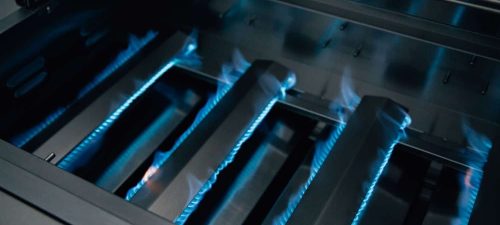 Burners
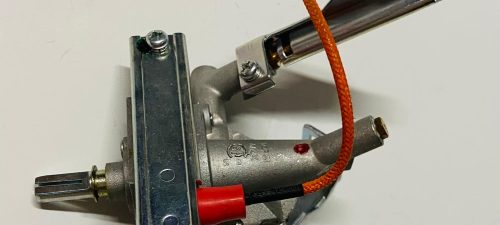 Valves
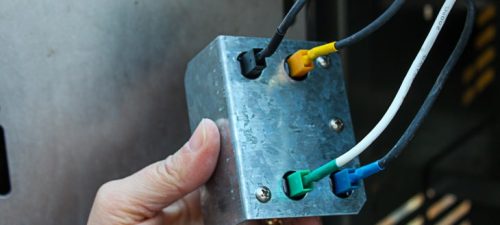 Ignition & Igniters
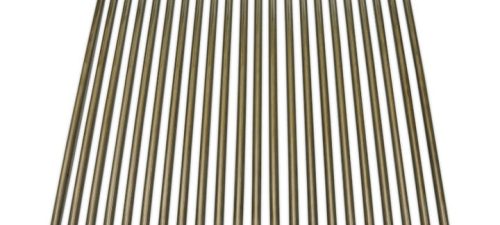 Grates
 Briquettes
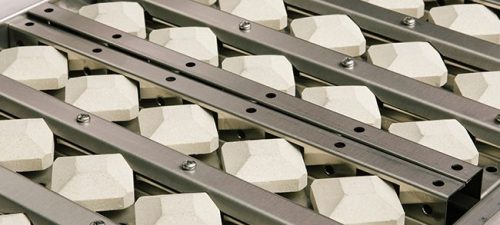 Briquette Trays
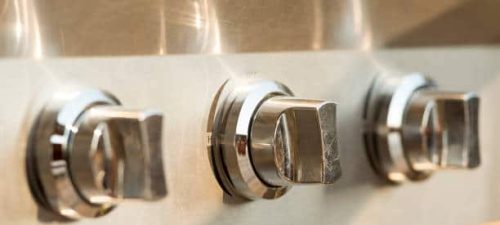 Knobs
KnobsWhatever the part, start with the right diagnosis.
From a missing clip or worn warming rack to a regulator, manifold, wiring harness or complete set of internal components, Pro Grill can help identify what your BBQ needs and determine whether cleaning, repair, parts replacement or complete grill replacement makes the most sense.