End-of-Summer Grill Cleaning: Get Your BBQ Ready for Cooler Weather
Summer may be winding down, but grilling season is not over. An end-of-summer grill cleaning removes the grease and buildup left by busy cookouts and gets your barbecue ready for some of the best grilling weather of the year.
By the end of summer, a grill may have cooked through months of burgers, steaks, chicken, vegetables and weekend gatherings. Even when the cooking grates look reasonably clean, grease, carbon and food debris can collect below the cooking surface, around the burners and inside the grease-management system.
That does not mean it is time to cover the grill and forget about it. In Southern California, Arizona and other mild-weather areas, the end of summer often marks the beginning of a more comfortable outdoor-cooking season. The hottest afternoons begin to ease, evenings become more pleasant, and many families start using their patios more often.
A thorough cleaning now gives you a cleaner, safer and better-performing grill for those cooler-weather meals.

End-of-summer cleaning is not the same as putting your barbecue into storage. It is a seasonal reset: remove the accumulation left by summer cooking, inspect the components you depend on and prepare the grill for fall gatherings, football weekends and holiday meals.
Why the End of Summer Is a Smart Time to Clean Your Grill
Most grills do not become heavily soiled after one meal. Buildup develops gradually. A little grease drips into the firebox, marinades cook onto the heat shields, small food particles fall between the grates, and carbon forms layer by layer. Because the change is slow, it can be difficult to notice how much has accumulated during a busy summer.
An end-of-summer cleaning creates a natural maintenance checkpoint. You can deal with that accumulation before it remains inside the grill for several more months or interferes with the next season of cooking.
Remove Old Residue
Old grease, burnt food and carbon should not remain beneath fresh food every time you preheat the grill.
Reduce Grease Buildup
Cleaning grease trays, drip pans and the firebox helps reduce the fuel available for flare-ups and grease fires.
Restore More Even Heat
Blocked burner openings and heavily coated heat-distribution parts can contribute to weak or uneven cooking.
Find Worn Components
Removing buildup makes it easier to see corrosion, damaged burners, failing briquette trays and other developing problems.
If your grill received especially heavy use this summer, this is also a good time to schedule a professional BBQ cleaning service. Pro Grill removes the accumulated grease and carbon that a quick brushing cannot reach and can identify visible component deterioration while the grill is being serviced.
What Builds Up Inside a Grill During Summer?
The cooking grates receive most of the attention because they are the part you see and touch. However, much of the mess created during cooking falls below them.
Depending on the grill’s design, summer buildup may collect on or around:
- cooking grates and warming racks;
- burners and burner ports;
- flame tamers, heat shields or flavorizer bars;
- ceramic briquettes and briquette trays;
- the interior hood and firebox;
- drip pans, grease trays and collection cups;
- ignition electrodes and crossover areas; and
- control-panel edges, knobs and exterior surfaces.
Sugary sauces and marinades can leave especially stubborn deposits. Grease from burgers, chicken skin and fatty cuts can pool in low areas or coat components below the grates. Wind can also carry dust and debris into an outdoor grill, particularly when it is left uncovered.
This is why turning the burners to high is not a complete cleaning method. High heat may burn some residue from the grate surface, but it does not remove grease from the tray or scrape hardened material from the firebox. Our guide on whether high heat really cleans a grill explains that difference in more detail.
Do Not Ignore a Full Grease Tray
A grease tray is designed to collect runoff, not store an entire summer’s worth of it. If it is overloaded, grease can spill, attract pests and provide fuel for a fire. Let the grill cool completely, shut off the fuel according to the manufacturer’s instructions and inspect the accessible grease-collection parts regularly.
Cooler Weather May Mean You Use Your Grill More
In many parts of Pro Grill’s service area, summer heat can make standing in front of a hot barbecue less appealing. Once temperatures begin to fall, the patio becomes comfortable again. That can mean more weeknight grilling, longer outdoor gatherings and more time entertaining around an outdoor kitchen.
Fall also brings its own grilling occasions: football games, school gatherings, weekend get-togethers, Halloween parties and the beginning of holiday entertaining. Larger meals place more demand on the grill, particularly when every burner and every section of the cooking surface is needed.
Cleaning before that activity begins is much easier than discovering a grease problem, weak burner or failed igniter when guests are already arriving.

Start Cooler-Weather Grilling With a Professionally Cleaned BBQ
Pro Grill can deep clean your barbecue, remove stubborn summer buildup and inspect accessible components for visible wear. Schedule service before fall gatherings fill your calendar.
End-of-Summer Grill Cleaning Checklist
Always follow the cleaning and maintenance instructions for your specific grill. Materials and component designs vary, and the wrong cleaner or tool can damage stainless steel, porcelain coatings, ceramic briquettes or ignition components.
Areas to Inspect and Clean
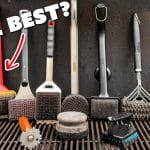
- Brush and clean the cooking grates using tools suitable for the grate material.
- Empty and clean accessible grease trays, drip pans and collection cups.
- Look for heavy deposits on heat shields, briquettes and trays.
- Check visible burner openings for obstruction without enlarging or damaging them.
- Inspect accessible igniter electrodes and wires for visible damage.
- Wipe the exterior with a cleaner appropriate for its finish.
- Allow cleaned components to dry completely before reassembly or use.
- Check the grill cover and surrounding outdoor-kitchen area for trapped debris or pest activity.
Clean the Grates, but Do Not Stop There
Cleaning the grates after cooking is an important habit, but it addresses only the top layer of the grill. For material-specific advice, see our guide to cleaning stainless steel, cast-iron and porcelain-coated BBQ grates.
Pay Attention to the Grease-Management System
Grease that reaches the tray or cup is doing exactly what the grill was designed to make it do. The problem begins when those parts are allowed to overflow or when hardened deposits redirect grease somewhere it was not intended to go. Read more about why grease buildup is a serious grill risk.
Look for Changes in Flame and Heat
Cleaning is also an opportunity to notice how the grill is operating. Weak heat, large yellow flames, uneven flame patterns, delayed ignition or a burner that will not light may indicate more than ordinary dirt. Visit our guides if your gas grill is not getting hot, your gas grill flame is yellow, or your grill will not light.
DIY Cleaning Versus Professional BBQ Cleaning
Routine homeowner care and professional deep cleaning serve different purposes. After each use, you can remove fresh food residue from the cooking surface and periodically empty the grease collection system. Those small habits help prevent buildup from getting out of control.
A professional cleaning is intended to go further. At Pro Grill, we work beyond the visible grate surface to remove accumulated grease and carbon from the interior and serviceable components. We use professional equipment, non-toxic cleaning products and 212°F steam as part of our cleaning process.
Professional service is particularly helpful when the grill has been heavily used, has not been deeply cleaned for a long time, has substantial grease deposits, or is part of a premium built-in outdoor kitchen where replacement components can be costly.
Signs It Is Time to Call Pro Grill
You may be ready for professional end-of-summer grill cleaning if:
- the grill smoked heavily during ordinary preheating;
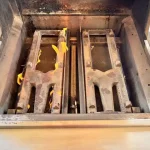
- grease or carbon is visibly layered inside the firebox;
- flare-ups have become more frequent;
- food develops stale or burnt flavors;
- the grill heats unevenly or takes longer to preheat;
- the grease tray is difficult to remove or heavily coated;
- you can no longer clearly inspect the burners and heat shields; or
- you want the grill checked before a busy fall entertaining season.
Cleaning cannot repair a failed component, but it can expose problems hidden by buildup. If we find that the grill also needs service, Pro Grill provides professional grill diagnosis and repair for many major freestanding and built-in BBQ brands.
Should You Cover the Grill After Summer?
A properly fitted cover can protect a grill from dust, leaves and weather, but the grill and cover should be dry before the cover is installed. Trapping moisture against metal surfaces can contribute to corrosion. A cover also does not replace cleaning; covering a greasy grill simply hides the buildup.
If you expect to keep cooking through fall, keep the grill clean, dry and ready rather than treating it as though the season has ended. If you truly plan to stop using it for an extended period, follow the manufacturer’s storage instructions and see our separate guide to cleaning your barbecue for winter.
Do Not Wait Until the First Fall Cookout
The best time to discover that a grill needs attention is before you need it. An end-of-summer cleaning clears away the remains of the busiest cooking months and gives you a chance to address wear before it becomes a larger problem.
More importantly, it keeps the grill available for the season ahead. Cooler weather does not end grilling season—it may make outdoor cooking more enjoyable than it was during the hottest part of summer.
Ready for an End-of-Summer BBQ Cleaning?
Let Pro Grill handle the deep cleaning so your barbecue is ready for cooler evenings, fall gatherings and the next meal outside. Book professional BBQ cleaning or contact our team to discuss your grill.
Related Grill-Care Resources
End-of-Summer Grill Cleaning FAQ
Should I clean my grill at the end of summer?
Yes. If the grill received regular summer use, a seasonal cleaning can remove accumulated grease, food debris and carbon before fall cooking begins. It is especially important to inspect and empty the grease-management system.
Is grilling season over when summer ends?
No. In mild climates, cooler fall temperatures can make outdoor cooking more comfortable. End-of-summer cleaning prepares the grill for continued use rather than putting it away.
How often should a grill be professionally cleaned?
The right interval depends on how often you cook, what you cook and how quickly grease accumulates. Many regularly used grills benefit from professional cleaning once or twice a year, while heavily used grills may need attention more often.
Can I clean a grill by turning it on high?
High heat may loosen or burn some residue on the grates, but it does not remove grease from the tray, firebox or components beneath the cooking surface. It is not a substitute for physical cleaning.
Can professional cleaning fix a grill that is not working?
Cleaning may resolve problems caused by certain types of buildup or obstruction, but it cannot repair a failed igniter, damaged burner, valve or regulator. Pro Grill can evaluate whether the grill needs cleaning, repair or both.
How do I book a professional BBQ cleaning?
Visit Pro Grill’s BBQ cleaning service page, call 1-800-860-6758, or text 1-888-418-4226 to discuss service and scheduling.