
How to Control Grill Heat and Stop Flare-Ups
Flare-ups are almost always a grease problem, a burner or heat tent problem, or fatty food over a hot flame. Here is how to bring the heat down mid-cook and what keeps them from coming back.
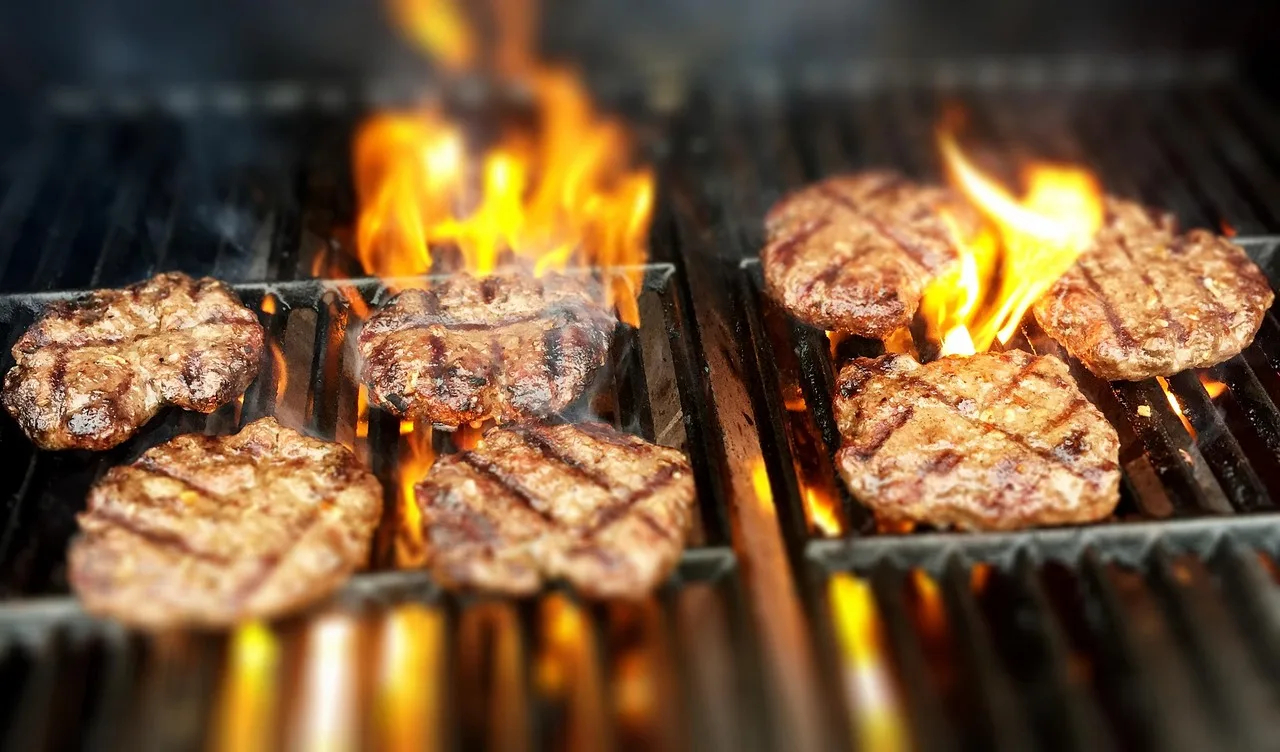
To stop a flare-up mid-cook, move the food off the flames, turn the burners down, and close the lid for a minute or two. Don't spray water on it. To keep flare-ups from coming back, clean out the grease, check that your heat tents (the metal pieces over the burners) are intact, and make sure the burner ports are clear. Most flare-ups trace back to one of those, or to fatty food sitting right over a hot flame.
The Lansing State Journal ran a story on November 11, 2026, titled How to master your grill's heat and prevent flare-ups. We're not repeating that piece here. What follows is what we see on service calls, written the way we'd explain it standing at your grill.
Why a grill flares up
A flare-up is grease or fat catching fire. Fat drips off the food, hits something hot, and ignites. Three things make that happen more often than it should.
- Grease buildup. Old grease on the firebox walls, the grease tray and the heat tents is fuel. A little drip from tonight's burger lands on last month's grease and the whole area lights.
- Burner and heat tent problems. Heat tents are meant to catch drippings and vaporize them before they reach the burner. When they're warped, rusted through or missing, grease drops straight onto the flame. Clogged burner ports cause tall, uneven flames that reach up to the food.
- Fatty food over a hot flame. Chicken thighs with the skin on, sausages, ribeyes and burgers shed fat fast, and the hotter the grill, the faster it ignites.
It's usually a combination. A grill with a dirty firebox and a tired heat tent flares up on a ribeye. A clean grill with good parts handles the same steak fine.
What to do the moment flames jump
Stay at the grill. Don't walk away to find tongs.
- Move the food. Slide it to a part of the grates with no flame underneath. If you set up a cool zone before you started, this takes two seconds.
- Turn the burners down or off. Less heat means less fat vaporizing and igniting.
- Close the lid for a minute or two. With the burners low, the flames inside die back quickly. Keep your face and arms back when you open it again.
- Don't use water. Water on burning grease can spatter it and spread the fire. It also isn't good for hot stainless and cast iron.
- Turn off the gas at the tank or supply line if flames don't die back or you see fire coming from under the grill, around the hose or near the regulator. Step away and call 911 if it's growing.
Keep a class B or multipurpose extinguisher within reach of the grill, not in the garage. If someone does get burned, read Grill Burns and Flare-Ups: What to Do in the First Minutes.
If you smell gas at any point, turn the gas off and call a pro. Don't try to light anything.
Controlling heat while you cook
Most flare-ups can be prevented by how you set up the grill.
- Set up two zones. Run the burners on one side higher and leave the other side off or low. Sear on the hot side, and finish or park food on the cool side. This is the single best habit for heat control.
- Trim excess fat. Leave a thin edge for flavor, but take off thick chunks. Pat marinades off meat before it goes on, since oil dripping off is the same as extra fuel.
- Add sugary sauces late. They burn and flare at the end of the cook. Brush them on during the last few minutes.
- Lower the burners for fatty cuts. Chicken thighs and sausages do better at medium or medium-low than at full blast. If you want to understand what your grill's numbers should be, see How Hot Should a Gas Grill Get?
- Don't let food hang over the edge. Drips that miss the grate and land on a burner or tent edge can ignite.
The cleaning that keeps flare-ups from coming back
If your grill flares up regularly, no amount of technique will fully fix it. Do this with the grill cold and the gas off.
- Empty the grease tray and cup. Replace the liner if you use one. A full tray is a problem waiting to happen.
- Pull the grates and heat tents. Scrape and wipe them. Look at each tent for holes, heavy rust or warping. Brush the grates while you're at it. Our guide to cleaning BBQ grates covers stainless and cast iron.
- Scrape the firebox. Use a plastic or wooden scraper on the walls and floor, then vacuum or wipe out loose debris. Heavy grease and carbon is what feeds flare-ups, and it's what to remove.
- Clear the burner ports. Use a soft brush along the burner tube. For a stubborn port, a straightened paper clip works. Don't enlarge the openings. Skip steel wool near burners.
- Look at the flame. Relight and check for blue flames with small yellow tips, burning evenly along the burner. Tall yellow flames or one dead section means a clog or burner issue. Our article on yellow flames goes through what the color means.
Grease buildup is also a safety issue beyond flare-ups. We covered that in Why Grease Buildup is a Serious Risk for Your Barbecue.
When cleaning isn't enough
Cleaning removes the fuel. It doesn't repair worn parts. If the heat tents are rusted through, the burners are corroded, or the igniter has failed, those need replacing. A cleaning also isn't a promise a grill will look new or that a problem needing repair will go away.
The parts we see fail most often are briquette trays and heat tents, then igniters, then burners. Parts diagrams by brand are at progrill.com/parts/, and you can order what you need from the Pro Grill parts store.
Costs vary a lot by brand. We sell parts for Lynx grills, though we don't sell Lynx grills themselves. A typical Lynx burner runs over $500, and igniters can be as much as $60 each. A ProSear burner is over $700. Labor for installing parts typically runs $200 to $500, depending on how complex the parts are to get to and swap.
For higher-end grills, we usually recommend replacing parts when the firebox is in good shape. People with Lynx and similar grills tend to love them and want to keep using them, and a new burner or tent set is often the right call.
Holes in the firebox
If you find a hole in the firebox, stop using the grill. We don't recommend welding or patching a firebox, and we don't do it. Read Holes in Your Grill's Firebox: Stop Using It and Call a Pro before you cook on it again.
What a Pro Grill visit looks like
A professional visit to inspect and diagnose a grill is $199. If you do any needed work with us, we give 50% of that back. A deep clean generally takes 2 to 4 hours and is done at your home. It includes:
- Firebox: scraping, vacuuming, degreasing and steam cleaning of built-up grease and carbon in applicable interior areas.
- Grates: detailed cleaning to remove grease, burnt food and buildup, with care for the material and its condition.
- Burners: accessible burners cleaned and debris cleared from around the burner openings to help support more even flames.
- Briquette trays and flavorizer bars or similar heat-distribution parts, cleaned where applicable.
- Warming racks and other cooking surfaces.
To check if we serve your area, see our locations page. Outside our service area, you can find an insured grill pro at progrill.com/find/. You can also call 800-860-6758 or text 888-418-4226.
Find your model on our parts diagrams, tap the part, and order it, or text a photo of the rating plate to 888-418-4226.
FAQ
How do you stop a flare-up on a gas grill?
Move the food to a spot with no flame under it, turn the burners down or off, and close the lid for a minute or two. Don't spray water on burning grease. If flames don't die back, turn off the gas at the tank and step away.
Why does my grill flare up so much?
Usually it's old grease in the firebox and on the heat tents, worn or missing heat tents that let drippings hit the burners, or fatty food over a high flame. Cleaning and checking those parts fixes most cases.
Can I put water on a grill flare-up?
No. Water can spatter burning grease and spread the fire. Turn down the heat, move the food and close the lid instead.
Do heat tents help prevent flare-ups?
Yes. They sit over the burners and catch drippings before they hit the flame. When they're rusted, warped or have holes, grease reaches the burner and flares up, so replace them when they wear out.
Will a professional cleaning stop my grill from flaring up?
It removes the grease and carbon that feed flare-ups and clears the burner openings. It won't fix worn parts like rusted heat tents, failed igniters or bad burners, which need repair or replacement.
More troubleshooting
See all →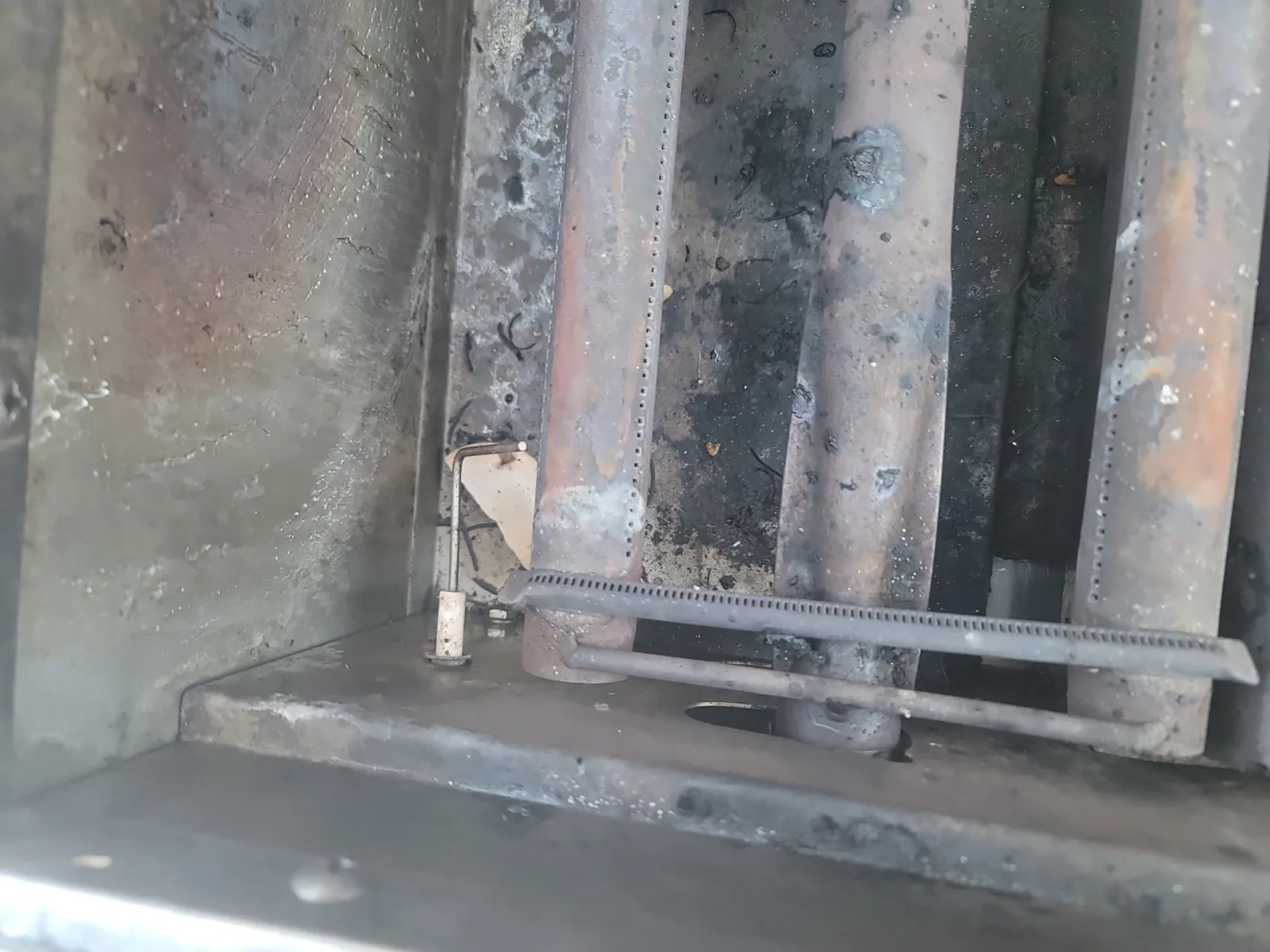
When to Replace Your Grill Burner: A Tech's Checklist
Most burner complaints are dirt or adjustment. Here is how to tell those from a burner that is actually worn out, and what replacing one involves.
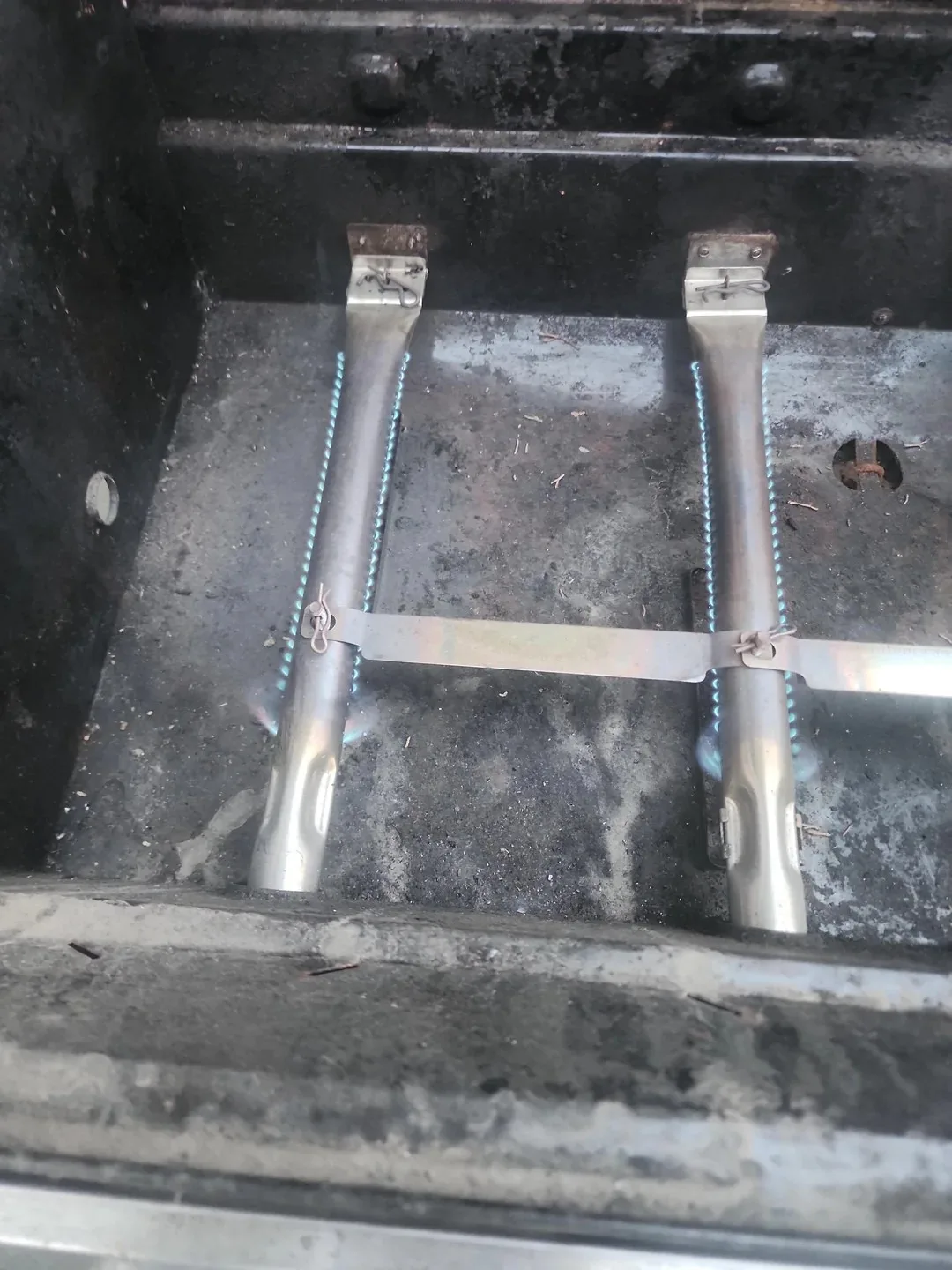
Grill Not Getting Gas With a Full Propane Tank? What to Check
A full tank and no flame usually points to the regulator's flow limiter or a hose problem, not an empty tank. Here is how to check each part in the o…
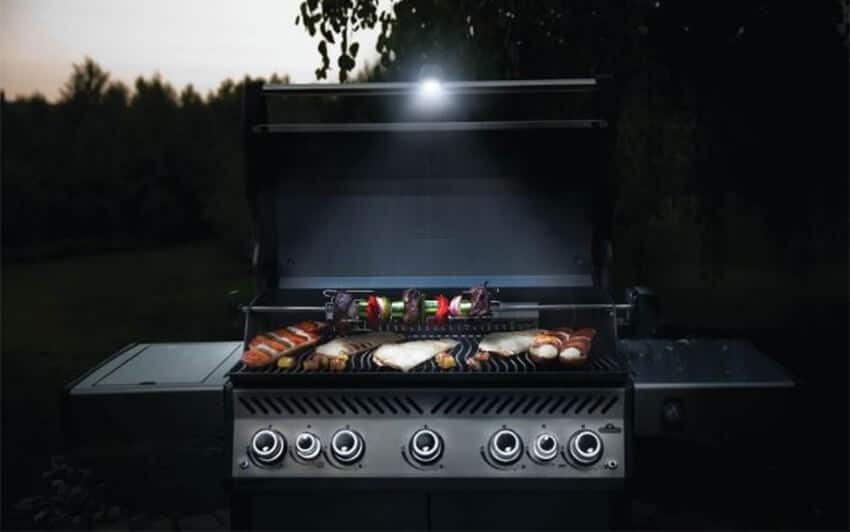
Gas Grill Keeps Going Out? 9 Reasons Your Grill Won’t Stay Lit
A grill that lights then dies is getting enough gas to start but not to stay stable. Here are nine common causes, with signs to help you narrow down …