


Why Get a BBQ Grill Inspection?
A grill does not have to stop working completely before something needs attention. Burners wear, ignition components fail, grease collects below the cooking surface and internal parts can deteriorate while the BBQ still lights and cooks.
A professional grill inspection gives you a better idea of what is happening before you start buying parts, paying for repairs or replacing the entire barbecue.
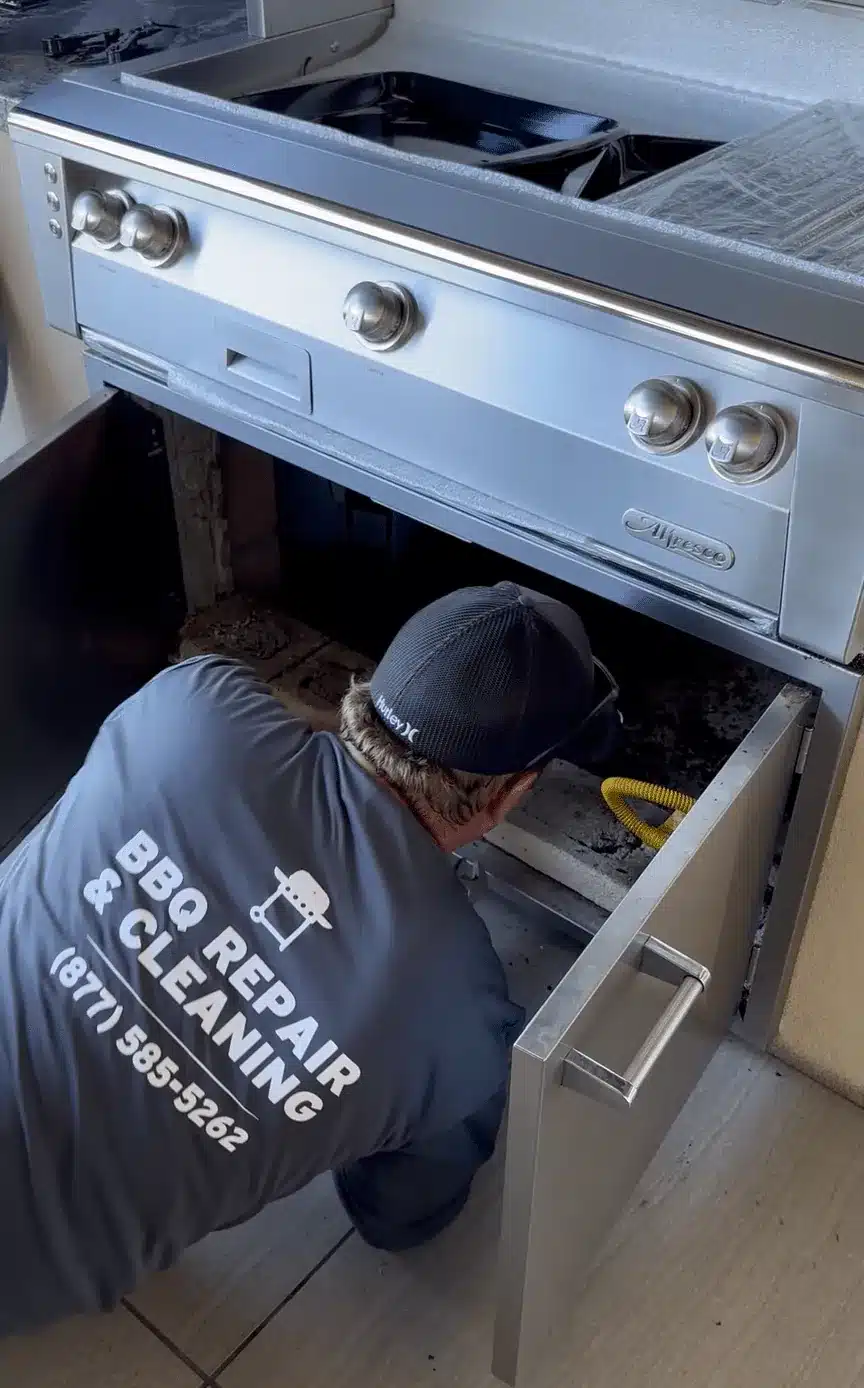
Get Answers Before You Start Replacing Parts
One of the easiest ways to spend unnecessary money on a grill is to start replacing parts before the actual problem has been identified.
A grill that will not light can have an ignition problem, but it can also involve a burner, valve, regulator, gas supply or another component. A grill that will not get hot enough can have several possible causes as well.
That is why diagnosis matters. Instead of guessing which component to replace, a professional grill inspection gives us an opportunity to evaluate the BBQ and determine what deserves attention.
If you are ready to have your grill professionally evaluated, visit our BBQ grill inspection service for appointment information.
How Much Does a Professional Grill Inspection Cost?
Pro Grill's standard professional inspection visit is normally $199. As part of our current BBQ promotion, the inspection is currently discounted to $149.
What Are You Paying For?
You are not paying someone simply to stop by and look at the outside of your BBQ.
When Pro Grill schedules an inspection, time is reserved for a professional grill technician to travel to your property and evaluate the barbecue where it is installed.
The technician works through the concern that brought you to us, evaluates applicable components and helps determine whether the grill needs cleaning, repair, replacement parts or a different next step.
That appointment requires technician time, professional experience, a service vehicle, travel to the property, scheduling and the equipment needed to properly evaluate outdoor cooking equipment.

Sending a Professional Technician to Your Home Is the Service
We understand why someone may ask whether a technician can simply stop by for free and take a look at the grill.
The important distinction is that determining what is wrong with the BBQ is not just an estimate. It is professional diagnostic work.
When an inspection is scheduled, a technician is assigned to the appointment. The technician drives a service vehicle to the customer's home, works through the symptoms, evaluates accessible components and uses experience with grills and outdoor cooking equipment to determine what the BBQ may need.
That time could otherwise be used performing a cleaning or repair appointment. Charging an inspection fee allows us to dedicate real technician time to the evaluation instead of treating the appointment as a sales call.
We think that is more straightforward: the customer knows what the professional inspection costs before the visit is scheduled.
There Is a Difference Between Quoting Work and Finding the Problem
A free estimate makes sense when the customer already knows what they want. Diagnosis is different.
“I Need a New Grill”
If you already know you want to replace an existing BBQ, the conversation is about measurements, replacement options and installation—not diagnosing a mystery problem.
“My Grill Doesn't Work”
When the problem is unknown, someone must determine why the BBQ is not operating correctly. That evaluation is professional diagnostic work.
“Is This Worth Fixing?”
Answering this properly may require looking at more than one failed part. The overall condition of the BBQ and parts availability can also matter.
A BBQ Is a System of Parts
The part causing the symptom is not always the part a customer first suspects.
A gas grill depends on several systems working together. Burners create the flame. Valves control gas flow. Ignition components provide a way to light the burners. Briquettes, trays or other radiant components distribute heat across the cooking surface.
When one of those systems changes, the symptom can show up somewhere else.
For example, a grill that will not light does not automatically need a new igniter. A grill that will not get hot does not automatically need new burners.
The purpose of the inspection is to work from the symptom toward the cause rather than buying parts based on an assumption.
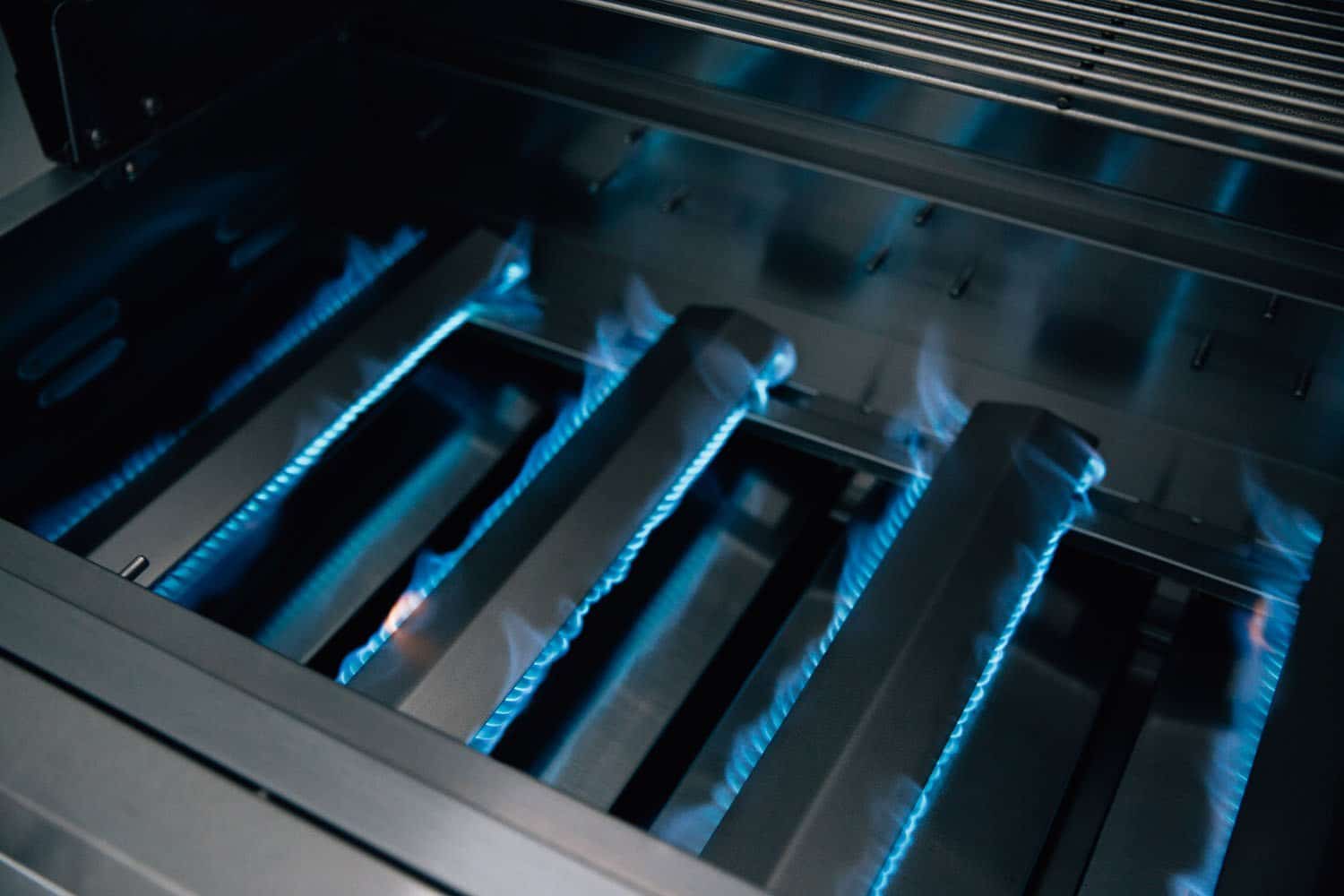
A BBQ Can Still Light and Need Attention
Grill problems do not always begin with a complete failure.
Burners Wear Gradually
Burner ports can clog, metal can deteriorate and flame patterns can change. The grill may continue operating while its performance slowly declines.
Ignition Can Become Unreliable
A grill may still ignite but require repeated clicking or several attempts. That change can be a reason to have the system evaluated.
Heat Can Change
Weak heat, hot spots and uneven temperatures may develop slowly enough that the owner becomes used to the grill performing differently.
Most of the Important Parts Are Below the Cooking Grates
The cooking grates are the part of a BBQ most owners see regularly. Many of the components that control ignition, flame and heat are underneath.
Depending on the grill, that can include burners, ignition electrodes, ceramic briquettes, briquette trays, heat shields, the firebox and other components.
Grease and carbon can also collect beneath the cooking surface. The grill can therefore look acceptable from above while the condition underneath tells a very different story.
When Should You Consider a BBQ Inspection?
You do not have to diagnose the problem yourself before scheduling an inspection.
Repeated ignition problems can involve electrodes, wiring, ignition modules, burners or other components.
A noticeable loss of heat can involve burners, valves, regulators, gas flow or other components.
Uneven temperatures can point to burner or heat-distribution components that need attention.
Visible wear on one component may be a reason to look more closely at the remainder of the grill.
A grill that has not been used for a long time may be worth evaluating before putting it back into regular service.
This happens frequently when someone purchases a home with an existing built-in grill.
You Bought a House and the BBQ Came With It
The grill came with the property. Its maintenance records probably did not.
You Do Not Know Its Age
A built-in grill can sometimes look much newer or older than its actual age, especially if exterior stainless steel has been maintained.
You Do Not Know What Was Repaired
Previous owners may have replaced burners, ignition components or other parts—or they may never have serviced the grill at all.
You Need a Starting Point
Before paying for cleaning, ordering parts or replacing a built-in grill, it can make sense to determine what you actually have.
BBQ Cleaning vs. Inspection vs. Repair
The best starting point depends on what you already know.
BBQ Cleaning
Professional BBQ cleaning focuses on grease, carbon and cooking residue, including applicable areas beneath the cooking surface.
Grill Inspection
A professional grill inspection helps determine the condition of the BBQ before you commit to cleaning, repairs, parts or replacement.
BBQ Repair
Professional BBQ grill repair addresses operating and component problems after the issue has been identified.
Common BBQ Components That Wear Out
Many grill problems can be corrected by servicing individual components rather than replacing the entire BBQ.
The Symptom Does Not Always Tell You Which Part Failed
If an igniter clicks but the grill does not light, it is tempting to assume the igniter needs to be replaced. Sometimes it does. Other times the spark is occurring in the wrong place, a burner has a problem or another part of the system is involved.
The same applies to low heat. Replacing burners may not solve the problem when the actual cause is elsewhere.
This is another way to look at the inspection fee. Spending $149 to properly evaluate a grill may help avoid ordering hundreds of dollars in parts that do not fix the actual problem.
An Inspection Can Help Before You Make a Bigger Decision
Sometimes the question is not just which component has failed. It is whether continuing to repair the grill makes sense.
The Grill May Be Worth Repairing
A quality built-in BBQ with a solid structure and available replacement components may still have years of useful service remaining.
Several Repairs Can Add Up
If burners, trays, ignition components, grates and other parts all need replacement, the overall repair decision can change.
Replacement Is a Bigger Purchase
A built-in replacement must work with the existing outdoor kitchen, dimensions and installation. It is worth knowing whether replacement is truly necessary first.
An Inspection Does Not Automatically Mean a Major Repair
The purpose is to understand what the grill needs and make a more informed decision.
The BBQ may simply need continued maintenance or monitoring.
Grease and carbon buildup may be the main condition that needs attention.
Burners, ignition components, trays or another serviceable part may need work.
For some older or heavily deteriorated grills, replacement may make more sense.
Normally $199. Currently $149.
As part of our current BBQ promotion, save $50 on a professional Pro Grill inspection visit.
What If You Smell Gas Around the Grill?
A gas smell is different from a grill that simply needs routine maintenance. If you suspect a gas leak or another immediate fuel-related issue, stop using the grill.
Do not repeatedly attempt to ignite the BBQ to see whether the problem goes away. Shut off the gas supply when it is safe and practical to do so and have the problem evaluated before using the grill again.
An inspection can evaluate accessible grill components and help determine what requires further attention or repair.
How Often Should a BBQ Be Professionally Inspected?
There is not one inspection schedule that makes sense for every grill.
Usage
A BBQ used several times each week experiences more heat cycles, grease and component wear than one used occasionally.
Age
Older grills may have several individual components approaching the end of their usable life.
Environment
Moisture, outdoor exposure and coastal conditions can contribute to deterioration over time.
Maintenance History
A BBQ that has not been professionally cleaned or inspected in years may deserve a closer look.
Sometimes Professional Cleaning Is the Better Starting Point
If you already know the main issue is heavy grease, carbon and cooking buildup, professional cleaning may make more sense than scheduling a standalone inspection.
During a deep cleaning, applicable parts are removed and accumulated buildup is cleared away. That can make burners, trays, electrodes and other components easier to visually evaluate.
Pro Grill's cleaning service includes inspection and diagnosis during the cleaning visit. If your grill mainly needs to be cleaned, that can be the more efficient starting point.
If your question is whether the grill is even worth cleaning, whether it needs major repairs or whether replacement should be considered, a standalone grill inspection makes more sense.
Frequently Asked Questions
How much does a Pro Grill BBQ inspection cost?
Why does a BBQ inspection cost money?
Why doesn't Pro Grill provide free diagnostic visits?
Is $149 the normal inspection price?
Why should I get my BBQ inspected?
Does my grill need to be broken before it is inspected?
Should I inspect a BBQ that came with a house I purchased?
Is a grill inspection the same as BBQ repair?
Is an inspection the same as professional grill cleaning?
Should I order replacement parts before an inspection?
Can an inspection help determine whether I should replace my grill?
What if I smell gas?
How do I schedule the $149 promotional inspection?
Not Sure What Your Grill Needs?
Have a professional Pro Grill technician come to your property, evaluate the BBQ and help determine whether the next step is cleaning, repair, replacement parts or a new grill.