
Mobile service
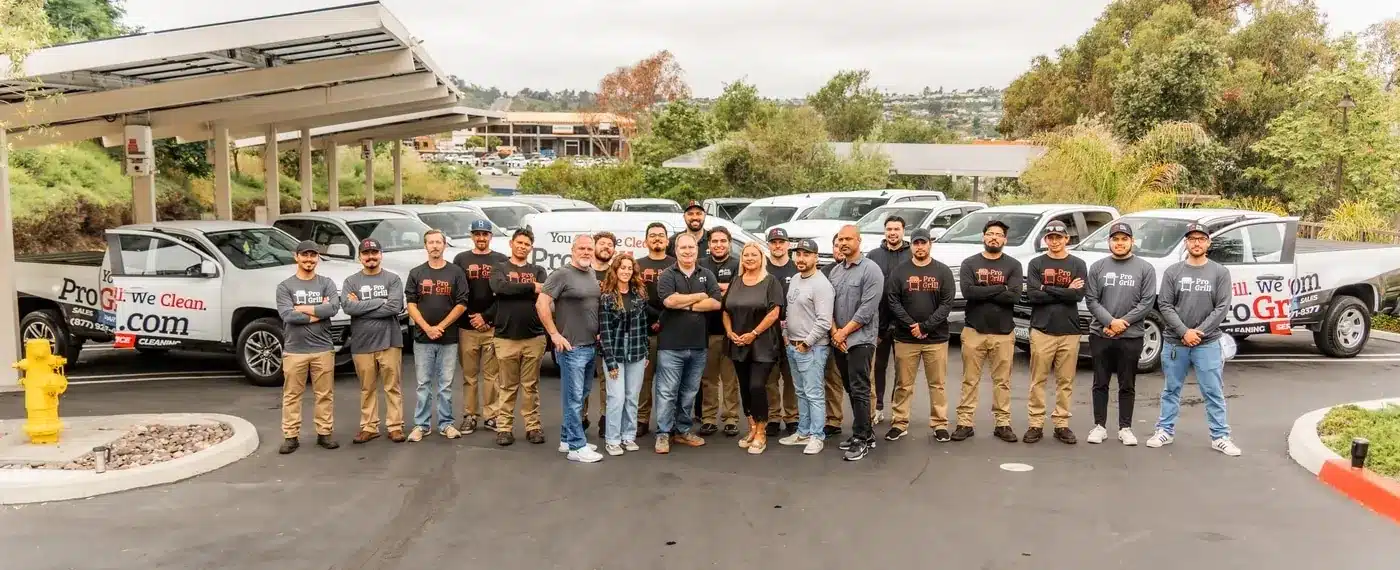
We come to you in Rowland Heights
A Pro Grill technician drives to your house with the tools and the most common parts already on the truck. Cleaning and repair happen where the grill is: on the patio, beside the garage, or in the island in the backyard. Nobody has to wrestle a greasy grill into a trunk or scrub a firebox in the driveway.
We work across Rowland Heights, including the Pathfinder Road, Fairway Drive, Colima Road, Fullerton Road, Nogales Street, Walnut Drive and Otterbein Avenue areas and the streets in between. If your street isn't on that list, ask when you book. Chances are we are already nearby.
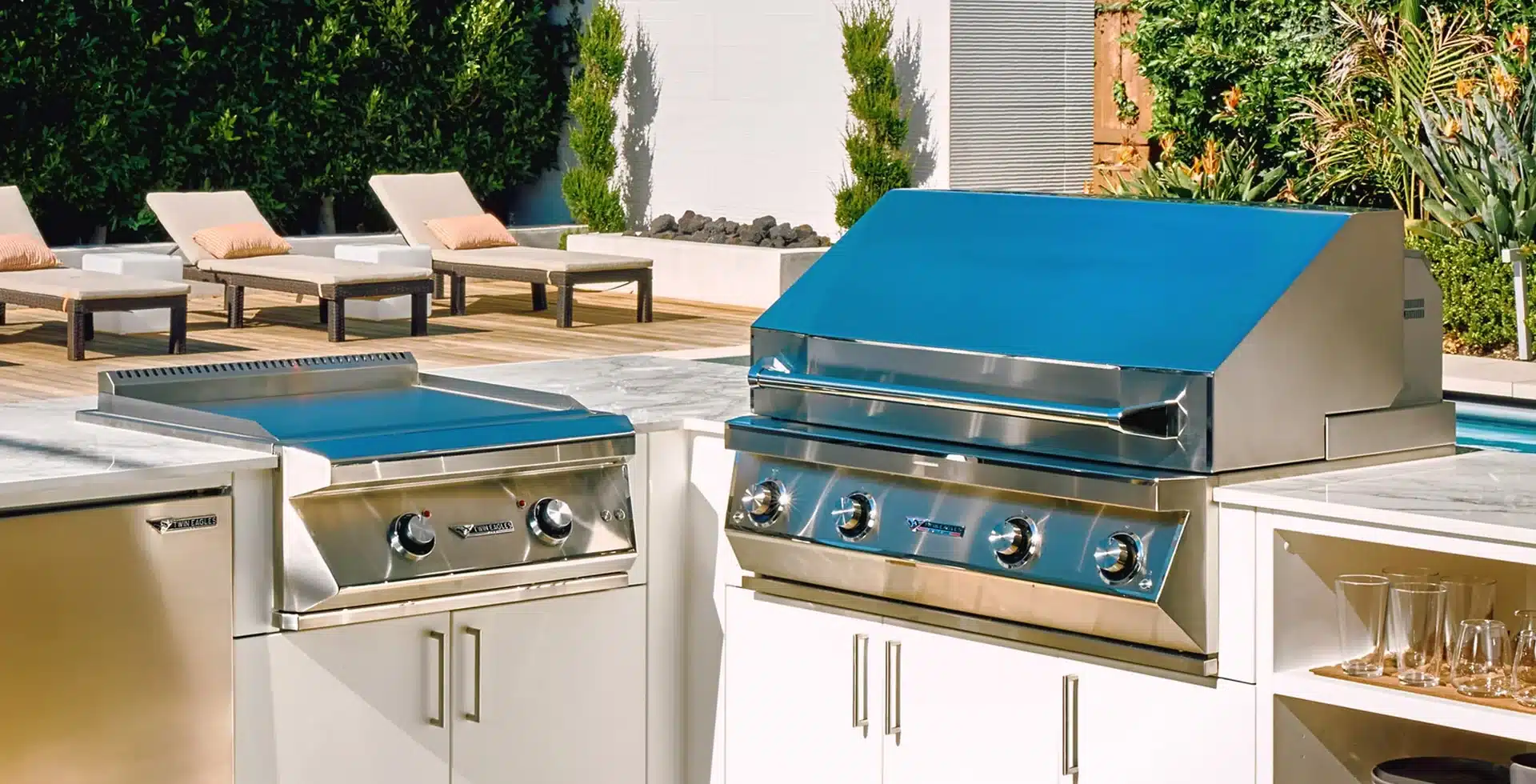
Built-in grills are the easiest case for us. You can't haul a grill that is set into masonry, so a visit at the house is the only practical way to get it cleaned or fixed.
Pro Grill has been at this since 2018 and has serviced over 25,000 grills. The team has 50+ years of combined grill experience, and we are insured. We also have 2,500+ five-star reviews (Google, Yelp and Facebook).
Deep cleaning
Deep grill cleaning, start to finish
A deep clean is not a quick scrape of the grates. We take the grill apart, clean each piece, and put it back together so it lights and cooks the way it should. A typical visit covers:
- Cooking grates, scrubbed and cleared of baked-on carbon
- Burners, cleaned and checked for clogged ports and thinning metal
- Heat plates or flavorizer bars, cleaned or flagged for replacement
- Briquette trays and briquettes
- Firebox, scraped out from the top ring to the bottom
- Drip tray and grease management, emptied and cleaned so grease has a clear path out
- Igniter electrodes, cleaned so the spark is strong and lands in the right place
- Hood interior and the outside stainless, cleaned and wiped down
- Cleanup of our work area when we're done
Buildup is more than an eyesore. Old grease and carbon feed flare-ups, and they block burner ports, which gives you hot spots and cold spots across the grates. Moisture trapped under that crust speeds up rust, and burners that sit in it rot out from the outside in. A cleaning won't undo damage that is already done, but it stops the next round from starting.

Start with the symptom
BBQ repair: the problems we fix most
Most grill trouble comes down to a handful of parts. We repair burners, valves, igniters, grates, briquettes, heat plates, knobs and regulators on gas grills, and these are the calls we get most.
Igniter clicks but the grill won't light
Usually a dirty or misaligned electrode, a dead module, or a wire that has worn through. Sometimes the gas never reaches the burner at all, which is a different repair.
Low heat or a grill that never gets hot
A regulator that has tripped or failed is a common cause. Clogged burner ports and a bad hose connection show up the same way.
Uneven or yellow flames
Blocked ports, debris in the venturi tubes, or a burner that has warped will do it. Yellow, lazy flame means the burner isn't mixing air and gas properly.
Burners rusted through
When you can see holes or flakes, or flames shoot from the wrong places, the burner is finished. We replace it with a correct-fit part.
Sticking or leaking valves
A knob that is hard to turn or won't shut off cleanly needs attention before the next cookout. We test the valve and fix or replace it.
Worn or broken grates
Chipped porcelain, bent rods and heavy rust cut into how food sears and sticks. New grates are one of the quicker repairs that make a visible difference.
Briquette trays and heat shields
These take the drips and the heat, so they burn out first. When they go, grease reaches the burners and flare-ups follow.
Ignition modules, rotisserie motors and lights
Battery boxes, spark modules, rotisserie motors and control-panel lights all fail eventually. Most are straightforward swaps once we confirm that is the actual problem.
Repair it right
We diagnose before you buy parts
The same symptom can come from different causes. A grill that won't light might need a new igniter, or it might have a spider nest in a tube or a regulator that has quit. Guessing means buying parts you don't need, so we check first and tell you what we find.
To speed things up, take a photo of the label with the model and serial number and send it when you book. It is usually on the frame, inside a cabinet door, or on the back of the grill. With that, we know the brand and year before we arrive.
Our truck carries parts for most brands. If your grill needs something we don't have on board, built-in parts are also available at store.progrill.com, and we can order what the repair calls for.
Built-ins & outdoor kitchens
Built-in grills and outdoor kitchens in Rowland Heights
When one part fails on a built-in, repair is usually the better choice. The island, the cutout and the gas line are already in place, and swapping a burner or valve costs far less than tearing out masonry. Replacing the whole grill makes sense only when the firebox itself is shot or parts are no longer made.
We also design, fabricate and repair outdoor kitchens. That covers new islands, countertop and cabinet work, access doors, and fixing what has worn out in an existing setup.
Our work isn't limited to gas grills. We service smokers, griddles, pizza ovens, fireplaces and fire pits too, so one call covers most of what's in your backyard.
Inspections & maintenance
Inspections and regular maintenance
A grill inspection is a full check of the gas connections, burners and ignition, plus the hood, grates and grease system. You get a written report listing what is fine, what is wearing, and what needs work. It is useful if you are buying or selling a home, or if you have an older grill and want to know where it stands.
For cleaning, most homes do well with a visit every 6 to 12 months. If you grill several times a week, or you cook fatty cuts that throw a lot of grease, plan on the shorter end.
The Protection Plan is a membership for scheduled cleanings. We come on a set rhythm, so you don't have to remember when the last one was.
Wear and tear
What wears grills out in Rowland Heights
Rowland Heights is inland, well away from the coast, so salt air isn't the problem here. Heat is. Long, hot stretches bake grease onto grates and firebox walls until it is hard as varnish, and it holds moisture and ash against the metal.
Dust and spiders are the other regular trouble. Spiders like the venturi tubes, and a nest there causes yellow flames, weak heat, or flame rolling back toward the knobs. A cover and a periodic check of the tubes go a long way.
When it's time to replace
When a new grill makes more sense
Some grills are past fixing. The firebox has rusted through, parts are discontinued, or the repair would cost more than the grill is worth. When that happens we say so plainly.
If you decide to replace, we measure the cutout or the space, sell you a new grill that fits, install it, and haul the old one away. For built-ins, measuring first matters, because a grill that is half an inch too wide won't drop into the island.
What to expect
What a visit looks like
- You book a time and send the model and serial number photo if you can.
- The technician arrives, looks over the grill, and tells you what they see.
- We clean, repair, or both, working at the grill with a drop cloth under our tools.
- We test ignition, flame and valves before we call it done.
- We clean up our work area and go over what we did and what to watch for.