


BBQ Ceramic Briquettes: Cleaning, Problems & Replacement
Ceramic briquettes sit between the burners and cooking grates on many premium gas grills. They help manage and distribute heat, interact with drippings, and are an important part of how the grill cooks. Over time they can become coated with grease, carbon and food residue, crack, crumble or simply reach the point where replacement makes more sense than continued cleaning.
Pro Grill cleans and evaluates ceramic briquettes during applicable professional BBQ cleaning services. We remove accessible briquettes and trays, clean the system according to its condition, inspect the components underneath and advise customers when briquettes or their supporting trays appear deteriorated or need replacement.

Why do gas grills use ceramic briquettes?
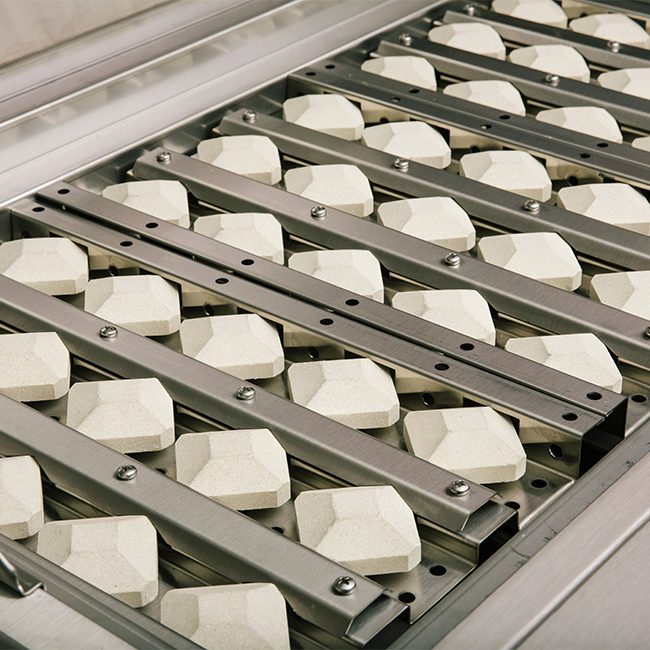
A burner creates flame, but the cooking system still needs to manage that heat before it reaches your food. On grills designed around ceramic briquettes, the briquettes and their supporting trays form a heat-distribution layer between the BBQ burners and cooking grates.
As the grill heats, the ceramic material absorbs and radiates heat. The system can help reduce harsh direct exposure to burner flames and spread heat across the cooking area. Drippings from food also land on this heat-distribution layer, which is why briquettes can become heavily coated after repeated cooking.
The exact engineering varies by grill. Briquette size, shape, spacing, tray design, burner arrangement and distance from the cooking grid are part of the manufacturer's cooking system. That is why replacing original briquettes with an arbitrary material or simply filling every available space with ceramic pieces is not necessarily an improvement.
Signs your ceramic briquettes need attention
Briquettes operate in an extremely demanding environment. They repeatedly heat and cool, receive grease and marinades, and may remain outdoors in humid or coastal conditions. Some discoloration is expected. The concern is what happens as buildup or physical deterioration becomes significant.
If your grill is also heating unevenly or struggling to reach temperature, do not assume the briquettes are the only cause. Read our guide on why a gas grill may not be getting hot enough, because burners, valves, regulators and fuel supply can produce similar symptoms.
Briquettes are part of a complete heat system
Looking at a pile of ceramic pieces by itself misses the larger picture. The burner flame originates below. A tray holds the briquettes at a designed height and spacing. The briquettes heat up, and the cooking grates sit above them. All of these components work together.
If a briquette tray has collapsed or rusted through, the ceramic pieces can sit incorrectly. If a burner is deteriorated, the heat below the briquettes can become uneven. If the cooking grates are heavily coated, the customer may notice cooking problems even when the briquettes are still serviceable.
That is why our professional cleaning process is useful for more than appearance. Removing layers of components gives us a clearer view of the cooking system instead of evaluating only what can be seen from above.
How we approach dirty BBQ briquettes
During an applicable professional BBQ deep cleaning, the cooking grids and heat-distribution components are removed so we can access areas that normal surface cleaning cannot reach. Ceramic briquettes and their trays can hold substantial grease and carbon, including buildup on surfaces that are difficult to see while everything is assembled.
Our technicians evaluate the material and condition before deciding how aggressively a component should be cleaned. The goal is to remove accumulated residue without pretending that cleaning can repair ceramic that has physically failed. A dirty but intact briquette and a briquette that is crumbling apart are two different situations.
Cleaning also gives us a chance to inspect the trays and burners beneath the ceramic. This is especially important because a customer may believe the briquettes are causing uneven heat when the actual problem is a deteriorated burner, a failing tray or another internal component.
Once the system is cleaned and accessible, we can advise the customer if briquettes appear reusable, if individual pieces are damaged, or if the set and supporting trays have reached the point where replacement should be considered.
Years of grease hiding below your cooking grates?
A professional BBQ cleaning goes beyond brushing the top surface. We clean deep into applicable briquette, tray, burner and firebox areas and can identify worn components while the grill is apart.
Can dirty briquettes cause flare-ups?
Flare-ups happen when grease or other combustible residue is exposed to sufficient heat or flame. Because briquettes sit below the food, they naturally receive drippings. A small amount of interaction with drippings is part of normal grilling, but excessive accumulated grease throughout a neglected grill is a different matter.
A flare-up complaint should not be diagnosed from the briquettes alone. Grease can accumulate on trays, in the firebox and in the grease-management system. Burners may also have problems that change flame behavior. The entire grill should be considered.
The U.S. Consumer Product Safety Commission advises consumers to clean grills regularly according to the owner's manual and to clean the grease trap, specifically noting that this helps reduce flare-ups and grease fires. Read the CPSC grill safety guidance.
Can you clean ceramic grill briquettes yourself?
Homeowners can perform routine maintenance when the grill manufacturer provides a procedure for the specific briquette system. Because designs differ, the owner's manual should take priority over a generic internet method.
- Make sure the grill is completely off and cool before handling internal components.
- Photograph the briquette and tray layout before removing anything if the arrangement is not obvious.
- Handle older ceramic pieces carefully; heat-aged briquettes may be more fragile than they appear.
- Remove loose debris using a method permitted by the manufacturer.
- Inspect each piece for significant cracks, missing sections or crumbling.
- Inspect the supporting tray for corrosion, warping, broken supports and material loss.
- Reinstall briquettes in the correct orientation and arrangement for the grill model.
- Do not substitute random rocks, ceramics or other materials simply because they physically fit.
For broader homeowner upkeep, see our DIY BBQ maintenance guide. It covers routine tasks you can perform yourself and situations where professional service is the better choice.
When should ceramic briquettes be replaced?
There is no universal calendar date when every briquette set expires. Cooking frequency, grease exposure, grill design, environment and the quality of the original ceramic all affect condition. Physical inspection is more useful than replacing them simply because a certain number of years has passed.
The briquettes are heavily soiled but remain structurally intact, sit correctly in the tray and can be maintained according to the manufacturer's instructions.
Pieces are extensively cracked, crumbling, missing, physically deteriorated or no longer able to sit correctly in the designed system.
The briquettes themselves look usable but the metal support has rusted through, warped, collapsed or can no longer hold them securely.
The complaint is low heat, uneven flame, delayed ignition or another symptom that could involve burners, valves, ignition or fuel delivery.
Cleaning removes contamination. It cannot rebuild missing ceramic material or repair a tray that has rusted away. Our approach is to preserve serviceable parts when reasonable and recommend replacement when the physical condition calls for it.
Do not overlook the tray holding the briquettes
The tray is easy to ignore because the ceramic pieces attract most of the attention. Yet the tray is what positions those briquettes over the burners. It lives in the same high-heat, grease-heavy environment and can deteriorate substantially.
A tray may develop surface discoloration and remain functional, or it may experience deep corrosion, broken supports, holes and warping. Once the tray loses structural integrity, simply installing new ceramic briquettes on top of it does not solve the underlying problem.
We are building a dedicated guide to BBQ briquette tray cleaning and replacement because tray condition deserves its own discussion. On many premium grills, correct tray identification is just as important as matching the ceramic pieces themselves.
Not every grill should have ceramic briquettes
Gas grills use several approaches to distribute heat and protect burners from direct drippings. Some premium grills use ceramic briquettes mounted in stainless trays. Others use metal flame tamers, heat shields, ceramic rods, perforated radiant systems or infrared cooking technology.
These systems are not automatically interchangeable. A grill engineered around a particular radiant design has burner spacing, airflow and component clearances intended for that system. Adding ceramic briquettes to a grill that was not designed for them can change how heat and grease behave inside the appliance.
When replacing parts, we prefer to identify the manufacturer, model and original heat-distribution design rather than improvising. This is especially important for built-in premium grills where the correct OEM or manufacturer-compatible component may still be available.
Are the briquettes causing hot and cold spots?
They can contribute, but uneven cooking has several possible causes. Missing or incorrectly positioned briquettes can alter heat distribution. A warped tray can change the height or arrangement of the ceramic. Heavy deposits may also change how the radiant layer behaves.
But look one level deeper. A partially obstructed or deteriorated burner can produce an uneven flame pattern before heat ever reaches the briquettes. A valve or fuel-supply issue can affect output. Problems with ignition components can affect how reliably individual burners start.
Professional diagnosis should therefore follow the heat path from fuel supply and burner flame through the briquette system and finally to the cooking surface. Replacing the most visible component is not always the answer.
Why correct briquette size and layout matter
Replacement ceramic briquettes are available in different shapes, thicknesses and dimensions. Some are individual pieces positioned in a stainless tray; some systems use specially shaped ceramics or manufacturer-specific assemblies. Even grills from the same brand may use different parts across model generations.
Before ordering, identify the grill model and, when available, serial number. Then determine whether you need only ceramic pieces, the supporting tray, or a complete assembly. Measuring an old briquette can help, but model identification is generally stronger than shopping by dimensions alone.
If the original part has been discontinued, there may be a superseding manufacturer part or updated assembly. Pro Grill's BBQ repair service can help evaluate the grill and determine what components need attention rather than replacing unrelated parts.
Ceramic briquettes and heat systems across many BBQ brands
Pro Grill works on many premium and popular outdoor grill manufacturers. Not every model from these brands uses briquettes, and designs can change from one generation to another. We identify the actual system installed in the grill before determining what should be cleaned or replaced.
Visit our BBQ brands page for more information about the grills we service.
Regular grill maintenance can help you catch problems earlier
A neglected grill can hide problems under layers of grease and carbon. When cooking grids, briquettes and trays are periodically cleaned, it becomes easier to see corrosion, cracking, burner deterioration and other changes before several components fail at once.
This is one reason we encourage ongoing BBQ maintenance rather than waiting until a grill will no longer light or cook properly. Cleaning does not make components last forever, but removing heavy buildup and inspecting the system can help owners make better repair decisions.
For grills in shared environments, routine maintenance can be especially valuable. Pro Grill also services HOAs, communities, cities, clubhouses and other non-residential grill installations where equipment may receive frequent use from many different people.
Let us clean the grill and inspect what is underneath.
If the briquettes are buried under years of buildup, a deep cleaning can help reveal whether they are still serviceable and whether the burners or trays beneath them also need attention.
Frequently asked questions about BBQ briquettes
What do ceramic briquettes do in a gas grill?
On grills designed to use them, ceramic briquettes form part of the heat-distribution system between the burners and cooking grates. They absorb and radiate heat while interacting with drippings from food.
Can ceramic BBQ briquettes be cleaned?
Many intact briquettes can be maintained or cleaned according to the grill manufacturer's instructions. Cleaning is less useful when the ceramic is already crumbling, severely fractured or physically deteriorated.
How often should ceramic briquettes be replaced?
There is no single replacement interval for every grill. Condition, cooking frequency, grease exposure, environment and manufacturer design all matter. Physical deterioration is more useful than age alone.
Why are my BBQ briquettes black?
Repeated exposure to heat, smoke, grease and food drippings can darken ceramic briquettes. Color alone does not determine whether they need replacement; buildup and structural condition matter more.
Can dirty briquettes cause flare-ups?
Accumulated grease on hot internal grill components can contribute to flare-ups, but the entire grill—including trays, firebox and grease-management system—should be considered rather than blaming briquettes alone.
Can I replace only a few broken briquettes?
That depends on the grill design and availability of matching pieces. Replacement ceramics should match the intended size, shape and layout rather than using random material.
What if my briquette tray is rusted?
If the supporting tray is structurally deteriorated, replacing ceramic pieces alone may not solve the problem. The tray should be evaluated and replaced when it can no longer support the briquettes correctly.
Do all gas grills use ceramic briquettes?
No. Other grills use metal heat shields, flame tamers, ceramic rods, infrared systems or other radiant designs. Use the heat-distribution system intended for the specific grill.
Can I add ceramic briquettes to any gas grill?
We do not recommend adding an improvised briquette system to a grill that was not designed for one. Component spacing, airflow and heat management are engineered around the original design.
Does Pro Grill clean ceramic briquettes?
On applicable grills, ceramic briquettes and their supporting system are addressed as part of our professional deep-cleaning process, with the method depending on component condition.
Can Pro Grill replace BBQ briquettes?
When replacement is appropriate and the correct parts are available, we can help identify the needed ceramic briquettes, trays or related grill components.
Could weak heat be a burner problem instead?
Yes. Low or uneven heat can involve burners, valves, regulators, fuel supply and other components. The complete system should be evaluated before assuming the briquettes are responsible.
BBQ parts, cleaning, repair & replacement guides
Your grill is a system of components working together. Explore each area to understand common problems, maintenance and when replacement may be necessary.
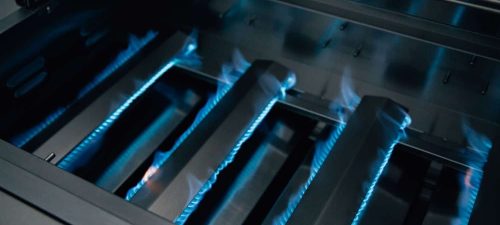 Burners
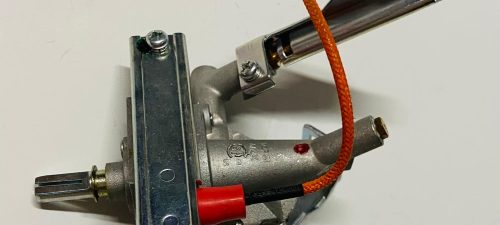 Valves
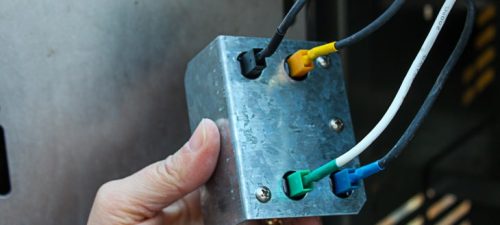 Ignition & Igniters
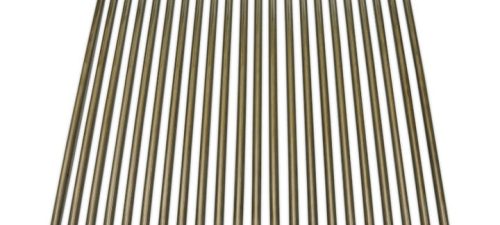 Grates
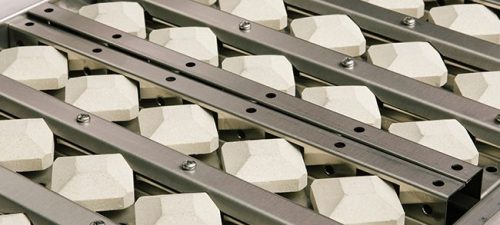 Briquette Trays
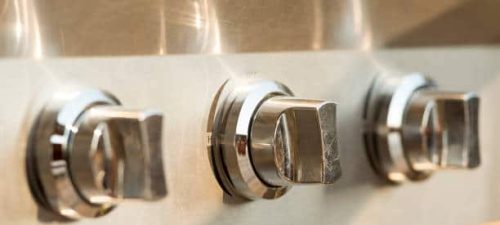 Knobs
Knobs BBQ Parts & More
Clean the briquettes—and everything around them.
If your ceramic briquettes are coated with years of grease, your grill has begun flaring up, or you are unsure whether the briquettes and trays need replacement, Pro Grill can deep clean the BBQ and evaluate the accessible cooking system while it is apart.