


BBQ Grill Grates: Cleaning, Care, Rust & Replacement
Your cooking grates are where food meets the grill. Grease, carbon, marinades, heat and weather can leave BBQ grates coated, sticky, rusty, flaking or difficult to cook on—but not every dirty or discolored grate needs replacement.
Pro Grill professionally deep cleans BBQ grills and evaluates the condition of accessible cooking components while we work. We clean grill grates as part of our service, identify deterioration that cleaning cannot correct, and can help customers determine when replacement grates make more sense.
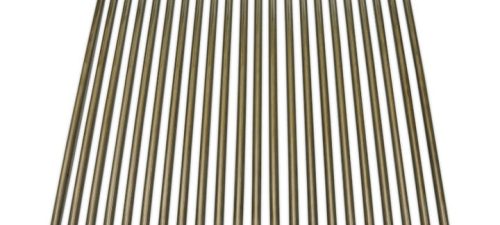
What happens to BBQ grates over time?
Cooking grates take repeated direct exposure to high temperatures, food acids, salt, grease and outdoor moisture. Their appearance can change dramatically without necessarily meaning they have failed. Other changes, however, can indicate that replacement should be considered.
Stainless steel, cast iron, porcelain-coated and cast stainless grates
The right cleaning and maintenance approach begins with identifying what the cooking surface is made from. Two grates can look similar while requiring different care.
Stainless steel grates
Stainless steel is common on premium outdoor grills because it is durable and relatively corrosion resistant. High heat can permanently darken or discolor stainless grates without making them unusable. Quality varies by alloy, diameter and construction.
Cast stainless steel grates
Cast stainless grates combine a substantial, heat-retaining shape with stainless material. They can be extremely durable but still accumulate heavy carbon and grease that benefits from periodic deep cleaning.
Cast iron grates
Cast iron retains heat well and can create excellent searing. It also needs protection from moisture and corrosion. Manufacturer-specific seasoning and maintenance are particularly important.
Porcelain-enameled grates
Porcelain enamel creates a protective cooking surface over metal, often cast iron. The coating should be treated carefully because aggressive scraping or impact can damage it. Once significantly chipped or deteriorated, replacement may become appropriate.
Napoleon, for example, distinguishes care for cast iron and stainless cooking grids and recommends seasoning cast iron to help protect against corrosion. See Napoleon's cooking-grid maintenance guidance.
How Pro Grill cleans BBQ grates
Cooking grates can collect far more than the residue visible on the top surface. Grease and carbon accumulate between bars and along the underside, where normal brushing often does not reach. During a professional deep cleaning, the grates are removed so we can address more of the cooking surface and access the components below them.
Our overall BBQ cleaning process uses professional methods designed to remove substantial grease and buildup throughout the grill. The exact approach to the cooking grates depends on their material and condition. We do not want to treat a coated cast-iron surface the same way we would treat a durable uncoated stainless component.
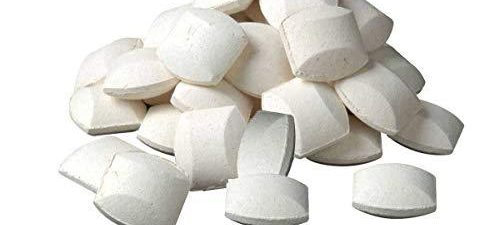
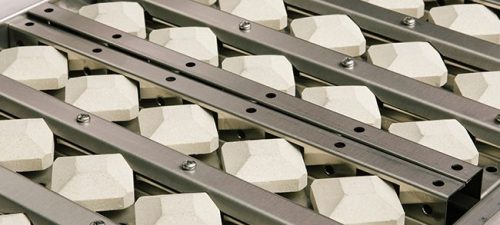
Removing the grates also exposes the heat-distribution system and burners underneath. That is valuable because a grill that appears to have a “grate problem” may actually have damaged BBQ burners, deteriorated ceramic briquettes, failing briquette trays or excessive grease below the cooking surface.
Our goal is not simply to make the top of the grill look better. A professional cleaning gives us an opportunity to clean deeper and get a clearer view of accessible internal components.
Want more than a quick scrape of the cooking grates?
Book a professional BBQ cleaning and let Pro Grill deep clean the grill while assessing accessible burners, briquettes, trays, ignition components and cooking grates.
How to clean BBQ grates yourself between professional services
Routine maintenance between deep cleanings can keep food residue from becoming a thick, baked-on layer. Always follow the owner's manual for your exact grill and grate material.
- Remove obvious food debris after cooking rather than allowing repeated layers to bake onto the surface.
- Use a cleaning tool appropriate for the grate material and manufacturer instructions.
- Inspect the grate after cleaning so loose debris or cleaning-tool fragments are not left on the cooking surface.
- For removable grates that the manufacturer permits you to wash, dry them thoroughly before returning them to the grill.
- Maintain cast iron according to the manufacturer's seasoning instructions to help limit corrosion.
- Do not assume every dark stain on stainless steel needs aggressive abrasion; high-temperature discoloration can be normal.
We also have a dedicated step-by-step article on how to clean BBQ grates. That article is intended for homeowners doing routine maintenance, while this page focuses more broadly on grate condition, professional cleaning and replacement.
The U.S. Consumer Product Safety Commission has specifically advised consumers to use alternatives such as nylon brushes or a ball of aluminum foil to reduce the possibility of loose wire strands ending up in food. Review CPSC grilling safety guidance.
How to care for stainless steel BBQ grates
Stainless steel cooking grates are common on high-end built-in grills and are often capable of many years of service. They can darken, turn bronze, develop blue or brown heat tint and become heavily coated with carbon while remaining structurally usable.
One of the biggest mistakes is assuming that a stainless grate must remain silver and shiny to be safe or functional. High-temperature cooking changes the appearance of stainless steel. Napoleon's current owner guidance, for example, states that stainless cooking grids permanently discolor from regular high-temperature grilling. That makes discoloration very different from structural failure.
What matters more is the grate's physical condition. Look for thinning, severe pitting, broken welds, cracked sections, sharp deterioration or dimensions that no longer allow the grate to sit securely in the grill.
Heavy carbon can hide the metal beneath it. A professional cleaning may reveal that an ugly-looking grate is still in good condition—or that corrosion and deterioration were concealed by years of buildup.
Rust does not always mean cast iron grates are finished
Cast iron behaves differently from stainless steel. Its cooking qualities come with a greater need to manage moisture and maintain the protective seasoned surface. Light surface corrosion may be recoverable, while deep scaling, cracking or severe material loss can make replacement more sensible.
For cast iron, cleaning and seasoning work together. Napoleon's manufacturer guidance recommends cleaning cast iron grids, removing surface corrosion, drying them completely and applying an appropriate high-temperature oil as part of re-seasoning. The exact procedure should always be matched to the grate manufacturer's instructions.
Do not confuse surface rust with a structurally destroyed grate. Conversely, do not keep using a deeply deteriorated grate merely because some rust can be brushed away. Cleaning gives you the opportunity to see what remains underneath.
Be careful with chipped or damaged porcelain enamel
Porcelain-coated grates are designed so the enamel protects the underlying metal and creates the cooking surface. They should not automatically be treated like bare cast iron or solid stainless steel.
Small changes in appearance do not necessarily mean the grate is ruined, but significant chipping, flaking or exposed deteriorating metal deserves attention. Once the coating has substantially failed, aggressive cleaning cannot restore the original factory enamel.
That is an important distinction between cleaning and replacement. Cleaning removes contamination. It does not recreate a missing porcelain coating, rebuild metal that has rusted away or repair a cracked grate.
Why food sticks to grill grates
Sticking is not always evidence of a defective cooking grate. The surface may be dirty, the grill may not be adequately preheated, the food may be moved before it naturally releases, or cast iron may need maintenance. New grates can also behave differently as their cooking surface develops through use.
Napoleon notes that food can stick more readily to newer stainless grids before a patina develops and advises allowing food to cook sufficiently before attempting to flip it. Weber similarly notes that sticking can decrease as new cooking grates are used and maintained. These are good examples of why cooking behavior alone should not be used to diagnose a failed grate. citeturn0search0turn0search6
If sticking is accompanied by heavy carbon, flaking material or severe corrosion, however, the grate deserves closer inspection and cleaning.
When BBQ grates are beyond cleaning
Professional cleaning can dramatically improve a heavily soiled cooking surface, but it cannot reverse every form of deterioration. Replacement should be considered when the underlying component is no longer in acceptable physical condition.
If rust has substantially eaten into the grate rather than sitting on the surface, cleaning cannot restore missing metal.
A fractured cooking grid can become unstable and should not be treated as a cosmetic cleaning issue.
Significant porcelain chipping or flaking cannot be restored by degreasing or scrubbing.
A grate that no longer sits securely in its intended supports may need the correct replacement.
Replacement grates should be matched carefully. Width and depth matter, but so do the number of grate sections, support points, shape, material and grill model. The safest approach is to identify the manufacturer and model rather than ordering solely by approximate dimensions.
Your grates are only the top layer of the cooking system
If your grill is cooking unevenly, producing excessive flare-ups or struggling to reach temperature, replacing the cooking grates may not solve the underlying problem. Below the grate is a system of parts responsible for producing and distributing heat.
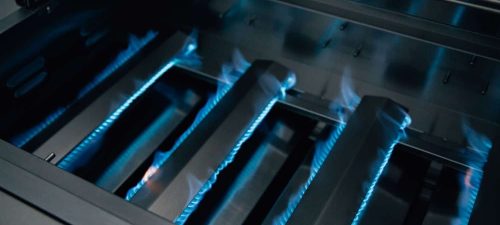
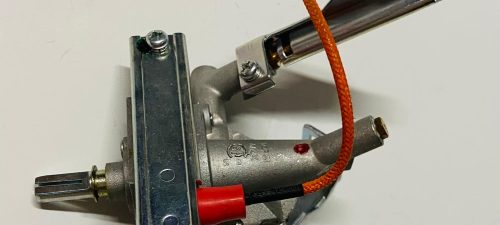
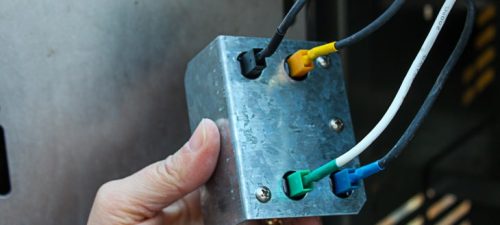
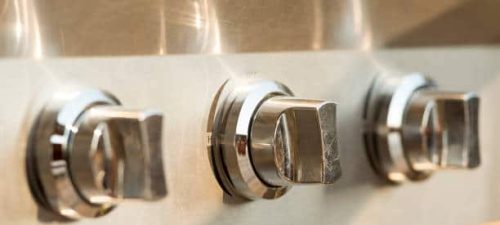
Burners generate the flame. Ceramic briquettes, heat shields or similar components distribute heat and manage drippings. Briquette trays support those materials. Control valves regulate gas flow, while the ignition system starts the burners.
This is one reason a deep cleaning can be valuable. Once the cooking grids and heat-distribution components are removed, the internal condition of the grill becomes much easier to evaluate.
If your main concern is weak heat rather than the physical grate, start with our article Why Is My Gas Grill Not Getting Hot Enough?.
Grate cleaning is part of maintaining the entire grill
Residue on the cooking surface is only one part of grill maintenance. Grease can accumulate below the grates, around heat-distribution components and in the grease-management system. CPSC advises regular cleaning according to the owner's manual and cleaning the grease trap to reduce the risk of flare-ups and grease fires. citeturn0search5
That is why simply burning off the top of the cooking grid should not be confused with deep cleaning the entire BBQ. Our professional grill cleaning service addresses the broader grill, while routine homeowner grate cleaning helps maintain the cooking surface between services.
For homeowners who want to do more of their own upkeep, see our DIY BBQ maintenance guide for additional maintenance ideas and guidance on when professional service makes sense.
Grate cleaning and replacement for many BBQ brands
Cooking-grid materials, dimensions and support designs vary by manufacturer. Pro Grill services many premium and popular outdoor grill brands, and we can help evaluate grates while servicing the rest of the BBQ.
Visit our BBQ brands page to explore more of the manufacturers we service. When replacement is required, the model number is particularly useful because grate sizes can vary even within one manufacturer's product line.
Don't replace a premium grill just because the grates are worn
Cooking grates are replaceable wear components on many BBQs. If the grill body, firebox, valves and other major components remain in good condition, replacing worn cooking grids can be far more practical than replacing the entire appliance.
This is particularly relevant with built-in outdoor kitchens. Replacing an entire grill can involve matching cutout dimensions, utility connections and the surrounding island. New grates, burners, briquette trays or ignition components may extend the useful life of an otherwise solid premium grill.
If several major components have deteriorated and replacement parts are unavailable, then a new grill may be worth considering. Pro Grill provides both BBQ repair services and BBQ replacement sales and installation, so customers can evaluate both options.
Not sure if your grates need cleaning or replacement?
Let us look at the grill as a whole. Many heavily soiled grates can be improved through professional cleaning, while damaged or deteriorated grates may be better replaced.
Frequently asked questions about grill grates
How do I clean BBQ grill grates?
The appropriate method depends on the grate material and manufacturer instructions. Routine maintenance generally involves removing food residue with an approved cleaning tool and keeping the surface dry and maintained. See our complete guide on how to clean BBQ grates for more detail.
Can rusty grill grates be saved?
Light surface corrosion on some materials, especially cast iron, may be manageable with proper cleaning and re-seasoning. Deep rust, severe pitting, cracking or substantial material loss can make replacement more appropriate.
Why are my stainless steel grill grates turning brown?
High-temperature discoloration is common on stainless steel and does not necessarily indicate failure. Structural condition is more important than maintaining a bright silver appearance.
Should cast iron grill grates be seasoned?
Many cast-iron cooking grids require seasoning to create and maintain a protective surface. Follow the grill manufacturer's instructions for the specific grate.
When should BBQ grates be replaced?
Replacement may be appropriate when grates have deep corrosion, broken sections, severe coating failure, significant warping or deterioration that cleaning cannot correct.
Can Pro Grill clean heavily coated grill grates?
Yes. Cooking grates are part of our professional BBQ deep-cleaning process, with the method adjusted according to the material and condition of the component.
Can you replace my grill grates?
When the correct replacement parts are available, Pro Grill can help identify worn components and assist with grill repair and replacement parts.
Are all stainless steel grates the same?
No. Construction, thickness, grade, shape, dimensions and quality can differ considerably between grill manufacturers and models.
Why does food stick to my grill grates?
Possible reasons include residue, insufficient preheating, cooking technique, the condition of the grate or maintenance needs. Sticking alone does not prove the grate needs replacement.
Can cleaning fix chipped porcelain grates?
No. Cleaning can remove grease and residue, but it cannot recreate missing porcelain enamel. Significant coating deterioration may call for replacement.
How can I make my grill grates last longer?
Keep them clean, use tools appropriate for their material, protect susceptible materials from corrosion, follow manufacturer seasoning instructions and address heavy buildup before it becomes severe.
BBQ parts, repair & maintenance guides
Your grill works as a system. Explore the components below to learn how they are cleaned, what can fail and when repair or replacement makes sense.
 Burners
 Valves
 Ignition & Igniters
 Briquettes
 Briquette Trays
 Knobs
Knobs BBQ Parts & More
Give your cooking surface—and the rest of your grill—a deeper clean.
Whether your BBQ grates are coated with years of buildup, showing signs of corrosion or simply due for professional maintenance, Pro Grill can deep clean the grill and help identify components that may need replacement.